In the world of cosmetics, stability in formulations is crucial. Industry expert Dr. Emily Carter emphasizes, “Stability is the foundation of any successful cosmetic product.” This statement resonates deeply among formulators striving to create effective products. Cosmetic formulations face numerous challenges, from ingredient interactions to environmental factors.
Understanding how to improve stability in cosmetic formulations is essential for product longevity and effectiveness. Formulators must consider factors like pH levels, temperature, and light exposure. These elements can drastically influence the product's shelf life and performance. Examining ingredient compatibility is vital. Some combinations may lead to separation or degradation, necessitating careful evaluation.
However, the pursuit of stability is filled with complexities. Not all formulations react predictably under varying conditions. For instance, natural ingredients often have a shorter shelf life than synthetic ones. Addressing stability not only ensures customer satisfaction but also reinforces brand credibility. Every detail counts, and even small changes can impact the final product.
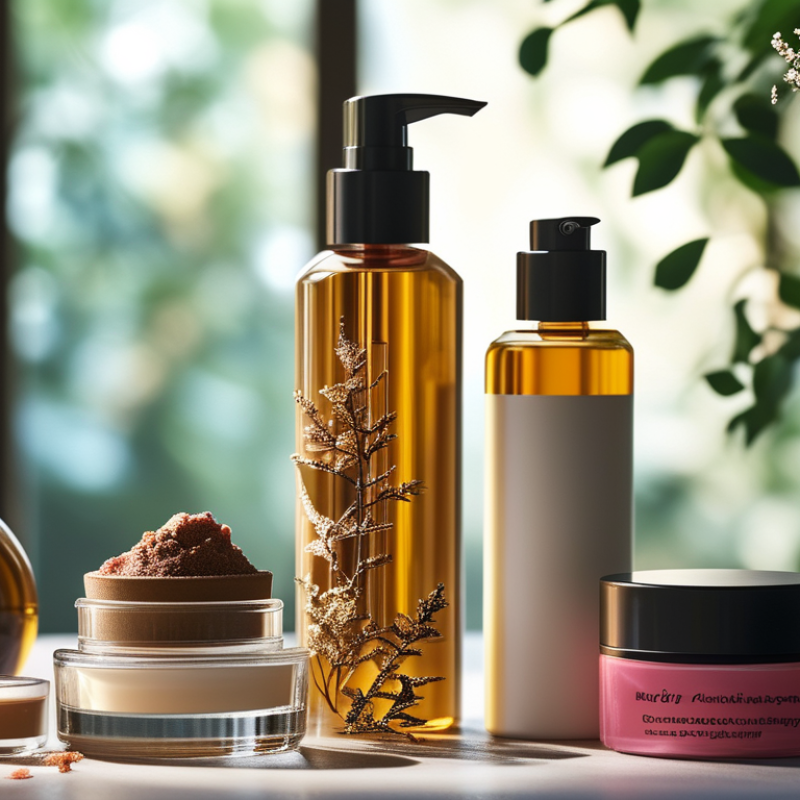
Cosmetic formulations often face stability issues that can compromise their effectiveness and safety. One common problem is phase separation. This occurs when the oil and water components of an emulsion do not mix properly. The result is an unattractive and less effective product. Users may notice a layer of liquid on top, which indicates instability.
Another prevalent issue is the degradation of active ingredients. Ingredients can lose their potency due to exposure to light, heat, or air. This degradation can lead to reduced efficacy and changes in texture or color. For example, antioxidants are particularly sensitive. They might oxidize quickly if not properly preserved.
Microbial contamination is an additional concern. If a formulation is not adequately preserved, bacteria can flourish. This can lead to product spoilage and increased risk of skin irritation. Users may find discrepancies in texture or smell. These factors highlight the complexity of formulating stable cosmetics. Each formulation presents unique challenges that require ongoing evaluation and adjustment. Understanding these issues can guide formulators in creating more stable and effective products.
| Instability Issue | Description | Common Causes | Prevention Method |
|---|---|---|---|
| Phase Separation | The separation of different formulation phases. | Incompatible ingredients, emulsifier failure. | Use appropriate emulsifiers and stabilize the formulation. |
| Color Changes | Alterations in the color of the cosmetic product. | Oxidation, exposure to light. | Incorporate antioxidants and use UV filters. |
| Sedimentation | Settling of solid particles in liquid formulations. | Poor dispersion of solids, high viscosity. | Ensure uniform dispersion and optimize viscosity. |
| Microbial Growth | Growth of unwanted microorganisms in formulations. | Insufficient preservatives and contamination. | Add effective preservatives and maintain hygiene during production. |
| Texture Changes | Alteration in the texture of the product, making it less appealing. | Temperature changes, ingredient interactions. | Control storage conditions and properly formulate for compatibility. |
: Phase separation occurs when oil and water components don't mix properly. This leads to an unstable product with a separated layer.
Active ingredients can degrade due to exposure to light, heat, or air. This results in reduced potency and changes in product quality.
Without proper preservation, bacteria can grow. This causes spoilage and may lead to skin irritation for users.
Emulsifiers and thickeners help create a balanced mixture. They enhance the stability of cosmetics, preventing separation.
Antioxidants reduce oxidative stress, extending shelf life. Proper levels can maintain product integrity longer, keeping it effective.
Natural preservatives can be less effective against microbial growth. Their varying stability raises questions about reliability in formulations.
Over 30% of cosmetics are discarded because of spoilage, highlighting the need for effective preservation methods in the industry.
New methods like encapsulation and using plant extracts show promise. They minimize risks, improving product longevity and stability.
Traditional preservatives can cause skin irritation and allergic reactions. Many companies still depend on outdated preservation practices.
Inconsistencies in natural preservatives necessitate ongoing research. A deeper understanding can lead to more reliable and effective solutions.
In addressing the question of how to improve stability in cosmetic formulations, it is essential to first identify common instability issues that plague these products, such as separation, changes in viscosity, and color alterations. Understanding the role of various ingredients is crucial, as specific substances can enhance stability and prolong shelf life. By selecting the right combination of active and inactive elements, formulators can create more resilient products.
Moreover, implementing effective testing methods is vital for assessing the stability of formulations throughout their intended shelf life. Advanced preservation techniques can further aid in extending longevity, ensuring that cosmetics remain effective and safe for consumers. By incorporating best practices and strategic approaches focused on stability from the inception of the formulation process, manufacturers can significantly enhance the overall quality and reliability of their cosmetic products.

 Spekciton Biology