Botanical ingredients bring recognizable stories to cosmetic formulas: calendula petals in an infused oil, green tea leaves in an antioxidant extract, or oat kernels in a calming cream. Their appeal is not only sensory. Consumers often connect plant-derived ingredients with familiar traditions, environmental concerns, and simpler-looking ingredient lists. This helps explain why are botanical ingredients popular in cosmetics, but popularity alone does not prove safety, performance, or responsible sourcing.
Sourcing requires more than choosing a plant with a compelling story. Buyers need to confirm its scientific identity, plant part, country of origin, harvest conditions, and extraction method. A rose extract made from petals may differ from one made using hips. Suppliers should provide traceable documentation, batch specifications, and appropriate testing for contaminants and consistency. These details help formulators assess whether an ingredient suits the intended product and remains dependable across production runs. Small details matter.
Dermatologist Dr. Hadley King has noted, “Natural ingredients are not necessarily better or safer than synthetic ingredients.” That caution belongs in any sourcing discussion. Botanical materials can vary with weather, soil, storage, and processing; “natural” is not a substitute for evidence. The sourcing story is rarely as tidy as a leaf on a label. Responsible decisions balance consumer interest with quality data, transparent supplier relationships, and realistic sustainability claims. Some supply chains still leave unanswered questions. A careful review can identify those gaps before an ingredient reaches a formula, while leaving room to reconsider choices as better information emerges.
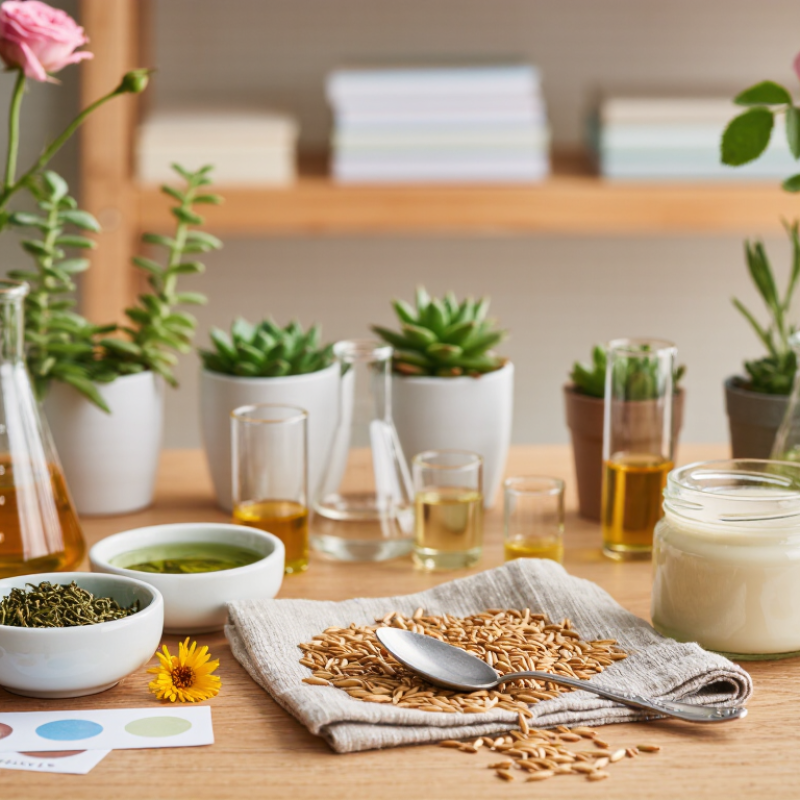
How to Source Botanical Ingredients for Cosmetics
Defining Botanical Ingredient Requirements for Cosmetic Formulations
Before requesting samples, define what the plant material must do in the finished formula. Specify the botanical’s accepted name, plant part, extraction method, and carrier. Names can mislead. A leaf extract and a root extract may behave differently, even when they share a common name. Set measurable targets for marker compounds, appearance, odor, and solubility, then note the intended use level. If the ingredient is meant for a water-based lotion, a strongly oil-soluble extract may create avoidable reformulation work.
Ask suppliers for batch-specific identity and quality records, including composition, microbiological results, and relevant contaminant testing. Confirm origin, harvest season, processing conditions, and traceability; these details help explain natural variation rather than erase it. Variation is real. Check stability in the actual formula, not only in a supplier’s sample: watch for color shift, sediment, odor change, and viscosity drift over time. Also review preservation needs, packaging compatibility, and sensory effects on skin. A tidy specification can still miss a practical issue, so leave room for pilot batches and revise criteria when evidence warrants it. That part is easy to overlook.
| Botanical ingredient | Plant part and typical form | Requirements to define | Formulation considerations | Useful supplier documentation and checks |
|---|---|---|---|---|
| Aloe (Aloe barbadensis) | Leaf inner gel; juice, concentrate, or dried powder | Confirm plant part, processing method, concentration or solids content, carrier ingredients, preservative system, and suitable microbiological limits. | Water-based aloe materials can introduce water and require compatible preservation. Check color, odor, pH, and solubility in the intended formula. | Specification and certificate of analysis; ingredient composition; microbiological results; preservative details; country of origin and processing information. |
| Green tea (Camellia sinensis) | Leaf; water-, glycerin-, or other solvent-based extract; sometimes powdered extract | Specify solvent, extract ratio or native extract content, carrier, appearance, odor, and any marker compounds required for the intended use. | Extract color may affect the finished product. Solubility and stability depend on the extraction solvent and formula conditions; assess compatibility and discoloration over time. | Botanical identity and plant-part statement; extraction and carrier details; marker assay if specified; contaminant and microbiological testing appropriate to the material. |
| Centella (Centella asiatica) | Aerial parts or leaves; liquid extract or dried extract | Define the plant part, extraction solvent, extract-to-plant ratio or equivalent concentration, carrier, and any required triterpenoid marker profile. | Different extracts can vary in color, odor, and water compatibility. Confirm the supplier’s recommended use level and assess stability in the finished formula. | Identity documentation; extraction details; certificate of analysis; marker data when relevant; microbiological and contaminant results based on risk assessment. |
| Calendula (Calendula officinalis) | Flower; oil macerate, liquid extract, or dried extract | State whether the material is an extract or an infused oil, identify the carrier or extraction solvent, and define appearance, odor, and relevant quality limits. | Oil macerates are oil-phase materials; water-based extracts may need preservation. Natural color and odor can vary between lots. | Full composition and carrier disclosure; plant-part and origin information; certificate of analysis; oxidation testing for oil-based materials where appropriate. |
| Rosemary (Salvia rosmarinus, syn. Rosmarinus officinalis) | Leaf; extract, infused oil, or essential oil | Clearly distinguish leaf extract from essential oil; define solvent or distillation method, carrier, composition, and any specified marker or profile. | Essential oil is concentrated and has different use and safety considerations from a leaf extract. Check odor impact, solubility, oxidation stability, and applicable restrictions. | Botanical identity and plant part; composition or chromatographic profile as applicable; allergen information where required; safety and regulatory documentation. |
| Jojoba (Simmondsia chinensis) | Seed; fixed liquid wax (commonly called jojoba oil) | Specify whether the material is refined or unrefined, its origin and processing, appearance, odor, and agreed identity and quality parameters. | Oil-phase ingredient with a wax-ester-rich composition. Check sensory characteristics, compatibility with the oil phase, and oxidation stability during storage. | Identity and fatty-acid or wax-ester profile if required; certificate of analysis; refining and processing details; contaminant testing appropriate to the supply chain. |
| Chamomile (Matricaria recutita or Chamaemelum nobile) | Flower heads; extract or essential oil | Specify the exact botanical species and material type; define plant part, extraction or distillation method, carrier, and desired chemical profile where relevant. | Different chamomile species and preparations are not interchangeable. Essential oils can have a strong odor and require assessment for intended use and applicable restrictions. | Species and plant-part confirmation; method of preparation; composition profile for essential oil; allergen and safety information; batch certificate of analysis. |
Specification note: These are example sourcing criteria, not universal acceptance limits. Set numerical limits, test methods, intended use levels, and applicable regulatory requirements for each exact material and finished product. Verify the current INCI name and labeling requirements for the target market.
Specify the accepted plant name, plant part, extraction method, and carrier. A leaf extract may behave differently from a root extract. Set measurable targets for appearance, odor, solubility, and marker compounds.
Match its solubility to the formula. For a water-based lotion, an oil-soluble extract may need extra reformulation. Test the intended use level in a pilot batch.
Request batch-specific identity, composition, microbiological results, and relevant contaminant tests. Include origin, harvest season, and processing details. Keep them together.
Rainfall, harvest timing, and drying conditions can affect color, aroma, and composition. Variation is real. Compare each lot with clear quality limits.
Check for color shifts, sediment, odor changes, and viscosity drift. Also review preservation needs, packaging compatibility, and skin feel over time. A sample alone can miss issues.
Record its accepted name, plant part, origin, harvest window, processing site, and lot code. Link the lot to invoices, transport records, and test results.
Request a recent lot file. Compare its dates and quantities, then trace one ingredient from harvest to receipt. Missing links deserve attention.
Not usually. Check its identity and compare its material with existing lots. A spreadsheet can look complete while field records remain thin.
Sourcing botanical ingredients for cosmetics begins with clearly defining what a formulation needs, including the ingredient’s intended function, acceptable quality range, and compatibility with other components. Once requirements are established, compare suitable plant sources and suppliers, considering the plant species, growing region, harvesting practices, and processing methods. Understanding why are botanical ingredients popular in cosmetics can help guide these choices: they offer a diverse range of properties and can support formulations designed around plant-derived components.
Quality and responsible sourcing should be verified with appropriate safety information, ingredient specifications, and documentation for the markets where a product will be sold. Evaluate consistency between batches and maintain records that connect each ingredient to its source and handling history. Clear agreements with qualified suppliers, ongoing quality checks, and plans for supply disruptions can help ensure that botanical ingredients remain dependable over time while supporting product safety and formulation goals.

 Spekciton Biology