Choosing ingredients for sensitive skin is less about chasing trendy actives and more about reducing avoidable stress. This guide introduces how to choose ingredients for sensitive skin formulations with practical, evidence-informed decisions. A reactive face may sting after cleansing, flush around the nose, or feel tight beneath makeup. These details matter. They reveal how the skin responds in real life.
Dr. Zoe Diana Draelos, a board-certified dermatologist and respected cosmetic science researcher, has described sensitive skin as “a subjective condition, defined by unpleasant sensations in response to stimuli that normally should not cause such sensations.” Her observation reminds formulators to consider user experience, not only laboratory performance. A beautiful cream can still fail if it burns during application.
The following tips examine gentle surfactants, limited fragrance, soothing ingredients, suitable preservatives, and carefully selected emulsifiers. Each choice should match the product’s purpose, exposure time, and target user. A rinse-off cleanser allows different decisions than a leave-on serum. Patch testing remains essential, even when an ingredient appears mild. Nothing is universally gentle.
Ingredient safety also depends on concentration, purity, manufacturing controls, and packaging. A short formula is not automatically better. Likewise, “natural” does not guarantee comfort; essential oils may trigger irritation for some users. These recommendations support informed development, but they cannot replace dermatological evaluation or controlled stability testing. Some assumptions may need revision as new evidence emerges. That is part of responsible formulation.
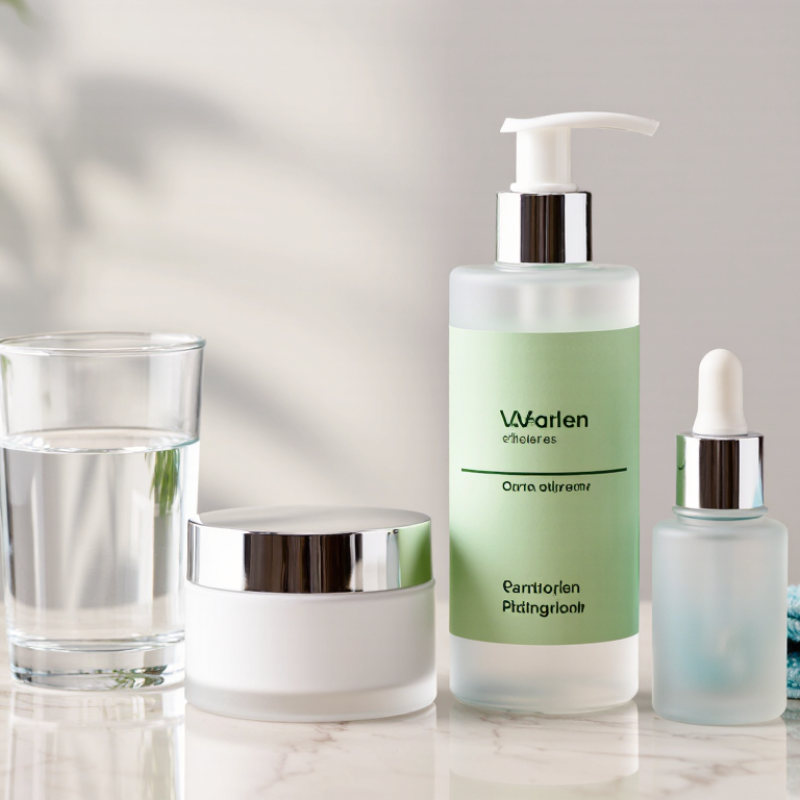
Sensitive skin is a reported experience, not always a diagnosed condition. DermNet states that up to 60% of women report sensitive skin. A peer-reviewed review in Frontiers in Medicine also found that estimates vary widely across countries and study methods. People may feel burning, stinging, itching, or tightness after using ordinary products. Redness may appear on the cheeks, around the nose, or near the eyes. This matters because “natural” does not automatically mean gentle. Fragrance, essential oils, strong exfoliating acids, and high alcohol content can challenge a weakened skin barrier.
Tip: Read the full ingredient list. Choose simple formulas with fewer potential irritants. Look for glycerin, petrolatum, ceramides, or panthenol. These ingredients can support hydration and barrier comfort. Avoid changing several products at once. Your skin needs a clear experiment. Patch-test a small area for several days, but remember that patch testing cannot predict every reaction. Stop when burning continues. Seek a dermatologist’s advice for swelling, persistent rash, or painful cracking.
Tip: Consider your personal history. Eczema, rosacea, allergies, climate, and over-cleansing can influence sensitivity. The American Academy of Dermatology recommends gentle cleansing and fragrance-free care for easily irritated skin. “Fragrance-free” is usually more useful than “unscented,” because unscented products may still contain masking ingredients. No routine is perfect. I have found that people often blame one ingredient too quickly, while water temperature, scrubbing, or frequent product changes may contribute. Record what you use and how your skin responds.
Top 10 Tips for Choosing Ingredients for Sensitive Skin
Sensitive skin needs more than a “clean” claim. Read the INCI label line by line. The FDA allows fragrance to appear as one term, “fragrance” or “parfum,” instead of listing every aromatic material. This protects certain formulation details, but it limits consumer visibility. The FDA also states that fragrance ingredients can trigger irritation or allergic reactions in some users. INCI names identify ingredients; they do not guarantee safety for every person. Small print matters.
Tip: Treat “fragrance-free” as a useful filter, not absolute proof. Look for essential oils, masking fragrance, and scented botanical extracts. They may still bother reactive skin. The American Contact Dermatitis Society’s patch-test surveillance consistently places fragrance allergens among frequent causes of allergic contact dermatitis. Exact risk varies by concentration, exposure time, and skin condition. My practical mistake was trusting a pleasant scent as evidence of gentleness. It is not.
Tip: Compare the full label, not just the front panel. Choose shorter formulas when your barrier feels tight, itchy, or visibly flaky. Ingredients such as glycerin, petrolatum, and ceramides are commonly used to support moisture retention. However, even familiar ingredients can cause individual reactions. Apply a small amount to the inner arm for several days, unless a dermatologist advises otherwise. Stop if burning, swelling, or persistent redness appears. A dermatologist can arrange patch testing when reactions keep returning. Always record the product, date, and symptoms. That simple diary can reveal patterns that memory misses.
Read INCI labels carefully: in the United States, FDA rules allow fragrance to appear as one collective ingredient term instead of listing every fragrance component.
This checklist groups ten practical, evidence-based label-reading tips. The chart shows how many tips belong to each category; it is a checklist count, not a consumer-prevalence survey.
Choosing ingredients for sensitive skin begins with reducing avoidable fragrance exposure. DermNet reports that fragrance allergy affects about 1–4% of adults. That figure makes “pleasantly scented” less harmless than it may seem. Fragrance can appear as parfum, perfume, aroma, or a named essential oil. Even botanical extracts may release allergenic scent compounds.
Read the full ingredient list, not just the front label. Products marked “unscented” can still contain masking fragrances. Check carefully. If burning, itching, or redness develops, stop using the product and record its ingredients. This small note can help a dermatologist identify patterns. A patch test, supervised by a qualified professional, can help confirm contact allergy. Home testing cannot replace medical assessment.
Introduce one new product at a time. Apply a small amount to a limited area for several days, unless a clinician advises otherwise. Do not test on broken skin. Cleanser, moisturizer, and sunscreen may each contain different potential irritants, so changing everything together creates confusion. I still find ingredient lists easy to misread, especially when several fragrance terms appear together. Sensitive skin care is not perfectly predictable. Heat, sweat, and a damaged skin barrier can also increase discomfort. If swelling, widespread rash, or breathing difficulty occurs, seek urgent medical care.
| No. | Ingredient Dimension | What to Look For | Why It Matters for Sensitive Skin | Practical Selection Tip |
|---|---|---|---|---|
| 1 | Fragrance and parfum | Choose products labelled “fragrance-free” and check the full ingredient list. | Fragrance ingredients can cause allergic contact dermatitis and may also irritate reactive skin. DermNet reports fragrance allergy in approximately 1–4% of adults. | Do not rely only on “unscented”; it may still contain masking fragrance ingredients. |
| 2 | Essential oils and botanical fragrance | Be cautious with citrus, lavender, tea tree, peppermint, eucalyptus, and other aromatic oils. | Natural origin does not guarantee low irritation or low allergy risk. Oxidized essential oils may be particularly sensitizing for some people. | Avoid leave-on fragranced botanicals when the skin barrier is damaged or when there is a history of contact allergy. |
| 3 | Alcohol type | Distinguish drying alcohols, such as ethanol or alcohol denat., from fatty alcohols such as cetyl alcohol and stearyl alcohol. | High levels of volatile alcohol can sting or increase dryness, while fatty alcohols are generally used as emollients and texture agents. | If skin is dry or burning, select alcohol-free or low-alcohol formulas and patch test first. |
| 4 | Preservatives | Review preservatives such as methylisothiazolinone, methylchloroisothiazolinone, formaldehyde-releasing agents, and parabens. | Preservatives are necessary to control microbial growth, but some can cause allergic contact dermatitis in susceptible individuals. | Do not remove preservatives automatically; instead, avoid a confirmed allergen and follow medical patch-test guidance. |
| 5 | Gentle cleansing agents | Prefer mild, low-irritation cleansers and avoid harsh scrubbing or frequent washing. | Surfactants can remove protective skin lipids and increase dryness, tightness, or stinging when overused. | Use lukewarm water, cleanse briefly, and choose a non-abrasive formula designed for dry or sensitive skin. |
| 6 | Barrier-supporting moisturizers | Look for petrolatum, glycerin, dimethicone, ceramides, or other well-tolerated emollient and humectant ingredients. | Humectants attract water, while occlusives and emollients help reduce water loss and support a weakened skin barrier. | Apply moisturizer soon after bathing and select a simple formula with fewer potential irritants. |
| 7 | Active exfoliating ingredients | Use caution with alpha hydroxy acids, beta hydroxy acids, retinoids, and high-strength exfoliating products. | These ingredients may cause temporary stinging, peeling, dryness, or increased sensitivity, especially when the barrier is compromised. | Introduce one active ingredient at a time, use it infrequently, and stop if persistent burning or dermatitis develops. |
| 8 | Colorants and unnecessary additives | Choose products with a short, clearly listed ingredient profile when possible. | Fewer ingredients can make it easier to identify a trigger, although any ingredient may cause a reaction in an individual. | When testing a new product, avoid introducing several new formulas at the same time. |
| 9 | pH and formulation format | Choose products formulated for the face or body area being treated and avoid very alkaline soaps for dry, reactive skin. | Harsh cleansers and unsuitable formulations can increase dryness and disrupt the skin barrier. | Prefer cream, lotion, ointment, or balm textures when skin is dry; select lighter textures if heavy occlusion causes discomfort. |
| 10 | Patch testing and individual tolerance | Test a small amount on a limited area before applying a new product broadly. | Patch testing can reveal irritation or allergy before widespread use, but a home test cannot replace professional diagnostic patch testing. | Stop using a product if swelling, hives, blistering, or persistent rash occurs, and seek medical advice when symptoms are significant. |
Sensitive skin needs barrier-minded choices, not an impressive list of active ingredients. Ceramides form about 50% of stratum corneum lipids, according to Madison’s 2003 review in the American Journal of Clinical Dermatology. They sit between skin cells, helping reduce water loss and block irritants. Think of them as flexible mortar between tiny bricks. When this structure weakens, tightness, stinging, and flaking may appear.
Tip: Look for ceramides alongside cholesterol and fatty acids. These lipids naturally work together within the barrier. The National Eczema Association recommends fragrance-free products for eczema-prone skin, because fragrance can trigger irritation in some users. Choose short ingredient lists. Avoid adding several new products at once. Patch-test on a small area for several days. It is slower, but clearer.
A gentle cleanser should rinse without leaving skin squeaky. That squeaky feeling may signal excessive oil removal. Dermatology reviews also connect harsh surfactants, frequent exfoliation, and very hot water with barrier disruption. Still, ceramides are not magic. Formulation quality, concentration, and personal tolerance matter. A product can sound gentle and still sting. I have found that keeping a simple routine makes reactions easier to trace, though this approach is not perfect. Persistent redness or burning deserves professional assessment, especially when symptoms continue despite basic barrier care.
Sensitive skin needs evidence, not guesswork. The National Eczema Association estimates that eczema affects about 31.6 million people in the United States. That figure shows why ingredient selection deserves care. Choose fragrance-free formulas, because “unscented” may still contain masking fragrances. Avoid adding several new products at once. Otherwise, identifying the problem becomes nearly impossible.
Patch-test first. The American Academy of Dermatology recommends applying a small amount to a quarter-sized area twice daily for seven to ten days. Try the inner forearm or elbow crease. Keep the area dry and avoid rubbing it. Watch for redness, itching, swelling, burning, or small bumps. Stop immediately if symptoms appear. Do not test on broken skin. Seven days can feel excessive, but sensitive skin often reacts slowly. I once tested for only two days and regretted my impatience.
Select one unfamiliar ingredient at a time, especially acids, retinoids, exfoliating enzymes, and botanical extracts. Keep the rest of your routine familiar. Record the product name, application time, and skin response. A simple phone note works. If irritation continues after stopping, seek advice from a qualified dermatologist. Patch testing reduces uncertainty, but it cannot guarantee complete safety. That limitation matters.
Fragrance allergy affects about 1–4% of adults. Fragrance may appear as parfum, perfume, aroma, or essential oil. Botanical extracts can also release irritating scent compounds. Pleasant smells are not always harmless.
No. “Unscented” products may contain masking fragrances. Read the complete ingredient list instead of trusting the front label. Check carefully.
Stop using it and record the ingredients. Note the application time and symptoms. Burning, itching, and redness may indicate irritation or allergy. Persistent symptoms need professional assessment.
Apply a small amount to a quarter-sized area twice daily. Use the inner forearm or elbow crease for seven to ten days. Keep the area dry and avoid rubbing it. Never test broken skin.
Stop immediately if redness, itching, swelling, burning, or small bumps appear. Do not continue just to complete the testing period. Seek urgent medical care for breathing difficulty or widespread swelling.
It makes reactions easier to trace. Changing cleanser, moisturizer, and sunscreen together creates confusion. Keep familiar products unchanged when testing something new. Two days may feel enough, but reactions can appear slowly.
Ceramides form about 50% of the outer skin layer’s lipids. They help reduce water loss and block irritants. Look for ceramides alongside cholesterol and fatty acids. They are helpful, not magical.
It should rinse clean without leaving a squeaky feeling. Squeaky skin may reflect excessive oil removal. Very hot water, harsh surfactants, and frequent exfoliation can weaken the barrier. I still sometimes misread ingredient lists.
Yes. Formulation quality, concentration, and personal tolerance all matter. Heat, sweat, and a damaged barrier can increase discomfort. A short routine is often clearer, though not perfect.
Seek professional advice when burning or redness continues after stopping a product. A supervised patch test may help identify contact allergy. Home testing cannot replace medical assessment. Get urgent care for breathing difficulty or widespread swelling.
Choosing products for sensitive skin begins with recognizing that sensitivity is common, with up to 60% of women reporting related concerns. To understand how to choose ingredients for sensitive skin formulations, start by reading INCI labels carefully. Ingredients should be evaluated individually, especially because fragrance may be listed under one general term, making it harder to identify specific scent components. It is also wise to limit potential irritants, since fragrance allergy affects approximately 1–4% of adults.
A healthy skin barrier can improve tolerance, so consider gentle formulas that support its natural structure. Ceramides are especially relevant because they make up about half of the lipids in the outermost skin layer. However, even well-selected ingredients may not suit everyone. Before applying a new product broadly, perform a small-area patch test and observe the skin for 7–10 days, following dermatological guidance. This gradual approach helps reduce surprises and supports more informed ingredient choices.

Spekciton Biology