Fermentation ingredients are reshaping personal care, from facial serums to scalp treatments. But the process is more than a fashionable label. Microorganisms can transform sugars, grains, botanical extracts, or proteins into smaller compounds. These materials may improve hydration, skin feel, antioxidant support, or formula performance.
So, how are fermentation ingredients used in personal care? Formulators commonly use them as humectants, soothing agents, brightening supports, exfoliating components, and barrier-focused ingredients. They may also help create lightweight textures and distinctive product experiences. A fermented rice filtrate can feel silky in an essence, while a fermented sugar ingredient may attract moisture on dry skin. These details matter during real formulation work.
Reliable evaluation requires more than attractive ingredient stories. Professionals review INCI names, supplier testing, production controls, stability data, and available clinical evidence. They also consider preservation, microbial safety, allergen declarations, pH, and compatibility with other ingredients. A fermented extract is not automatically safer or more effective. Marketing sometimes moves faster than research. The category itself is not perfectly defined.
This guide examines ten practical uses across skincare, haircare, and body care. Each example considers the intended benefit, formulation role, and evidence limitations. Patch testing remains sensible, especially for sensitive skin. Results can vary. That is important. The strongest products usually combine fermentation ingredients with careful dosage, transparent documentation, and realistic claims. Fermentation can offer genuine value, but thoughtful formulation still decides whether that value reaches the user.
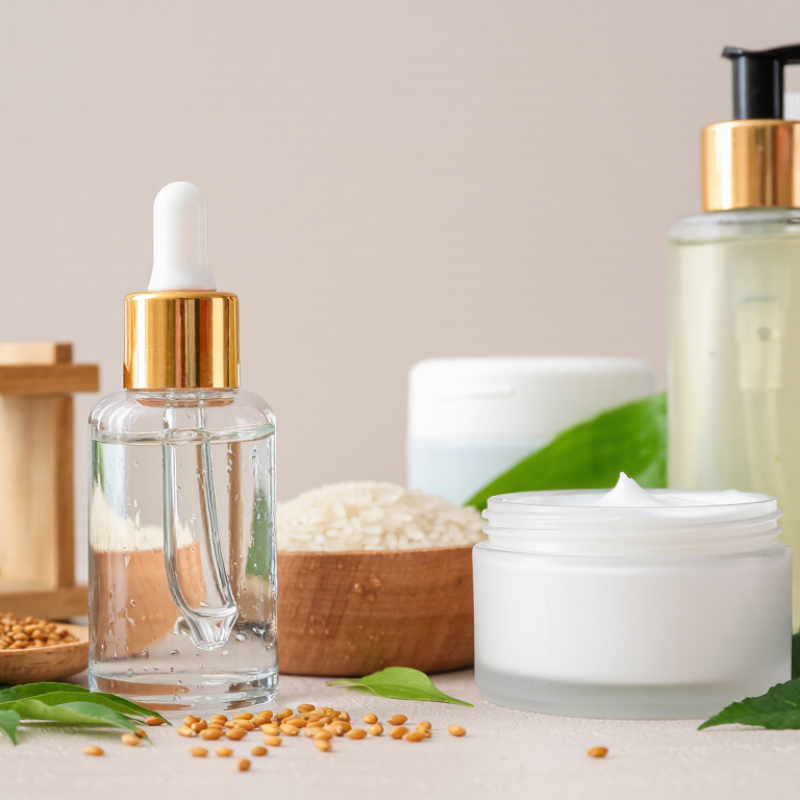
What Fermentation Ingredients Are and How They Work in Personal Care
Fermentation ingredients are materials transformed by microorganisms such as yeast or bacteria. During this process, microbes break down sugars, proteins, or plant extracts into smaller compounds. These may include organic acids, enzymes, amino acids, peptides, and antioxidant molecules. The final ingredient can appear as a filtrate, lysate, powder, or fermented extract.
In personal care, these ingredients can support several practical uses. They may improve skin hydration by helping attract and retain water. Some fermented extracts support the skin barrier, making dry skin feel smoother. Fermented acids can provide gentle exfoliation, while enzymes may help loosen surface buildup. Certain compounds also help condition hair, reduce roughness, and improve combability. Formulators may use them in cleansers, toners, serums, creams, masks, and scalp products. Small molecules often spread easily across the skin.
But fermentation does not guarantee better performance. It depends on the microorganism, raw material, processing time, and purification method. The final formula matters just as much. A well-fermented ingredient can still irritate sensitive skin when combined with strong acids or fragrance. Preservation also requires careful testing, because botanical nutrients may support unwanted microbial growth. I would assess the ingredient’s specification, clinical evidence, stability data, and recommended use level before making a claim. The science is promising, but not flawless. Patch testing remains sensible, especially when introducing several new products.
How Fermented Ingredients Support Skin Hydration and Barrier Function
Top 10 Ways Fermentation Ingredients Are Used in Personal Care
Fermentation is reshaping how formulators approach skin hydration. Microbial processing can break complex botanical materials into smaller compounds, including amino acids, organic acids, and polysaccharides. These ingredients may attract water and support a softer skin surface. The effect depends on the raw material, strain, and processing conditions.
According to Grand View Research, the global skincare market reached approximately USD 155.7 billion in 2022. Hydration remains a major consumer concern within this expanding category.
Fermented extracts are used in toners, essences, creams, masks, and cleansing products. Some formulas pair them with humectants such as glycerin or sodium hyaluronate. The goal is practical: reduce tightness after cleansing and improve moisture retention.
Barrier support requires more than temporary moisture. A 2023 review in Cosmetics noted that fermented materials can provide bioactive compounds with antioxidant and soothing potential. These compounds may complement ceramides, fatty acids, and cholesterol, which help reinforce the stratum corneum.
Still, “fermented” is not automatically better. Small clinical studies, inconsistent extract standards, and limited long-term evidence remain concerns. Product performance should be tested through instrumental hydration measurements and controlled user trials. Patch testing also matters, especially for sensitive skin. I have seen attractive ingredient stories outpace the evidence. Careful formulation remains more important than the label.
Ten Common Personal Care Uses for Fermented Ingredients
Fermented ingredients appear in ten common personal care applications. In cleansers, they can support a softer after-feel. Toners may use them to refresh skin without excessive tightness. Serums often feature fermented extracts for lightweight hydration and antioxidant support. Moisturizers can combine them with humectants, helping skin retain water. Facial masks use concentrated formulas for a temporary, comfortable glow.
Exfoliating products may include fermentation-derived acids, but their strength requires careful testing. In shampoos, fermented ingredients can improve conditioning and reduce a rough, dry sensation. Hair conditioners use them to support smoother strands and easier combing. Scalp treatments may include gentle fermented extracts for a balanced-feeling routine. Deodorant formulas sometimes use fermentation-derived materials to help manage unwanted odor. Body lotions also benefit from their skin-conditioning properties.
Formulation experience matters here. Fermentation can change an ingredient’s scent, color, stability, and skin feel. Results vary between batches. They do. A claim should match testing, not marketing enthusiasm. Preservative systems still need proper challenge testing. Users with sensitive skin should patch test new products and stop if irritation appears. I would also question any formula promising dramatic changes from one fermented ingredient alone. Good products depend on the full formula, processing conditions, packaging, and regular quality checks.
How Fermentation Enhances Ingredient Performance and Product Stability
Fermentation can improve how personal care ingredients perform and remain stable. Microorganisms transform sugars, proteins, and plant materials into smaller compounds. That change matters.
Smaller peptides and amino acids may spread more easily across skin or hair. Fermented polysaccharides can add a smoother, hydrated feel to creams and masks. Organic acids may help adjust formula pH, while certain metabolites can support antioxidant performance. These ingredients appear in cleansers, shampoos, scalp treatments, serums, moisturizers, and deodorant formulas. Some also help reduce a heavy botanical odor. Results vary.
The microorganism matters.
Strain selection, substrate, oxygen exposure, temperature, and fermentation time can change the final ingredient. In formulation work, I would compare the raw extract with its fermented version under identical conditions. Testing should include pH checks, viscosity readings, freeze-thaw cycles, heat exposure, and microbial challenge testing. A clear formula can still become unstable after several weeks.
Fermentation does not replace preservatives or good packaging. Some fermented materials may introduce sugars, proteins, or nutrients that encourage microbial growth if protection is weak. Color and scent can also shift during storage. This is easy to overlook. Ingredient suppliers should provide composition data, processing details, and safety documentation. Formulators should confirm compatibility through repeated testing, not rely on a promising laboratory result. The evidence is encouraging, but it is not universal. A fermented ingredient can improve a formula, or complicate it.
Safety, Formulation, and Selection Considerations for Fermented Ingredients
Top 10 Ways Fermentation Ingredients Are Used in Personal Care
Fermented ingredients can support ten practical claims: hydration, soothing, antioxidant care, barrier support, gentle exfoliation, scalp comfort, cleansing, texture improvement, odor control, and preservation support. However, fermentation does not automatically make an ingredient safe. A fermented label is not a safety certificate. Manufacturers should verify microbial purity, heavy metals, allergens, residual substrates, pH, and preservative compatibility.
Formulators should run stability and challenge testing in the finished product. They should also check viscosity, color drift, odor changes, and packaging interaction. A serum may look clear on day one, then develop sediment after heat exposure. That detail matters. ISO 22716 supports controlled cosmetic manufacturing, but it does not replace ingredient-specific toxicological assessment. Selection should consider the microorganism, fermentation medium, filtration method, declared INCI name, batch consistency, and traceability. I would not treat every postbiotic as interchangeable.
Market pressure is increasing. The BoF and McKinsey 2023 beauty report projected the global beauty market could reach about 580 billion US dollars by 2027, with skincare representing roughly 40 percent of sales. This scale encourages fast innovation, yet speed can weaken documentation. Suppliers should provide specifications, contaminant limits, allergen statements, and reliable efficacy data. Claims should match the evidence, not the trend. Small pilot batches, realistic use levels, and repeat testing often reveal problems that marketing language misses.
FAQS
Fermentation can create smaller amino acids, organic acids, and polysaccharides. These compounds may attract water and soften the skin surface. Results vary.
They may provide soothing and antioxidant compounds that complement ceramides, fatty acids, and cholesterol. Barrier support needs more than temporary moisture. The whole formula matters.
They appear in cleansers, toners, serums, creams, masks, shampoos, conditioners, and body lotions. Each product uses them differently. A cleanser may improve after-feel, while a cream may support moisture retention.
No. Formulas may still need glycerin, sodium hyaluronate, preservatives, and protective packaging. Fermentation does not remove basic formulation requirements.
They may create a smoother feel or reduce a heavy botanical odor. Fermentation can also change color, scent, viscosity, and stability. Not always positively.
Fermentation-derived acids can be useful, but their strength requires careful testing. Sensitive users should patch test new products. Stop if burning or irritation appears.
They should check pH, viscosity, microbial protection, and compatibility. Freeze-thaw and heat tests can reveal later instability. A clear formula can still change after weeks.
No. Benefits depend on the raw material, microorganism, temperature, oxygen, and processing time. I would question dramatic claims based on one ingredient alone. The evidence remains incomplete.
Conclusion
Fermentation ingredients are produced when microorganisms transform natural raw materials into bioactive compounds such as organic acids, peptides, enzymes, amino acids, and polysaccharides. In personal care, these ingredients can help improve skin hydration, support the skin barrier, soothe visible irritation, and enhance the delivery or usability of other formula components. Fermentation may also make certain ingredients more compatible with skin by breaking them into smaller, easier-to-use molecules.
So, how are fermentation ingredients used in personal care? Common applications include moisturizers, barrier-support creams, soothing serums, brightening formulas, exfoliating products, scalp and hair treatments, cleansing products, anti-aging care, after-sun products, and sensitive-skin formulations. Fermentation can increase ingredient performance, improve texture, reduce unwanted odors, and contribute to product stability when properly controlled. However, formulators should evaluate source quality, purity, preservation, compatibility, pH, concentration, and possible sensitivities. Careful testing and appropriate selection are essential for creating safe, effective, and stable personal care products.

 Spekciton Biology