Chengdu Spekciton Biology Co., Ltd. is a professional China cosmetic ingredients manufacturer specializing in the research, development, production, and supply of high-quality personal care raw materials for skincare, haircare, and beauty applications. With a steadfast commitment to innovation, quality, and sustainability, our enterprise delivers comprehensive, clinically backed ingredient solutions to cosmetic brands, research formulators, and large-scale manufacturers worldwide.
Backed by advanced biochemical research capabilities and state-of-the-art modern production facilities, Chengdu Spekciton Biology offers a highly diversified portfolio of active cosmetic ingredients. Our specialized range encompasses key skin-barrier lipids like CE Certified Ceramides, active peptides, high-purity botanical extracts, complex moisturizing agents, biological anti-aging compounds, fermentation-derived ingredients, and functional preservatives.
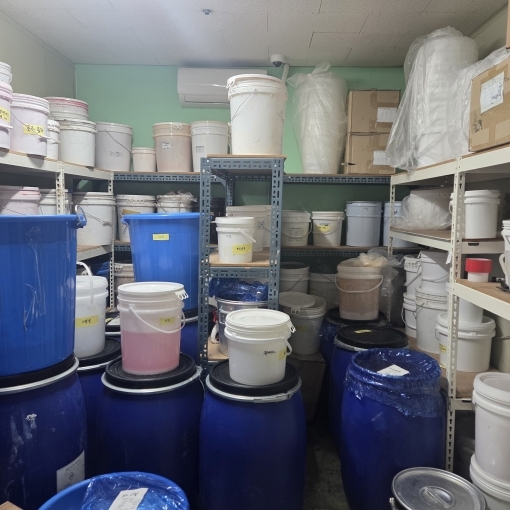
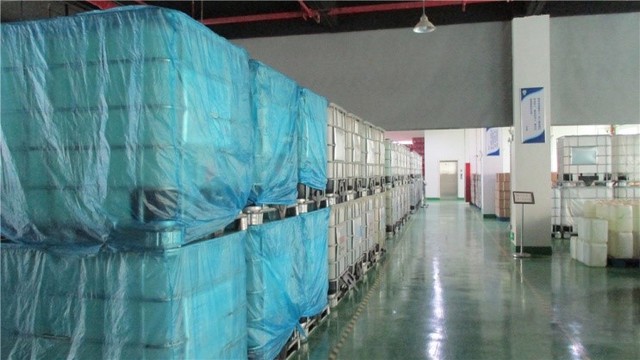
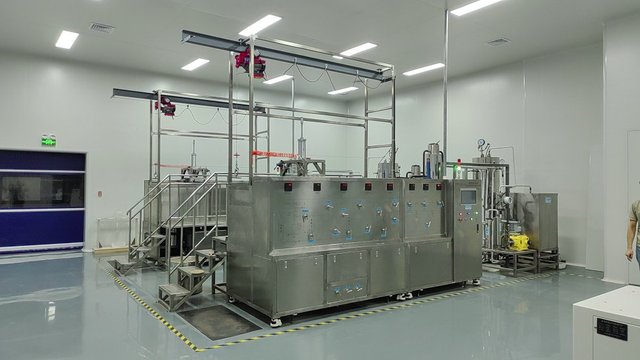
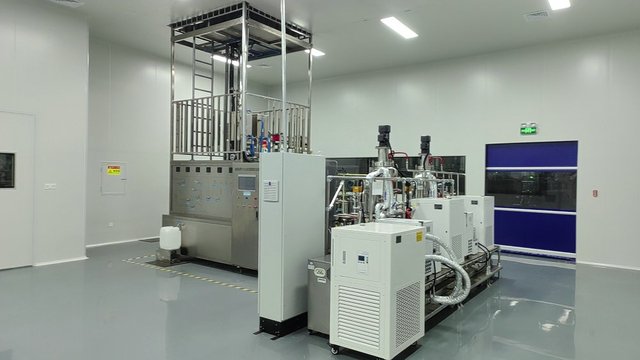
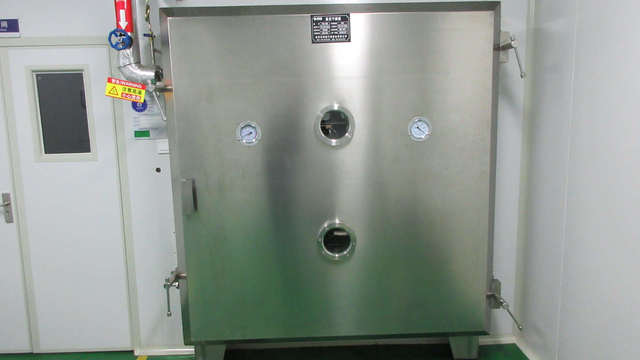
Our GMP-compliant manufacturing facility in Chengdu employs state-of-the-art fractionation, distillation, and biological fermentation processes. This ensures that every batch of Ceramide NP, AP, and EOP is synthesized to strict cosmetic and pharmaceutical grade tolerances.

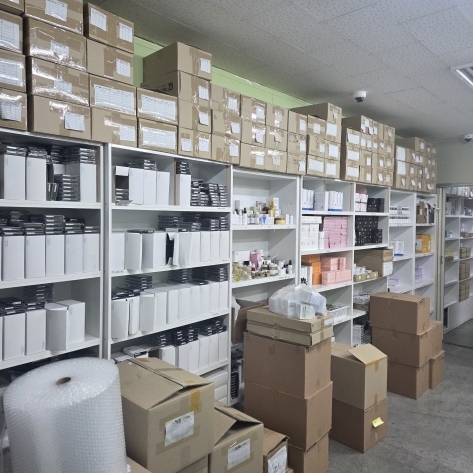

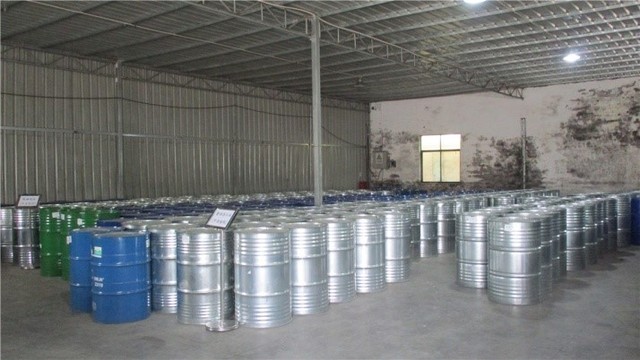
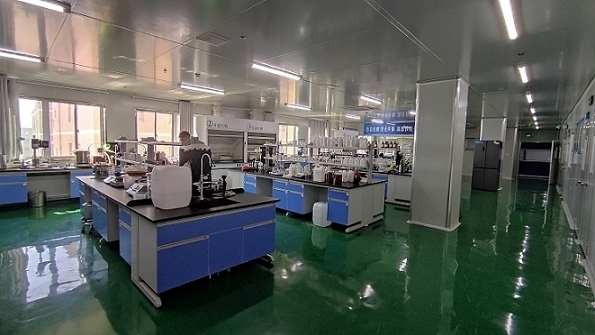

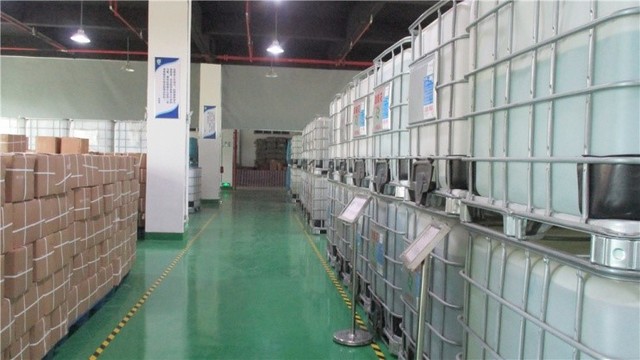
Ceramides are intercellular lipids that fill the gaps between the cells of the skin's outer layer (stratum corneum). Together with cholesterol and free fatty acids, they form a structured lipid bilayer matrix that regulates trans-epidermal water loss (TEWL) and prevents pathogen infiltration. As a premium manufacturer, Chengdu Spekciton Biology employs biological fermentation technologies to produce bio-identical structures identical to natural skin lipids.
Featuring a phytosphingosine base combined with a non-hydroxy fatty acid, Ceramide NP is the cornerstone of skin barrier defense. It improves hydration retention and strengthens the epidermis against external stressors.
Compounded with alpha-hydroxy fatty acids, Ceramide AP aids in desquamation. It normalizes natural skin renewal processes, offering smoothing properties helpful for dry and hyperkeratinized skin types.
The foundational lipid molecule of sphingolipids, showing natural antimicrobial and anti-inflammatory properties. Phytosphingosine acts as a natural signaling molecule to soothe irritation and balance the skin microbiome.
Operating from Chengdu, Sichuan—one of China’s leading biotechnology clusters—provides Chengdu Spekciton Biology with structural advantages that support global formulations brands:
Our raw materials are sourced from highly integrated regional chemical and agricultural networks. This localized supply chain minimizes transportation bottlenecks, stabilizes raw material costs, and shields global procurement partners from price spikes.
Utilizing high-yield, bio-fermented yeast cultures (*Pichia ciferrii*), our facility achieves excellent conversion efficiency for sphingoid bases. This bio-catalytic method reduces energy usage and maintains consistent purity levels across commercial production runs.
Unlike standard industrial suppliers, Spekciton's production lines conform directly to the stringent requirements of the European Union. Our CE Certification for Cosmetic Raw Materials signifies adherence to strict consumer safety regulations, heavy metal limits, and chemical safety guidelines.
Our processes focus on green chemistry principles. The fermentation process uses sustainable botanical carbon sources instead of petrochemical derivatives, providing brands with clean-label options that appeal to environmentally conscious consumers.
Ceramides are not a one-size-fits-all solution; their performance depends heavily on the medium and synergistic lipids in the formulation. Spekciton provides customized lipid blends optimized for different product types:
Challenge: Severely compromised barriers (atopic dermatitis, eczema, post-laser skin) require precise lipid ratios to recover.
Solution: We supply a bio-mimetic lipid premix containing Ceramide NP, Cholesterol, and Free Fatty Acids in a patented 3:1:1 ratio. This ratio mimics the natural structure of healthy skin lipids, accelerating recovery and reducing irritation.
Challenge: Aging skin produces fewer ceramides, resulting in fine lines, dryness, and reduced elasticity.
Solution: Combination of Ceramide AP and Ceramide NP with GHK-Cu Copper Peptides. This combination supports cellular repair while reinforcing surface hydration, reducing the appearance of deep wrinkles.
Challenge: Hair fiber damage from chemical treatments and heat styling, along with dry scalp conditions.
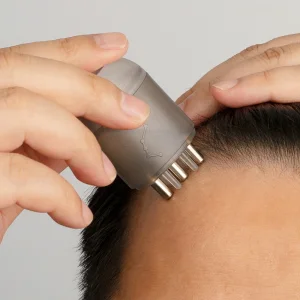
Solution: Water-soluble Ceramide micro-emulsions that penetrate the hair cortex and flat lock down the cuticles. This treatment helps rebuild hair structure, reduce breakage, and soothe dry scalp issues.
Challenge: Formulating anhydrous balms or stick products without compromising texture or stability.
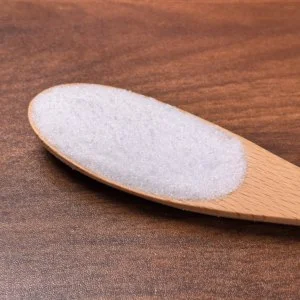
Solution: Micronized Ceramide NP powder with high compatibility in natural vegetable oils, providing smooth texture and targeted stability in waterless skincare systems.
The global cosmetic active ingredients market is undergoing a structural transition. Consumer awareness of skin barrier health has made ceramides a standard component in modern formulations.
Animal-derived and synthetic options are being phased out in favor of biotechnology. Natural yeast fermentation yields skin-identical lipids with high biocompatibility and excellent safety profiles.
Raw ceramides have high melting points and can recrystallize in formulas. Advanced encapsulation methods—such as liposomes, nano-emulsions, and solid lipid nanoparticles—are key to improving bioavailability.
Modern products are moving away from single-ingredient stories. Formulators combine ceramides with active peptides, prebiotics, and natural moisturizing factors to target multiple skin layers simultaneously.
Explore detailed technical insights on incorporating bioactive ceramides into personal care formulations.

 Spekciton Biology