High-purity raw formulations, active ingredients, and industrial manufacturing components for B2B procurement
The global acne and blemish care segment represents one of the largest growth areas in clinical skincare. Modern formulations are pivoting away from purely harsh, barrier-stripping solutions toward sophisticated multi-pathway methodologies. Brands must address hyperkeratinization, excess sebum production, microbial colonization (primarily Cutibacterium acnes), and follicular inflammation simultaneously, all while preserving the integrity of the stratum corneum.
Achieving this therapeutic balance requires industrial-grade sourcing of highly pure active ingredients. As global regulatory frameworks tighten—specifically in the European Union (under ECHA updates) and North America (with MoCRA enforcement)—cosmetic chemists, brand buyers, and product development managers must vet their ingredients based on rigorous chemical assay criteria, manufacturing stability, and environmental sustainability.
Understanding the synthesis pathways, botanical extraction configurations, and biological carriers is no longer optional. The modern supply chain requires deep alignment between brand formulators and raw material factories to bypass stability challenges and achieve optimal transdermal delivery.
Identifying the optimal raw material requires assessing solubility, primary biochemical mechanisms, formulation pH ranges, and target compound compatibility. Below is the technical breakdown of the 10 most critical ingredients driving high-efficacy blemish-control formulations today:
| Active Ingredient | Target Mechanism | Solubility Profile | Recommended pH | Regulatory Limits (US/EU) |
|---|---|---|---|---|
| Salicylic Acid | Follicular Keratolysis | Oil / Glycols | 3.0 - 4.0 | Max 2.0% (OTC) |
| Niacinamide | Sebum Reduction & Barrier | Water | 5.5 - 6.5 | Up to 10% Allowed |
| Azelaic Acid | Antibacterial & PIH | Sparingly Soluble | 4.5 - 5.5 | OTC >10% RX in US |
| Ectoin | Osmoprotection / Repair | Water | 1.0 - 9.0 | No Limit (Safe) |
| Zinc PCA | DHT/Sebum Suppression | Water | 4.0 - 6.0 | Max 1.0% (EU) |
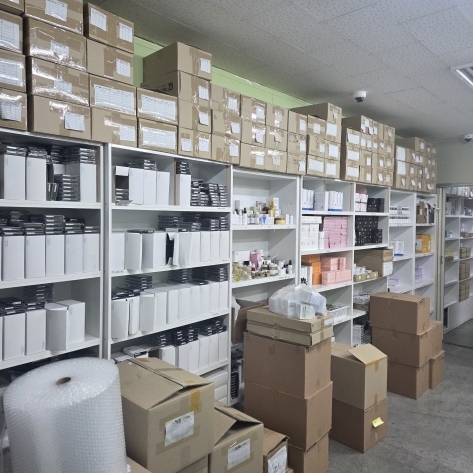
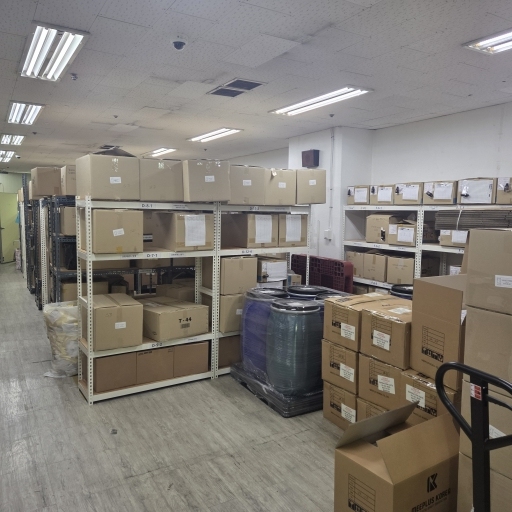
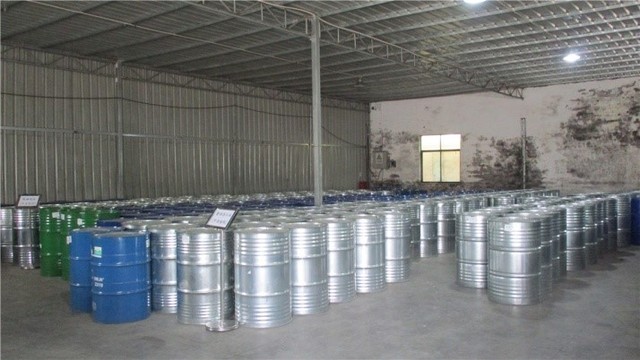
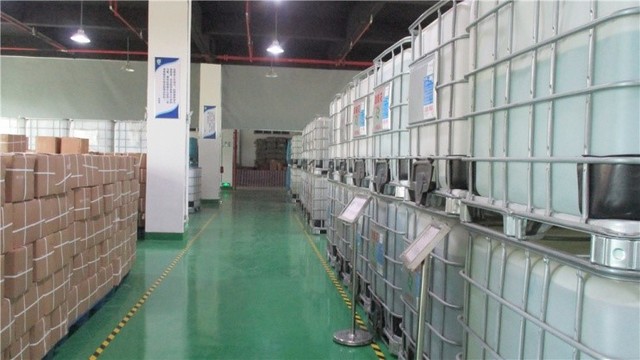
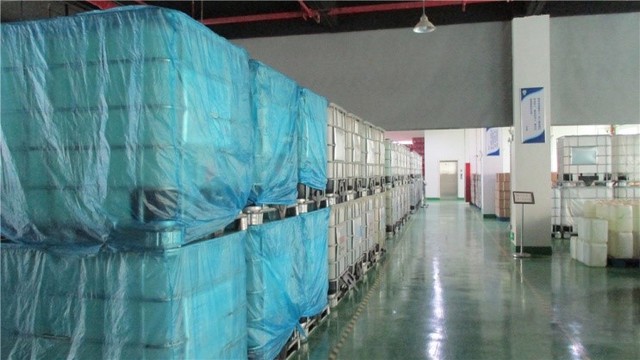
Selecting a chemical supplier is a foundational business decision. Chengdu Spekciton Biology Co., Ltd. is a professional China cosmetic ingredients manufacturer specializing in the research, development, production, and supply of high-quality personal care raw materials for skincare, haircare, and beauty applications. With an unwavering commitment to industrial innovation, quality control, and environmental sustainability, the company provides comprehensive ingredient solutions to cosmetic brands, formulation laboratories, and industrial manufacturers worldwide.
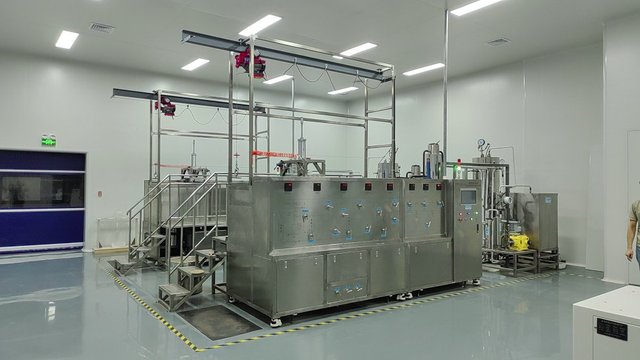
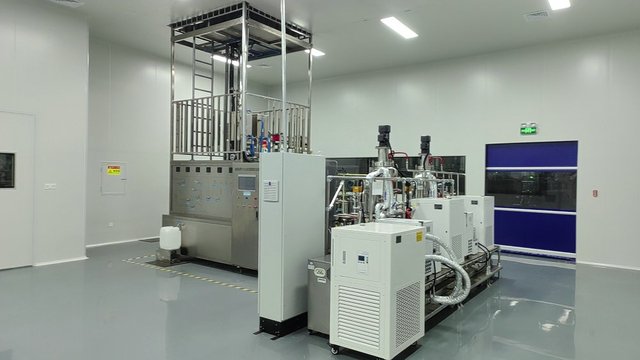
Backed by advanced analytical research capabilities and modern ISO-certified production facilities, Chengdu Spekciton Biology offers a highly diverse portfolio of cosmetic ingredients. This includes cosmetic active ingredients, botanical extracts, bio-fermented peptides, advanced moisturizing agents, anti-aging raw materials, fermentation-derived substances, and other functional raw materials. These materials are widely incorporated into complex skincare formulations, scalp/hair care products, color cosmetics, and green beauty applications.
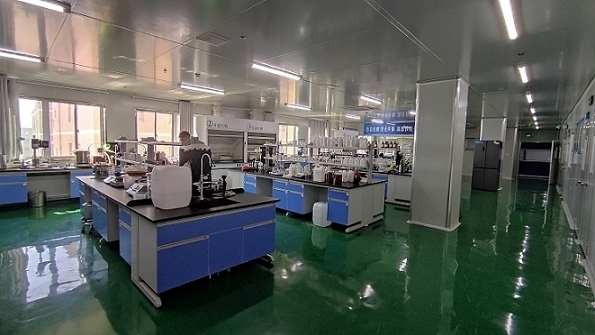
Innovation serves as the foundational core of the company's development strategy. Its experienced chemical and biological R&D team continuously explores novel extraction technologies and bioactive compounds to meet the fast-moving compliance and efficiency demands of the global beauty and personal care industry. In addition to catalog supply, the company provides customized ingredient synthesis and modification solutions to help customers optimize final product performance, improve emulsion stability, and accelerate commercial product development pipelines.
Quality assurance protocols are integrated into every stage of Spekciton's production lines. From initial raw material agricultural sourcing through manufacturing steps to final analytical testing (HPLC, GC-MS, FTIR), Chengdu Spekciton Biology implements strict quality control systems to ensure product consistency, purity, safety, and compliance with strict international regulations.
With a customer-first service approach, robust logistical supply pipelines, and comprehensive technical documentation (including SDS, COA, TDS, and efficacy data), Chengdu Spekciton Biology Co., Ltd. has established long-term commercial partnerships with customers across global markets. The company remains dedicated to delivering clean, sustainable ingredient solutions that empower global skincare brands to create safe and effective products.

Blemish care is regulated differently across the world. When sourcing active raw materials, brand manufacturers must align their formulation architectures with regional laws. A product defined as a cosmetic in the European Union may be classified as an Over-the-Counter (OTC) drug in the United States, requiring specific monographed active levels and establishment registrations.
In the United States, the Food and Drug Administration (FDA) regulates any product making "acne treatment" claims under the OTC Acne Drug Monograph. Approved active ingredients are strictly limited to Salicylic Acid (0.5% to 2.0%), Benzoyl Peroxide (2.5% to 10%), Sulfur (3% to 10%), and Resorcinol. If a brand wants to launch a cosmetic blemish-control product outside the OTC monograph, it must use ingredients such as Niacinamide, Ectoin, or Potassium Azeloyl Diglycinate under purely aesthetic cosmetic claims, avoiding drug words like "treats acne" and utilizing terms like "clarifies skin texture" or "minimizes blemish-prone areas."
European cosmetic regulations (Regulation EC No 1223/2009) focus heavily on toxicological safety and consumer protection. Ingredients like Salicylic Acid are permitted but regulated under Annex III (restricted substances) with a maximum concentration of 2.0% in rinse-off and leave-on formulations, and cannot be used in products targeting children under three years old. Formulators must also demonstrate comprehensive skin tolerance testing and prove that botanical extracts (such as Thuja leaf extracts) do not contain raw allergen percentages exceeding safety limits.
For brands exporting to China, ingredients must be listed in the Inventory of Existing Cosmetic Ingredients in China (IECIC). Chengdu Spekciton Biology ensures all cosmetic raw materials, active extracts, and emulsifiers (like Polyglyceryl-3 Laurate and Sepigel 305) comply with National Medical Products Administration (NMPA) codes, facilitating safe product registration. In Japan, quasi-drug designations apply to active blemish-reducing agents, requiring pre-market approval and specific active-concentration assays.
Efficacy in blemish control is closely tied to the carrier vehicle and delivery system. Different regions exhibit distinct climate profiles and consumer preferences, requiring localized formulation adjustments:
In humid environments, heavy oil-in-water emulsions can clog pores and exacerbate sebum production. Formulators require ultra-lightweight gel serums and watery essences. This is achieved by combining lightweight thickening emulsifiers such as Sepigel 305 with water-soluble actives like Niacinamide and Zinc PCA. Adding Thuja Orientalis Leaf Extract offers balancing benefits without leaving a greasy residue.
In dry climates, barrier disruption is a common concern. Cold weather reduces natural lipid production, and harsh blemish treatments can compromise the stratum corneum, leading to dry, flaky skin. Formulators should focus on barrier-repairing humectants like Ectoin combined with nourishing water-in-oil emulsifiers like Polyglyceryl-3 Laurate. This system delivers lipid nourishment while protecting the skin from environmental stressors.
The next generation of blemish-control ingredients focuses on precision and sustainability. Raw material factories are transitioning from conventional chemical synthesis to biotechnology-driven pathways, prioritizing bio-fermentation, microencapsulation, and green chemistry.
Below are answers to key technical questions from cosmetic formulators and raw material procurement managers regarding blemish control ingredients.
High-efficacy active ingredients, purification filters, and emulsifying raw materials
 Spekciton Biology