An authoritative study on cationic charge density, surface tension reduction, and supply chain resilience in China's cosmetic manufacturing centers.
Hair tangling is primarily an electrostatic and mechanical phenomenon governed by the physical condition of the hair cuticle. Healthy hair possesses a natural protective lipid layer (18-methyl eicosanoic acid) that renders the surface hydrophobic and low-friction. However, chemical treatments, UV exposure, and mechanical stress strip this lipid layer, exposing hydrophilic, negatively charged sulfonic acid groups on the damaged keratin surface. This excess negative charge leads to electrostatic repulsion between individual hair fibers, causing frizz, structural misalignment, and high friction.
To combat this, detangling agents rely on cationic neutralisation. Cationic surfactants and conditioning polymers adsorb onto the negatively charged sites of the hair cuticle. By forming a thin, coherent lubricating film, these ingredients reduce wet combing forces, align cuticles, and minimise mechanical breakage during styling. Modern detangling chemistry focuses on achieving an optimal balance between deposition efficiency and buildup avoidance, ensuring weightless slip and soft tactile profiles.
Global cosmetic brands are facing stringent regulatory updates. The transition from traditional cyclic silicones (D4, D5, D6) to biodegradable alternatives has intensified the search for clean detangling raw materials. Multinational buyers prioritize suppliers that offer full chemical transparency, carbon footprint footprint tracking, and strict compliance with EU REACH, FDA, and China NMPA guidelines.
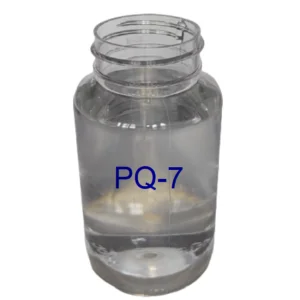
Beyond safety profiles, chemical stability under varying manufacturing environments is crucial. Ingredients like Polyquaternium-7 (CAS 26590-05-6) must maintain consistent viscosity and pH range across batches to avoid compounding failures in industrial-scale production.
| Detangling Active | Chemical Class | Primary Application | Key Benefits |
|---|---|---|---|
| Polyquaternium-7 | Diallyldimethylammonium chloride copolymer | Shampoos & Rinse-off Conditioners | High compatibility, excellent slip, maintains foam volume |
| Methyl Myristate | Fatty Acid Ester | Leave-in hair oils & dry treatments | Light emollient, non-greasy hair coat, natural gloss |
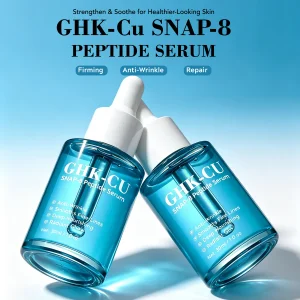
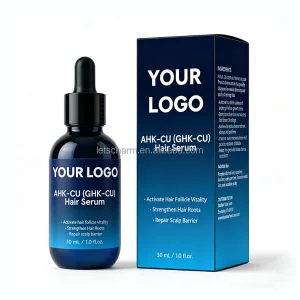
| Copper Peptides (GHK-Cu) | Bio-mimetic Peptide Complex | Scalp and hair follicle revitalizers | Strengthens roots, decreases breakage, anti-aging scalp care |
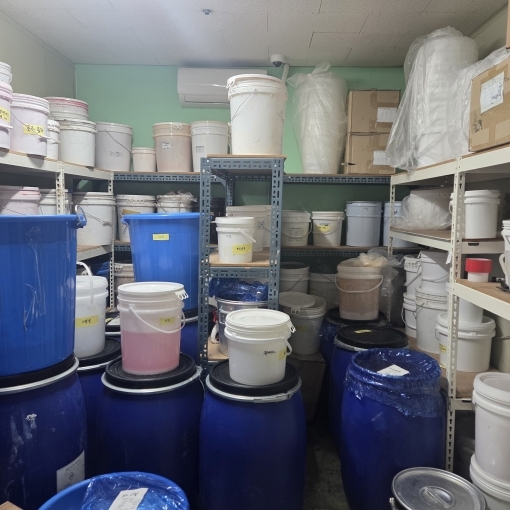
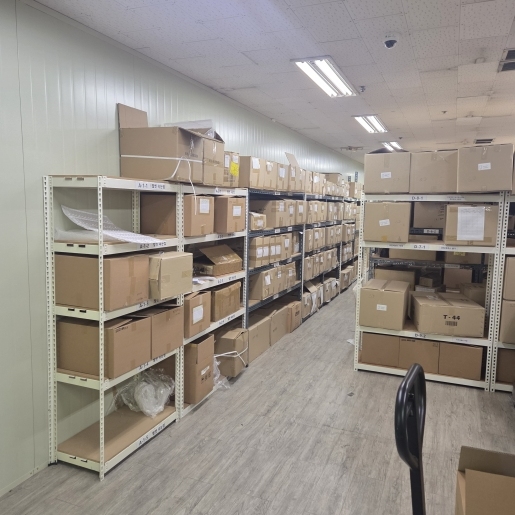
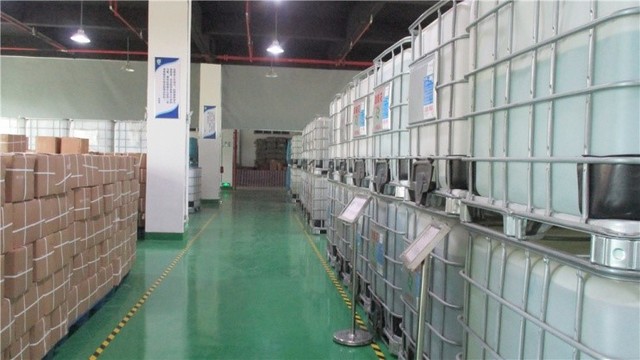
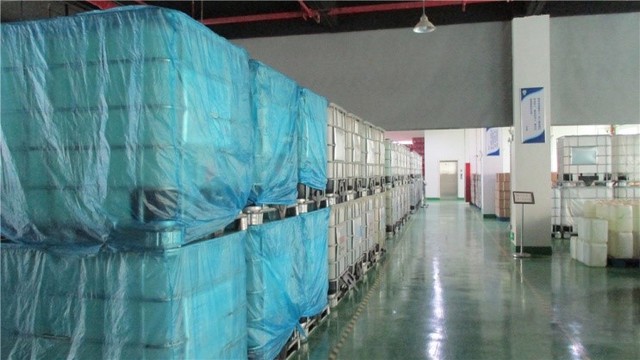
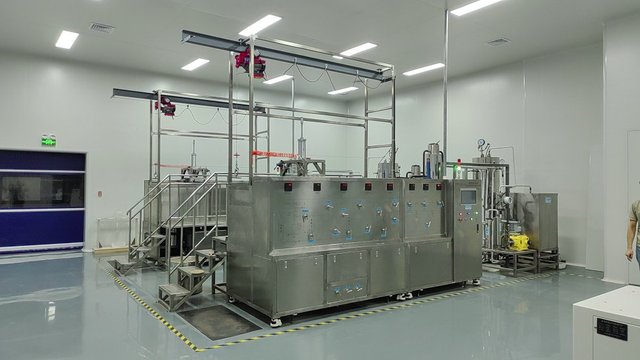
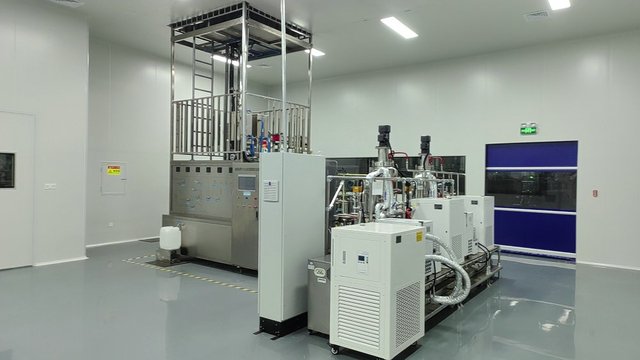
The global raw materials industry has shifted from simple cost competition to deep technological capability. China's cosmetic raw material manufacturers have integrated advanced Factory 4.0 principles to guarantee absolute quality control and supply chain stability. At state-of-the-art facilities, chemical synthesis, polymerisation, and bio-fermentation processes are managed by automated Distributed Control Systems (DCS).
This digital framework enables real-time monitoring of temperature, agitation speeds, and reactant concentrations, ensuring batch-to-batch consistency that meets the micro-tolerances required by premium cosmetic brands. Furthermore, integrated domestic supply networks in China secure a continuous supply of key monomer precursors, shielding overseas buyers from sudden raw material shortages or price shocks.
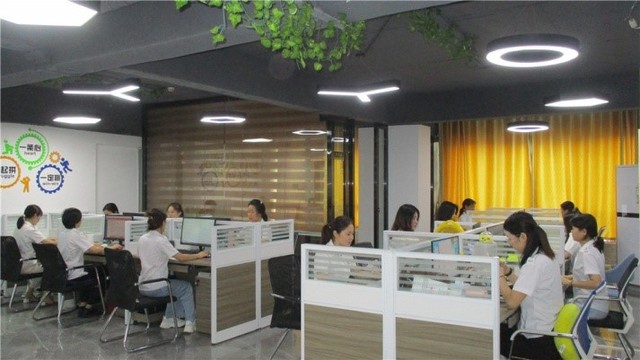
Chengdu Spekciton Biology Co., Ltd. is a professional China cosmetic ingredients manufacturer specializing in the research, development, production, and supply of high-quality personal care raw materials for skincare, haircare, and beauty applications. With a commitment to innovation, quality, and sustainability, the company provides comprehensive ingredient solutions to cosmetic brands, formulators, and manufacturers worldwide.
Backed by advanced research capabilities and modern production facilities, Chengdu Spekciton Biology offers a diverse portfolio of cosmetic ingredients, including active ingredients, botanical extracts, peptides, moisturizing agents, anti-aging ingredients, fermentation-derived ingredients, and other functional raw materials. These ingredients are widely used in skincare products, hair care formulations, color cosmetics, personal hygiene products, and clean beauty applications.
Innovation is at the core of the company's development strategy. Its experienced R&D team continuously explores new technologies and bioactive compounds to meet the evolving demands of the global beauty and personal care industry. The company also provides customized ingredient solutions to help customers optimize product performance, improve formulation efficiency, and accelerate product development.
Quality assurance is integrated into every stage of production. From raw material sourcing and manufacturing to final product testing, Chengdu Spekciton Biology implements strict quality control systems to ensure product consistency, purity, safety, and compliance with international standards.
With a customer-oriented approach, reliable supply capabilities, and strong technical support, Chengdu Spekciton Biology Co., Ltd. has established long-term partnerships with customers across global markets. The company remains dedicated to delivering innovative cosmetic ingredient solutions that empower brands to create safe, effective, and sustainable beauty products for consumers worldwide.
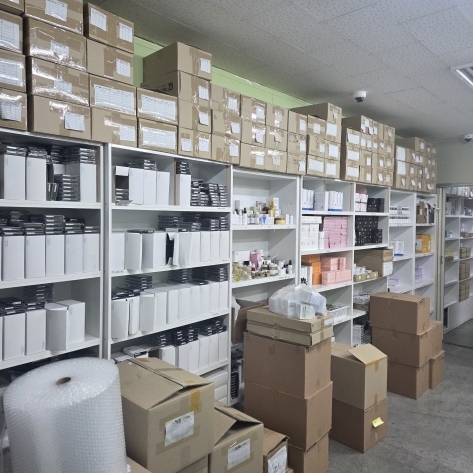
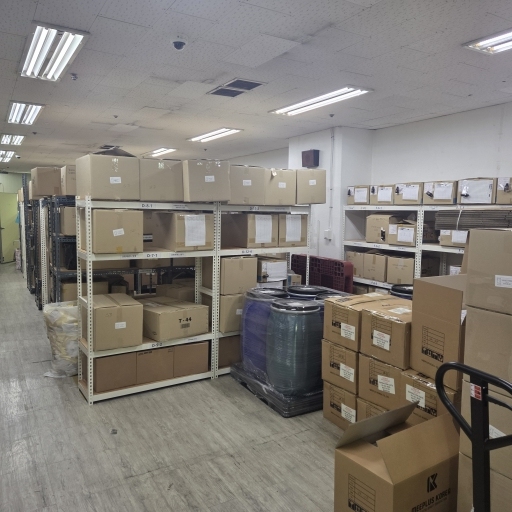
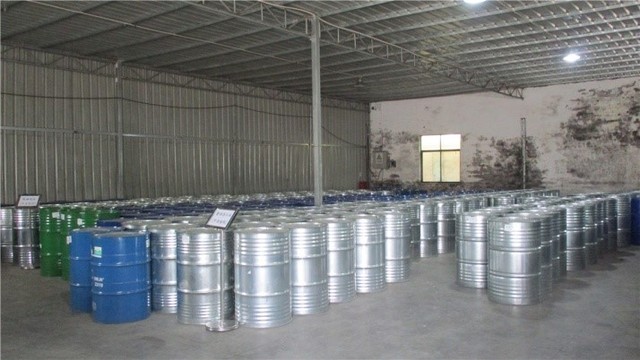
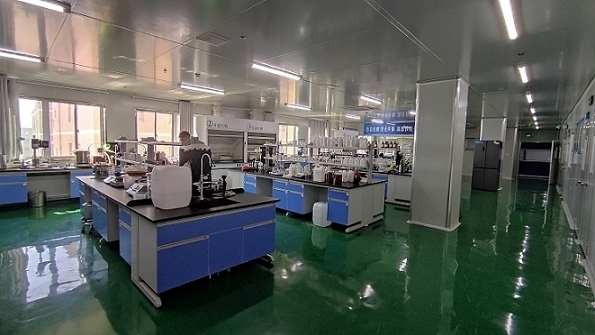

Understanding localized consumers is crucial when importing raw materials. Here are the three main application environments for detangling ingredients:
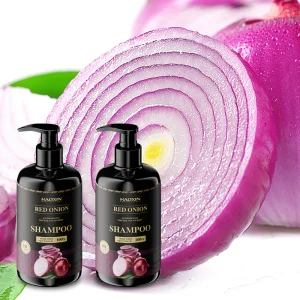
Sulfate-free shampoos often struggle with rich foam texture and slip, leading to mechanical friction during lathering. Integrating cationic polymers like Polyquaternium-7 at levels of 0.2% to 0.5% helps stabilize the foam structure while providing instant detangling during the wash. It forms a protective barrier, preventing cuticles from swelling excessively in hard water.
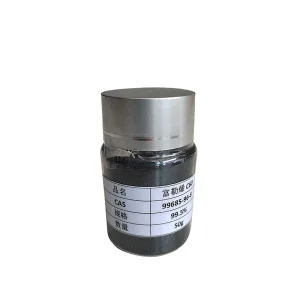
Chemically bleached and high-porosity hair needs advanced conditioning. Combining AHK-Cu / GHK-Cu Copper Peptides with high-molecular-weight cationic conditioners provides double benefits: scalp cell energy and deep cuticle repair. This synergistic formulation coats damaged areas, lowering wet combing friction by up to 60% and reducing color fading.
Modern consumers demand weightless conditioning without greasy residues. Formulations combining Methyl Myristate with light volatile carriers supply instant combing slip. It allows uniform spray distribution, leaving a glossy finish and a soft touch on dry, flyaway hair.
 Spekciton Biology