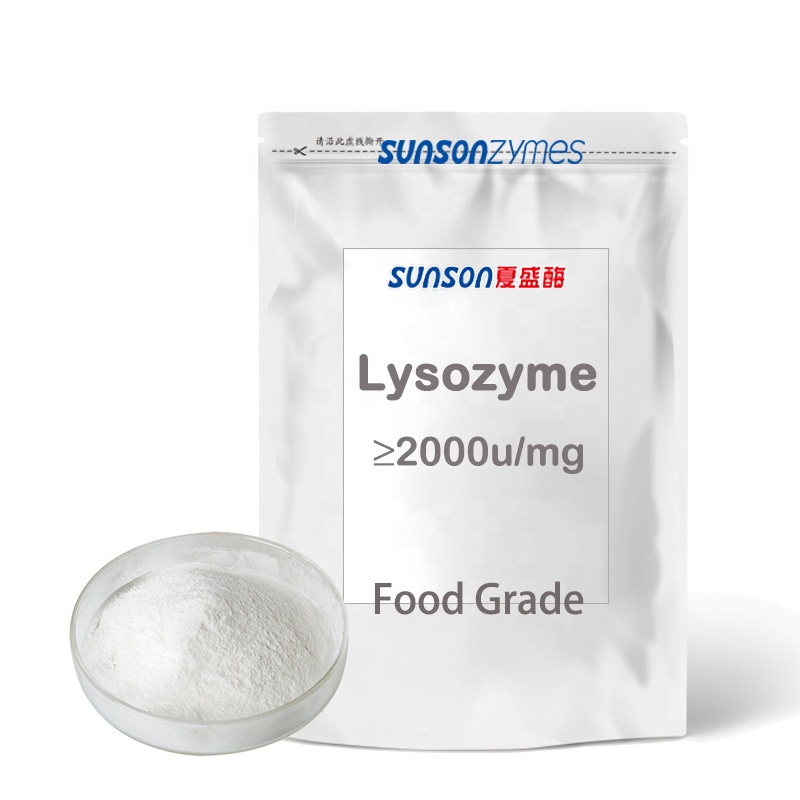
Lysozyme, also known as Muramidase or N-acetylmuramide glycoanhydrase, is an enzyme capable of hydrolyzing mucopolysaccharide in pathogenic bacteria. In nature, lysozyme is commonly found in the egg white of birds and poultry and in tears, saliva, blood, snot, urine, milk and tissue cells of mammals (such as liver, kidney, lymphoid tissue, intestine, etc.), and can also be isolated from plants (such as papaya, turnip, barley, figs, cabbage, radish, etc.).
Lysozyme has a wide antibacterial spectrum, it has effect on Gram-positive bacteria and Gram-negative bacteria, it even works on some viruses, and it is safe and non-toxic to human body, with no unwanted effects. Therefore, the enzyme has found wide applications in food, feed, medicine and other fields.
MECHANISM
As a bactericide
Lysozyme is a glycoside hydrolase attacking β-1,4 glycoside bond between N-acetyl-cell-wall acid (NAM) and N-acetylglucosamine (NAC). By degrading peptidoglycan into glycopeptide, the insoluble mucopolysaccharide gets solubilized, which leads to disintegration of bacterial cell wall and leakage of cell content, and the bacteria are thus killed.
As antivirus agent
Lysozyme can bind negatively charged virus protein to form complex salts with DNA, RNA and apocofactor protein, which inactivates the virus. In addition, lysozyme is able to activate the immune system of body and modulate the cytotoxic mechanism mediated by lymphocytes and macrophages to kill the virus.
Characteristics
Parameter
Specification
Declared Activity
≥2000u/mg (2,000,000 u/g)
Physical Form
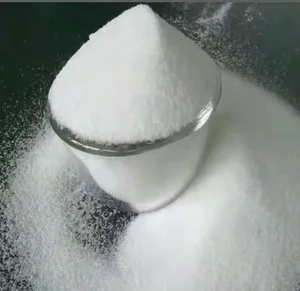
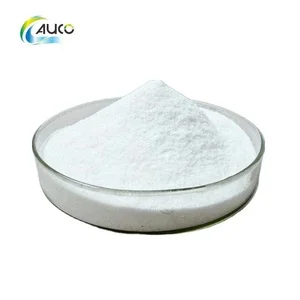
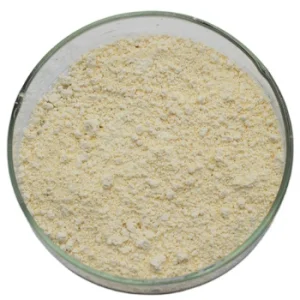
Powder
Color
White or off-white powder. Color can vary from batch to batch. Color intensity is not an indication of enzyme activity.
PRODUCT STANDARD (GB26687-2011)
No.
ITEMS
INDEX
1
Fineness (% passing 40-mesh standard sieve)
≥80
2
Loss on Drying, %
≤8.0
3
Lead (Pb) / (mg/kg)
≤2.0
4
Total Arsenic (as As) / (mg/kg)
≤2.0
5
Total Plate Count / (CFU/g)
≤50,000
6
Coliforms / (CFU/g)
≤30
7
Escherichia coli
<10 CFU/g or ≤3.0 MPN/g
8
Salmonella (in 25g)
Not Detected
9
Product Appearance
White/Off-white powder
10
Executive Standard
GB26687-2011
DOSAGE RECOMMENDATION
The general recommended dosage is 0.5-2 kg per ton of raw material. Due to variations in application fields, raw material composition, and process parameters among factories, the actual method and amount of addition should be determined through testing.
BENEFITS
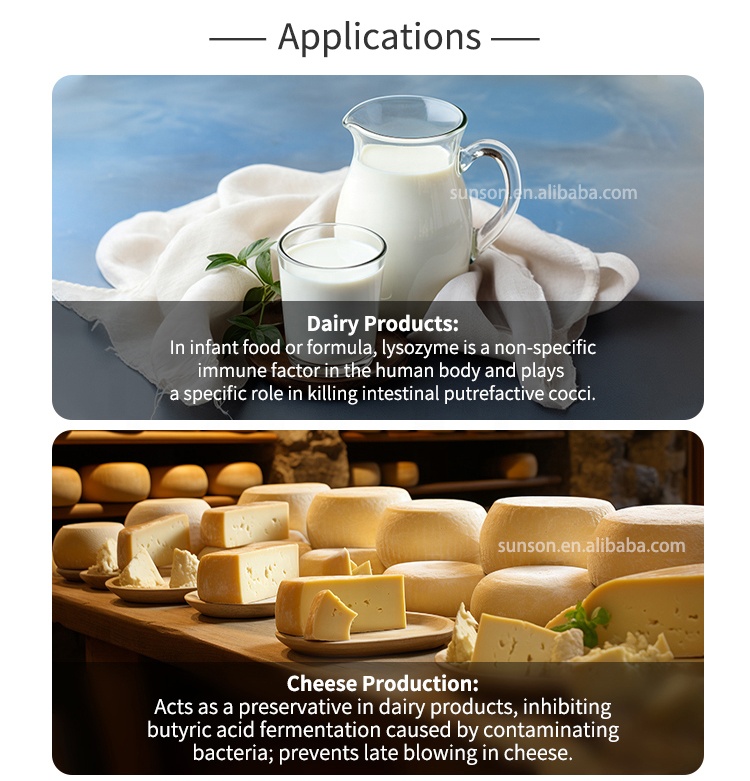
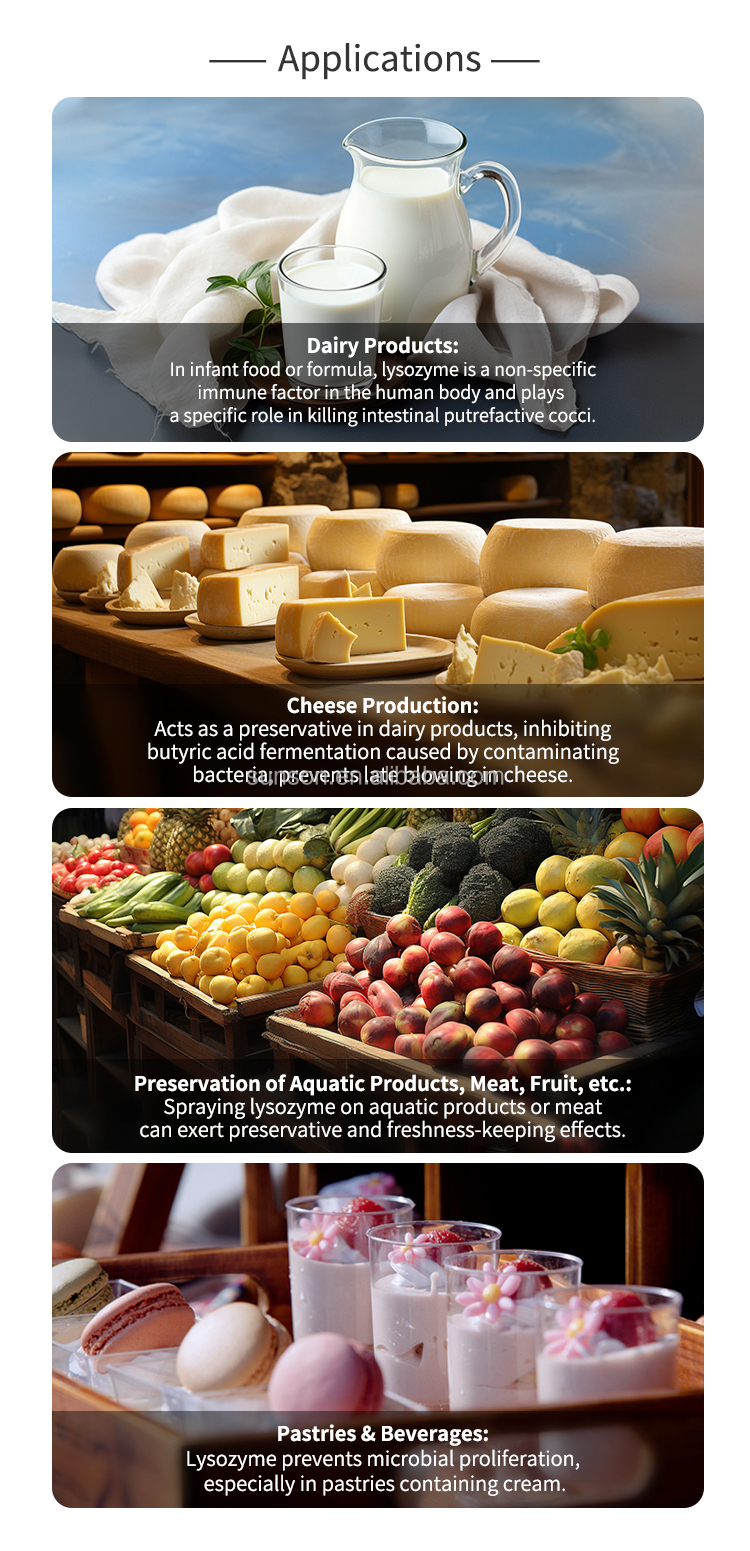
Dairy Products: In infant food or formula, lysozyme is a non-specific immune factor in the human body and plays a specific role in killing intestinal putrefactive cocci.
Cheese Production: Acts as a preservative in dairy products, inhibiting butyric acid fermentation caused by contaminating bacteria; prevents late blowing in cheese.
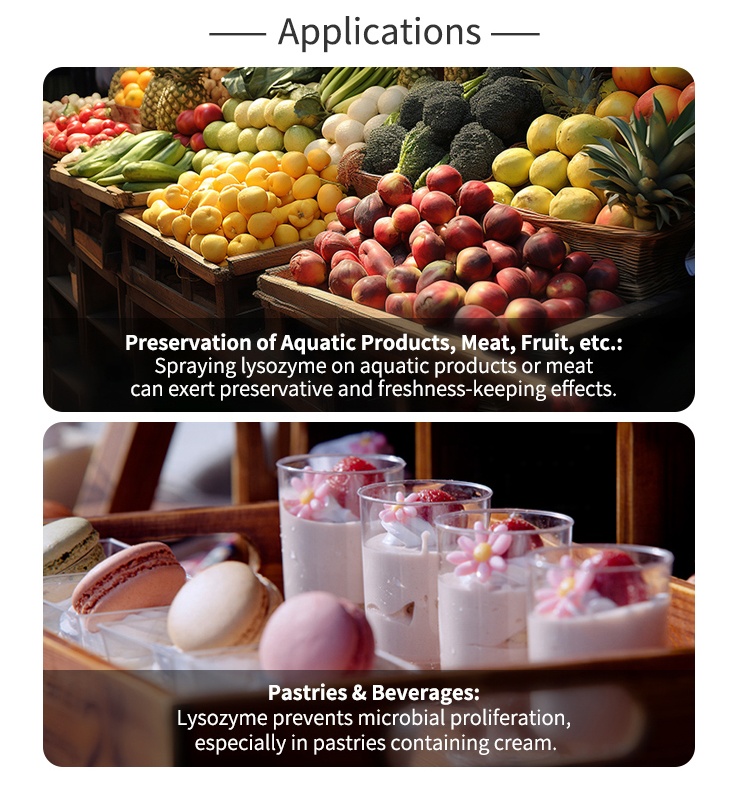
Preservation of Aquatic Products, Meat, Fruit, etc.: Spraying lysozyme on aquatic products or meat can exert preservative and freshness-keeping effects.
Pastries & Beverages: Lysozyme prevents microbial proliferation, especially in pastries containing cream.
PACKAGE AND STORAGE
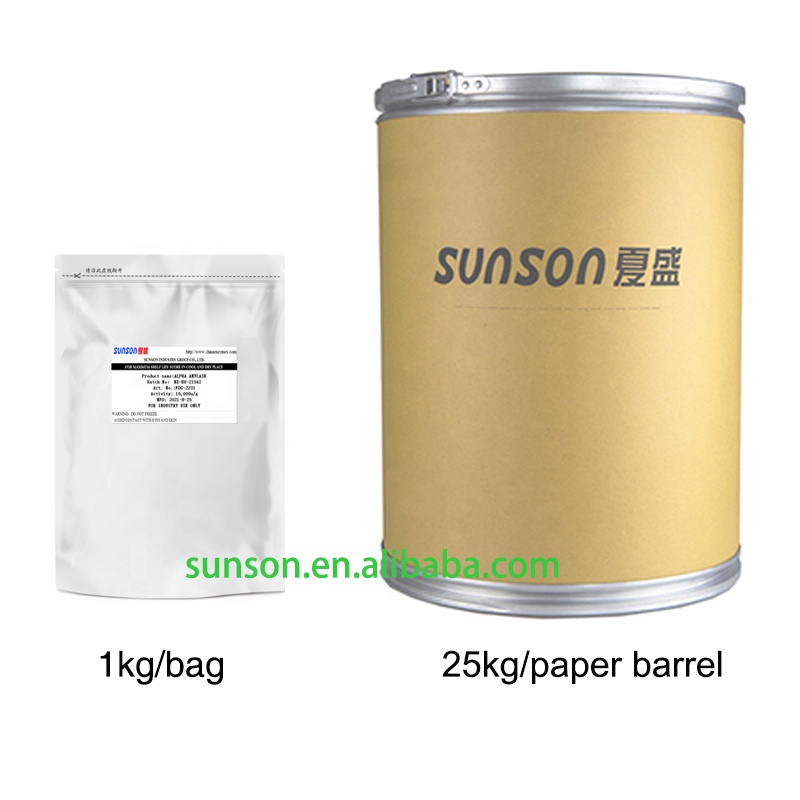
Package: 25kg/drum.
Storage: Keep sealed in a dry and cool place and avoid direct sunlight.
Shelf life: 12 months in a dry and cool place.
SAFETY
Enzyme preparations are proteins that may induce sensitization and cause allergic type of symptoms in susceptible individuals. Prolonged contact may cause minor irritation for skin, eyes or nasal mucosa. Any direct contact with human body should be avoided. If irritation or allergic response for skin or eyes develops, please consult a doctor.
Our certification
OUR SERVICE
Any inquiries will be replied within 12 hours.
Dedication to quality, supply & service.
Strictly on selecting raw materials.
OEM/ODM Available.
Reasonable & competitive price, fast lead time.
Sample is available for your evaluation & Formulation development.
Faster delivery: Sample order in stock and 3-7 days for bulk production.
We have strong cooperation with DHL, TNT, UPS, FEDEX, EMS. Or you also can choose your own shipping forwarder.
Frequently Asked Questions (FAQ)
Q1: What is Lysozyme and how does it act as an antimicrobial enzyme?
Lysozyme, also known as Muramidase, is a glycoside hydrolase enzyme that targets and breaks down the chemical bonds in the cell walls of bacteria. By degrading peptidoglycan, it causes the bacterial cell wall to disintegrate, leading to cell contents leaking out and killing the bacteria.
Q2: What is the recommended dosage for Food Grade Lysozyme Enzyme Powder?
The general recommended dosage is 0.5 to 2 kg of Lysozyme enzyme powder per ton of raw material. Depending on your specific application fields, raw materials, and processing parameters, optimal dosages should be verified through testing.
Q3: In what food products is Lysozyme typically applied?
Lysozyme is widely used in cheese production (to prevent late blowing caused by butyric acid fermentation), dairy products (such as infant formula), pastries containing cream, and as a surface preservative spray on aquatic products, meat, and fruits.
Q4: How should Lysozyme Enzyme Powder be stored to ensure shelf stability?
The product should be kept sealed in a cool, dry place away from direct sunlight. When stored properly under these conditions, it retains a shelf life of up to 12 months.
Q5: Are there any specific safety precautions when handling Lysozyme powder?
Yes. Because enzymes are proteins, they may induce allergic-type symptoms or sensitization in susceptible individuals. Prolonged contact may cause irritation to the skin, eyes, or nasal mucosa. Direct contact with the body should be avoided, and medical advice should be sought if irritation develops.
 Spekciton Biology