Spekciton Biology
1 / 5
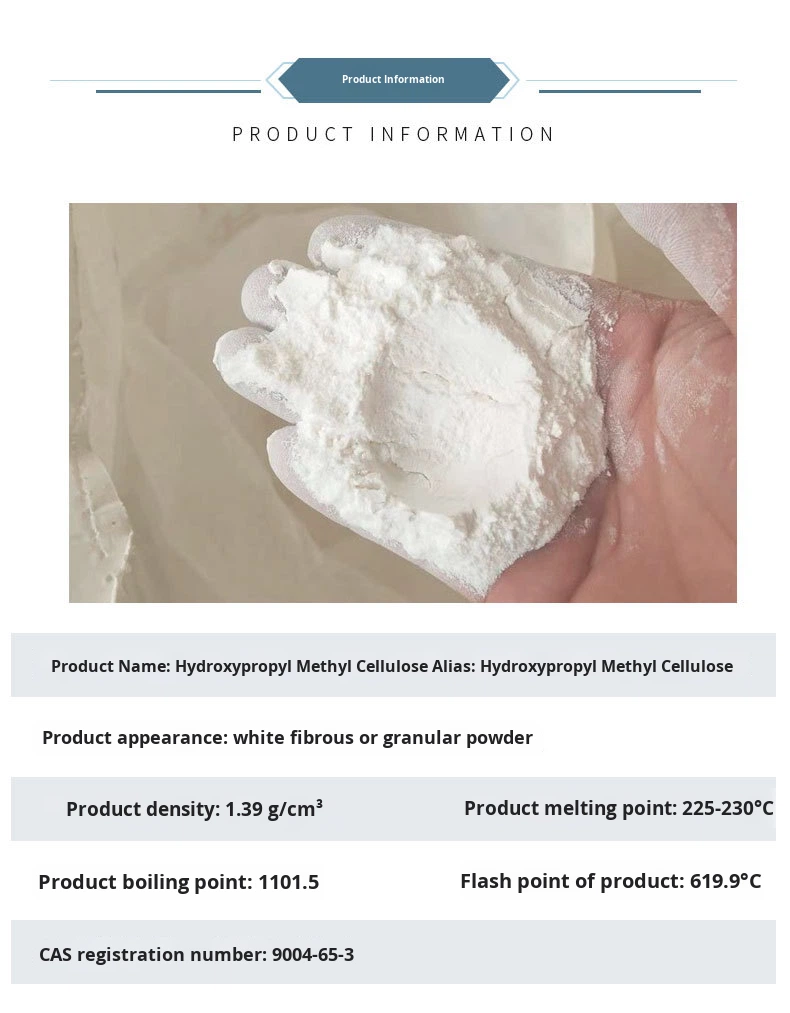
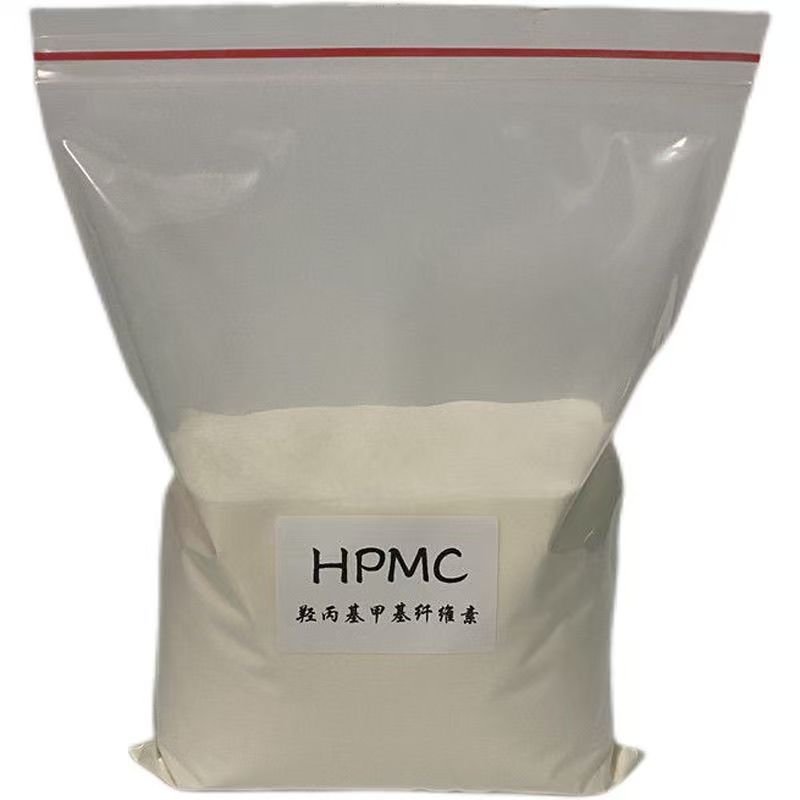
| Item | Value |
|---|---|
| Place of Origin | China |
| Efficacy | Feed Preservatives |
| Type | Feed Grade Amino Acids |
| CAS No. | 9004-65-3 |
| EINECS No. | 201-939-0 |
| Molecular Formula (MF) | C6h8o2 |
| Other Names | Cellulose |
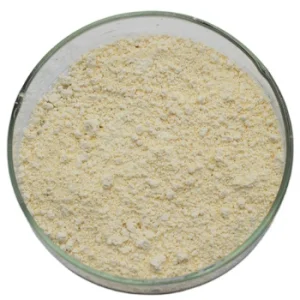
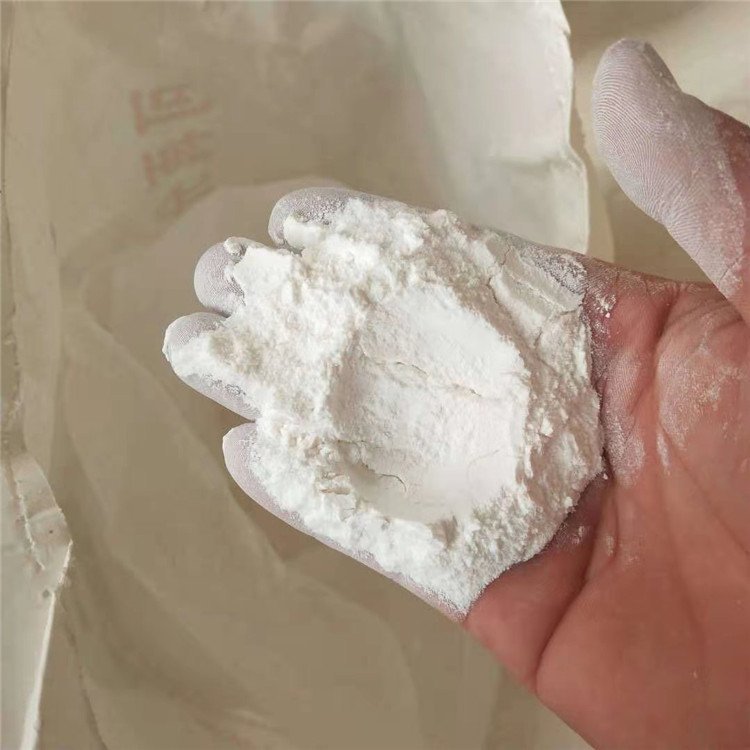
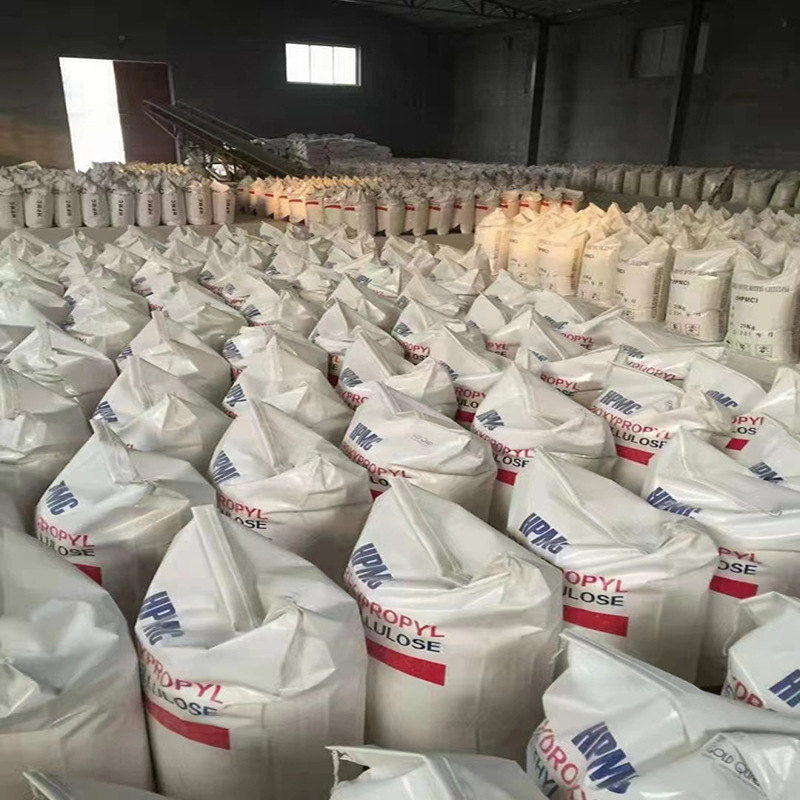
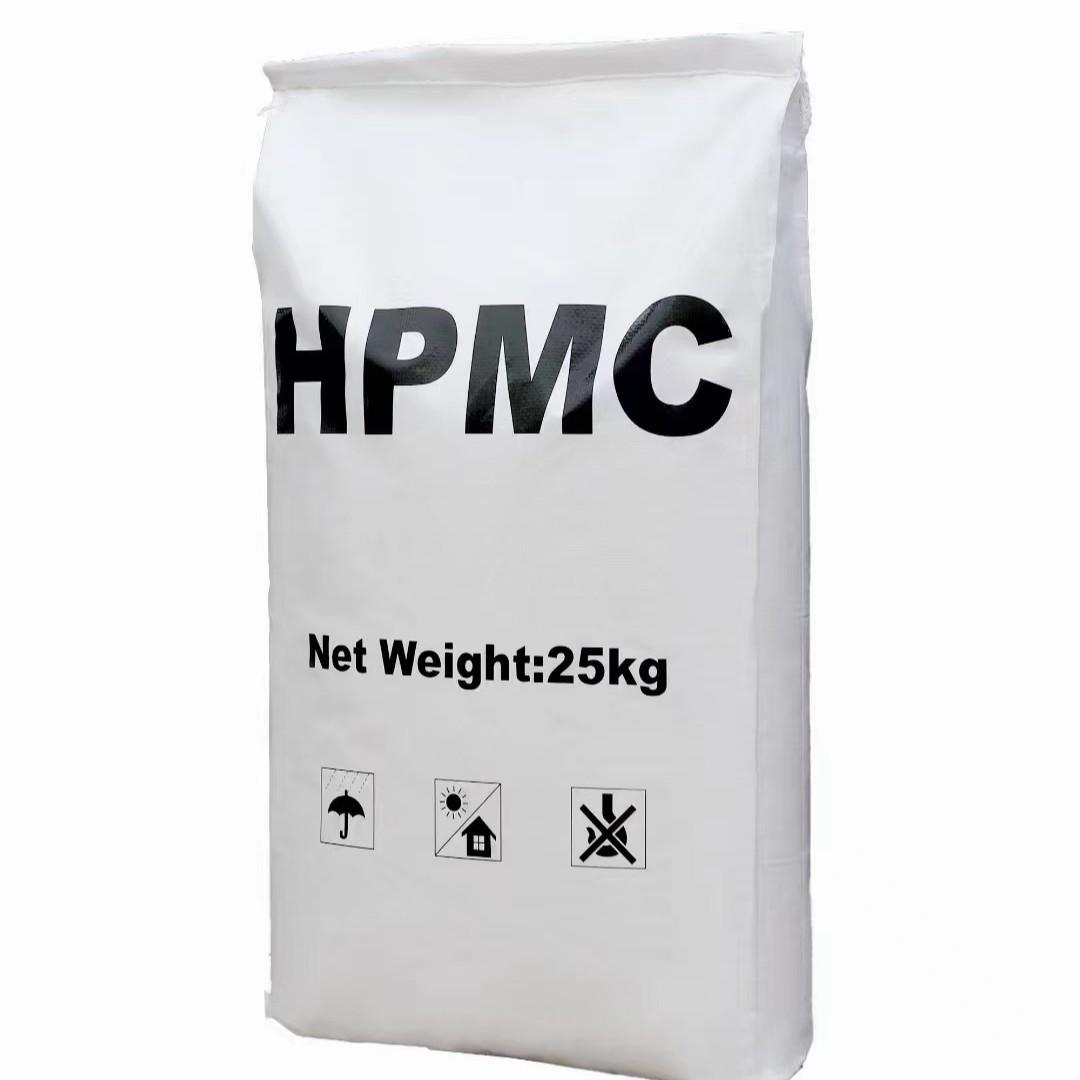
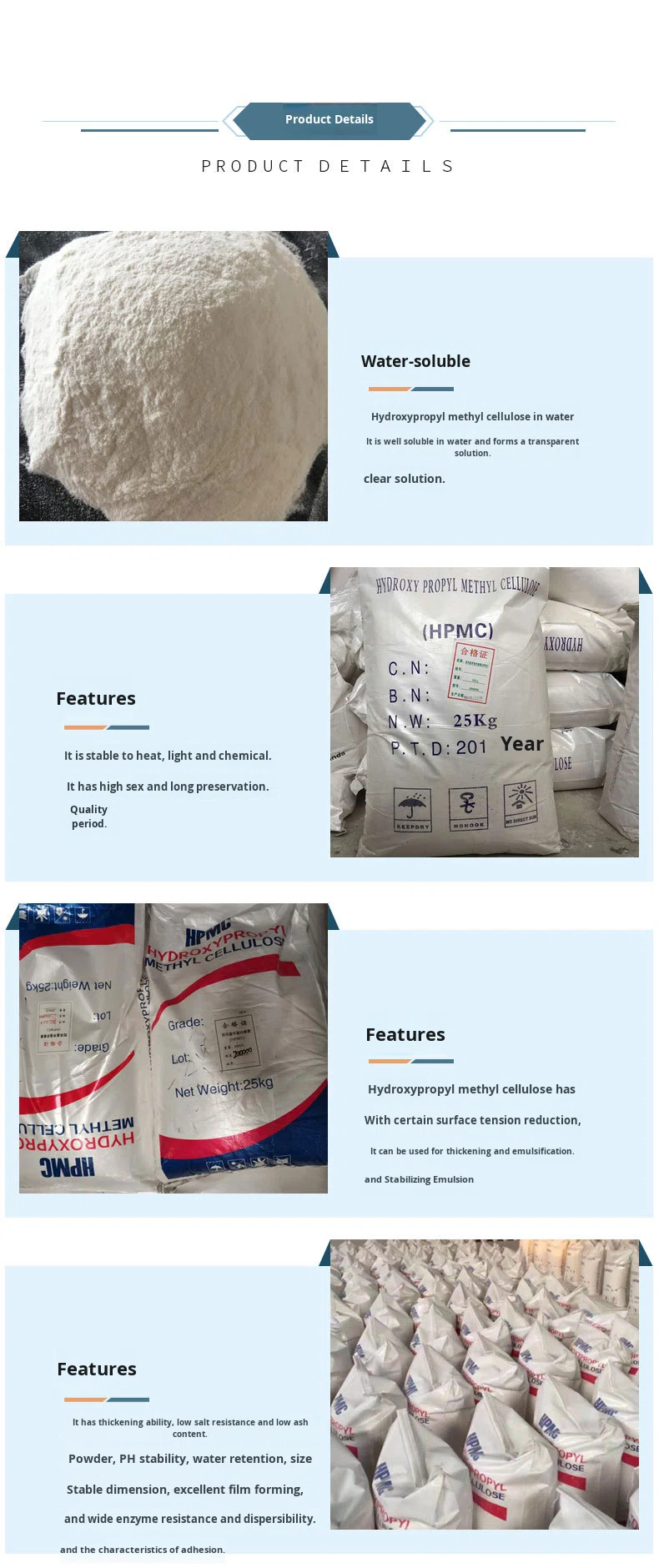
As a large-scale cellulose ether production enterprise utilizing advanced production technology, we specialize in the development, research, and manufacturing of premium cellulose grades. The cellulose ether products are widely utilized in chemical, construction, pharmaceutical, building materials, coatings, food, cosmetics, and agricultural sectors.
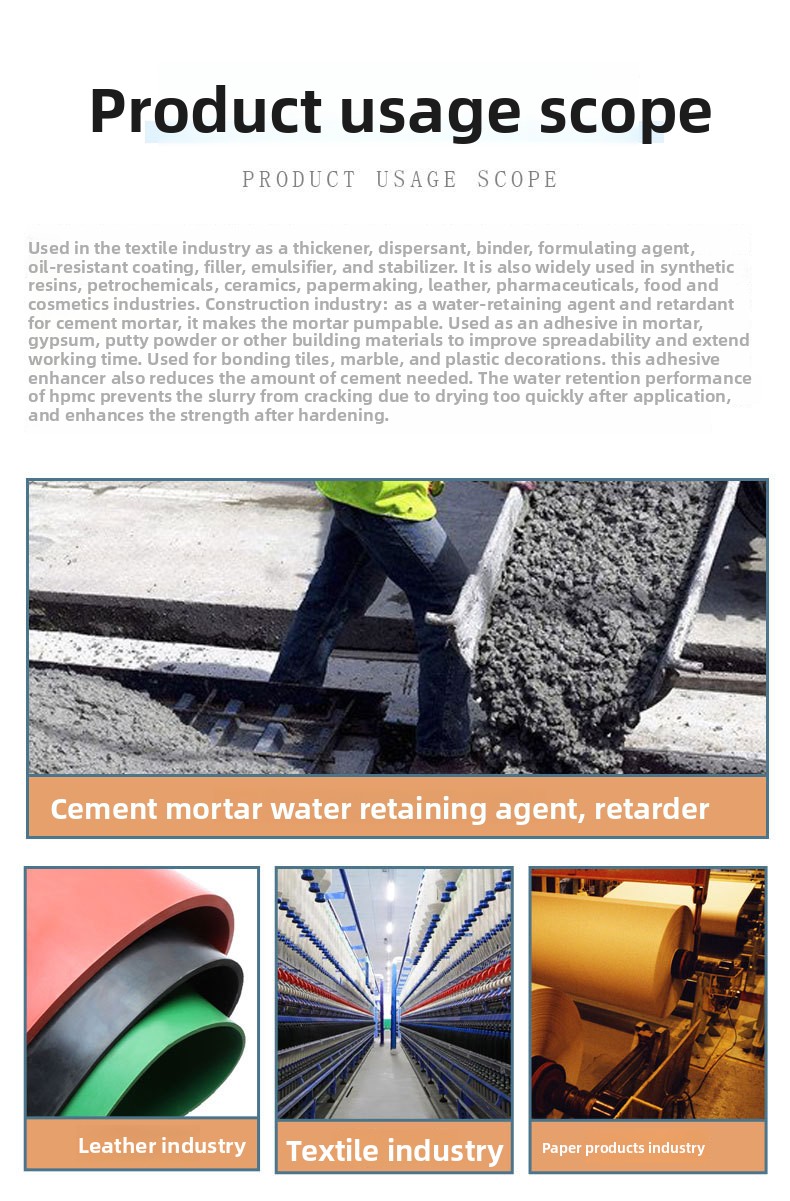
Mainly used in insulation mortar and polystyrene particles. Highly suited for thicker application layers, providing robust thickening effects, reducing sliding, and offering reliable anti-flowing properties.
Primarily designed for water-resistant putty. Facilitates three core functions: thickening, water retention, and ease of construction. Ensures slow drying for stable chemical reactions without direct chemical participation.
Commonly selected for high-end putty powder, gypsum mortar, plaster mortar, spray mortar, masonry mortar, waterproof mortar, tile adhesives, and grouts to retard settings and improve cohesiveness.
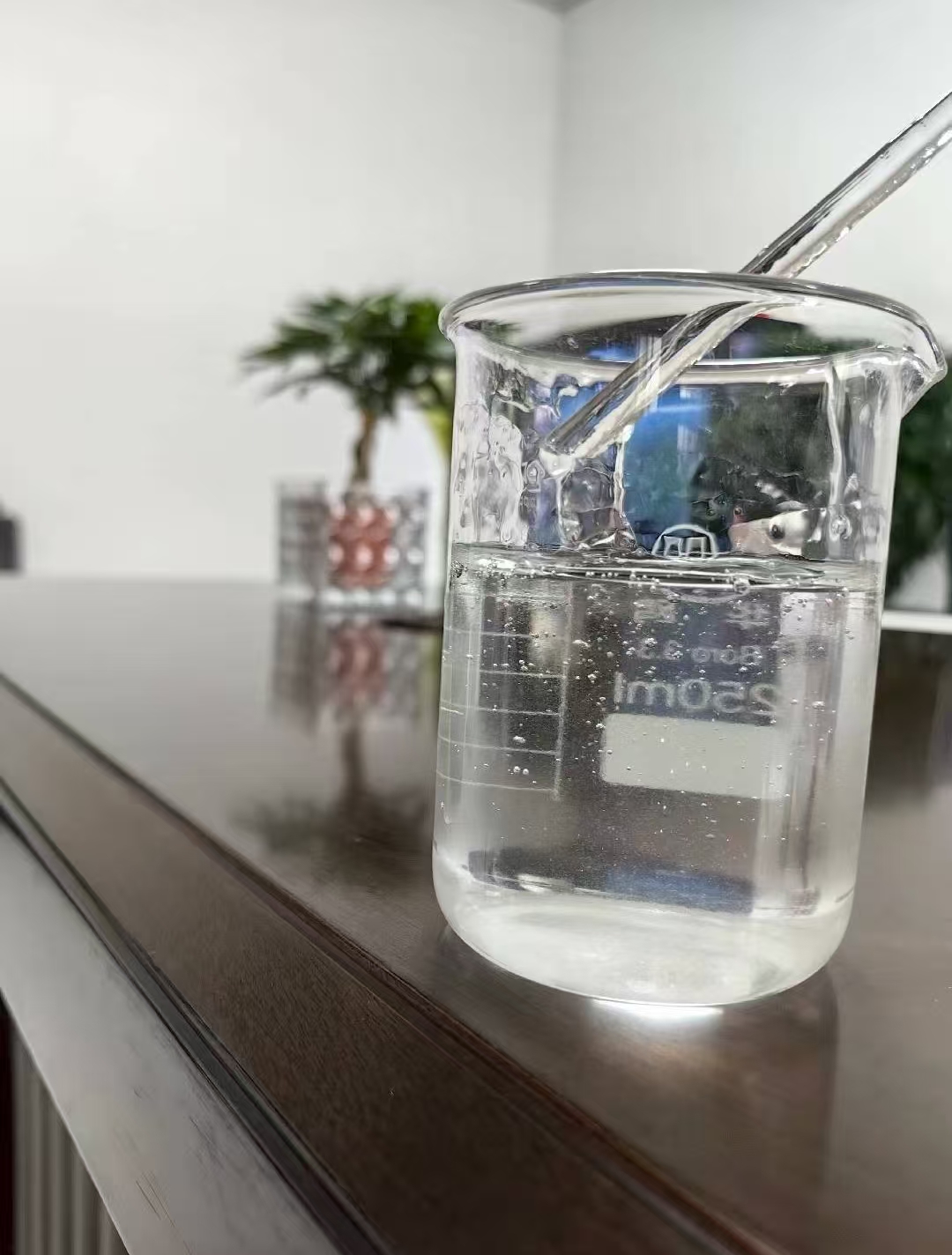
Dissolves smoothly in cold water to yield a clear, viscous colloidal solution. Gels and precipitates in hot water depending on the grade.
Capable of creating tough, flexible, and transparent films. Functions efficiently as a non-ionic thickener, stabilizer, and emulsifier.
Maintains stability across a wide pH range (3.0 - 11.0). Non-toxic, biodegradable, and highly biocompatible.
Insoluble in most organic solvents, safeguarding chemical structure integrity in wet environments.
HPMC primarily serves three main functions in construction mixtures: thickening the solution for uniformity, retaining water to prevent premature drying, and providing lubrication for easy application.
Thermal gelation allows HPMC to transition into a gel when exposed to elevated temperatures. This unique property is highly valuable in regulating viscosity in specialized construction and industrial processes.
The 20,000 - 80,000 viscosity grade is ideal for masonry mortar, tile adhesives, grouts, and gypsum mortars, as it retards cement setting and increases overall cohesion.
No, HPMC acts strictly as an auxiliary agent and does not participate in chemical reactions. The chemical hardening is driven by the reaction of lime and carbon dioxide, while HPMC facilitates thoroughness by retaining water.
Yes, HPMC is non-ionic, biocompatible, non-toxic, and biodegradable, making it safe for use in diverse industrial, chemical, and agricultural applications.
Quality is managed through strict pre-production testing of samples and a final, rigorous inspection process before all shipments leave the facility.