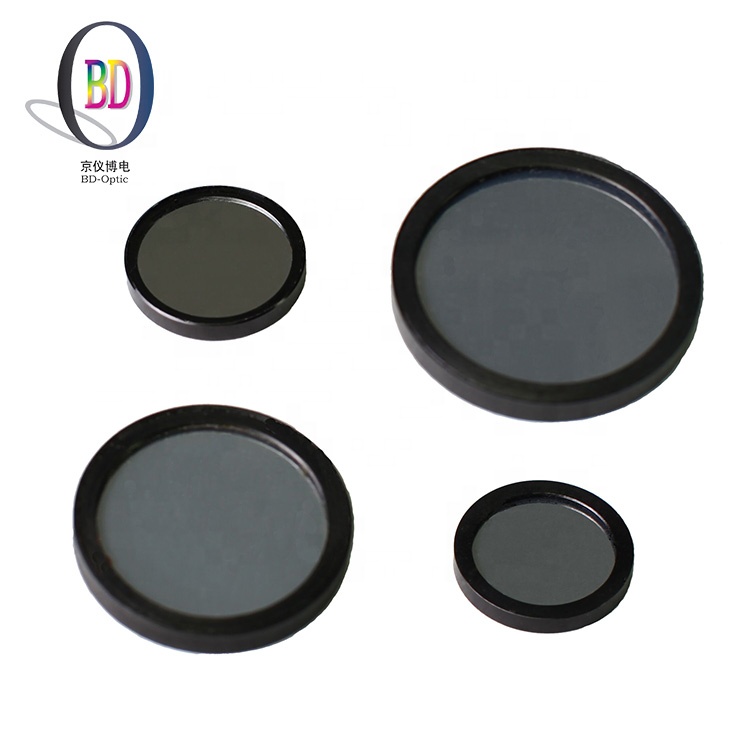
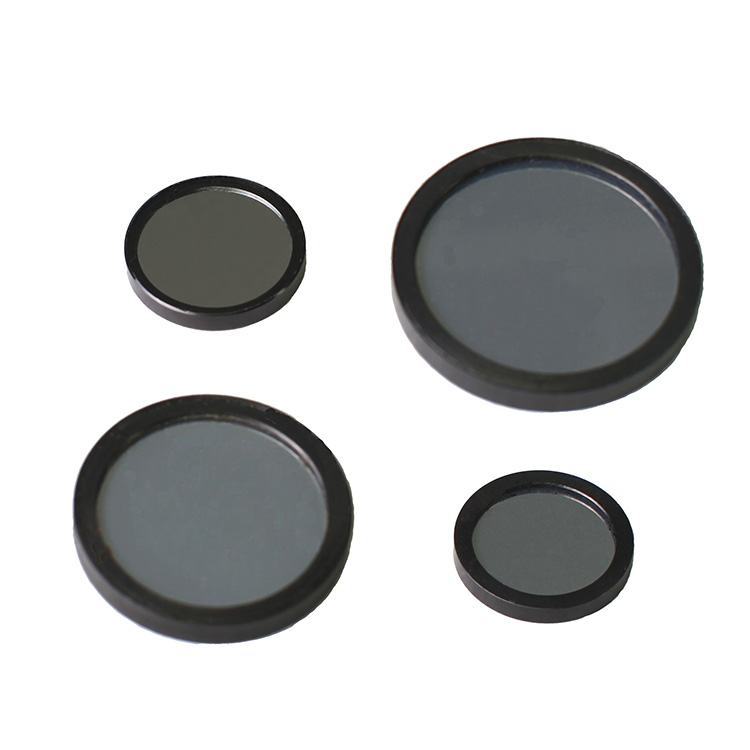
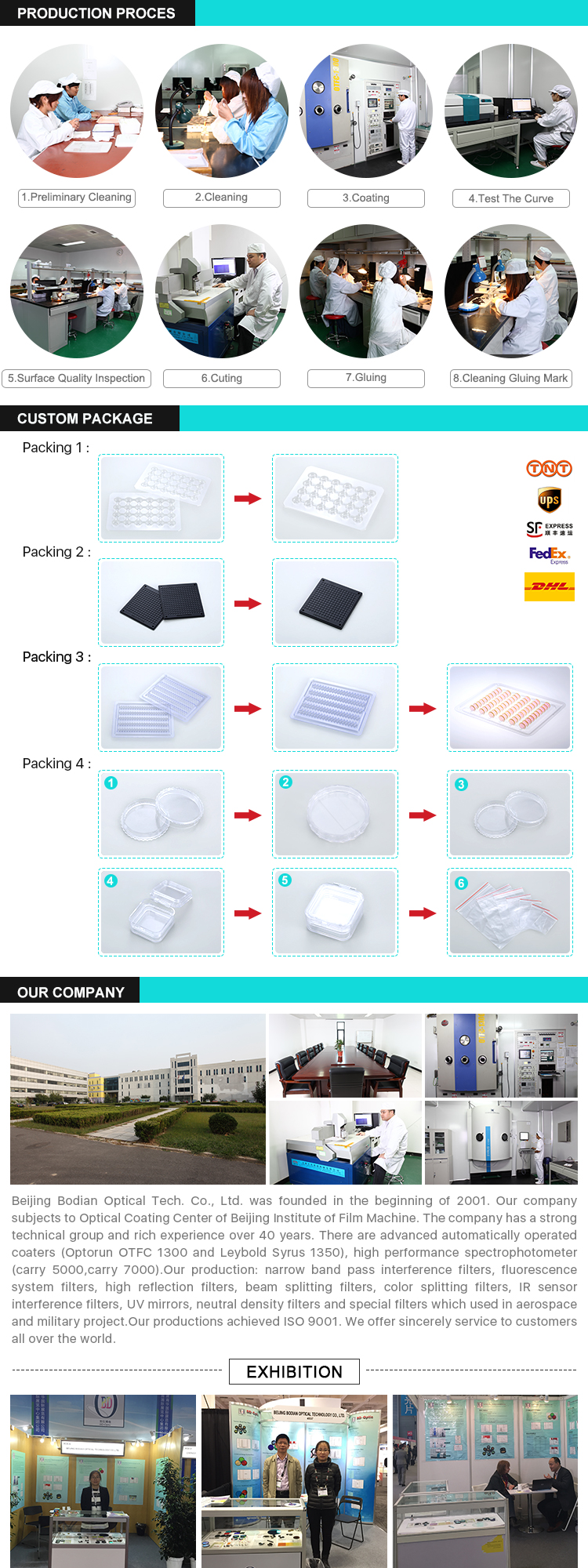
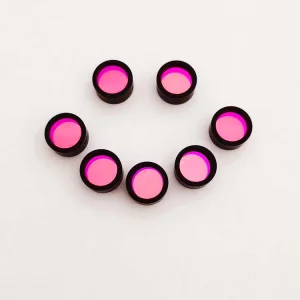
UV Narrow Band Pass Glass Filter Optical Uv Filter

Product Description

UV Narrow Band Pass Glass Filter Optical Uv Filter
UV Narrow Band Pass Glass Filter Optical UV Filter
UV Narrow Band Pass Glass Filter Optical Uv Filter
High quality ISO Narrow bandpass biochemical analyze optical filter
UV Narrow Band Pass Glass Filter Optical Uv Filter
Product Name UV Narrow band pass glass filter optical uv filter
Spectrum Narrow bandpass optical filter
Substrate K9, BK7, B270, Colour Glass
Bandwidth 12+/-3nm
Center Wavelength 214nm, 220nm, 230nm, 240nm, 254nm, 260nm, 275nm, 280nm, 287nm, 313nm, etc. (Customer Design Wavelength)
Transmittance >15% (214nm, 220nm, 230nm); >20% (240nm ~ 313nm)
Blocking OD5 ~ OD6 @ 200 ~ 1200nm
UV Narrow Band Pass Glass Filter Optical Uv Filter
Popular Recommended Products
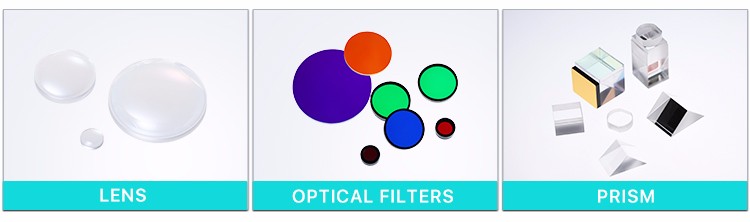
Lens
Prism
Optical Filter By Spectrum
Optical Filter By Application
UV Narrow Band Pass Glass Filter Optical Uv Filter
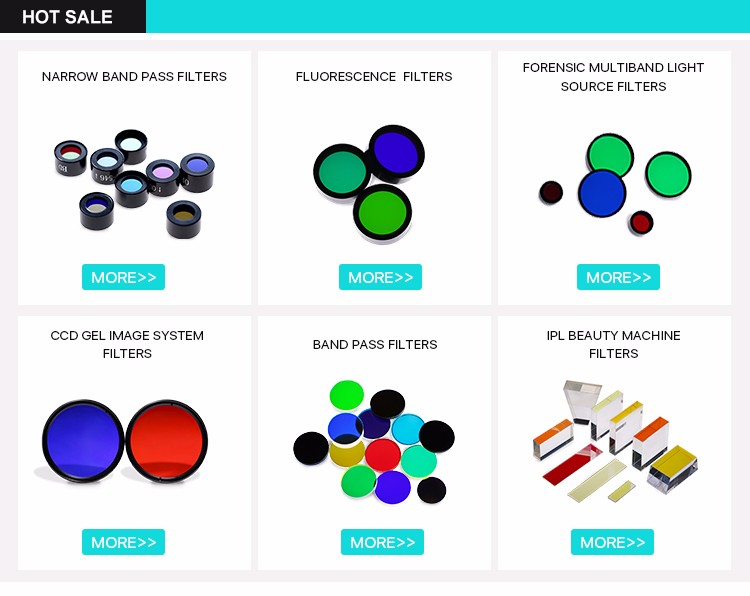
Hot Sale
Hot Sale Products
UV Narrow Band Pass Glass Filter Optical Uv Filter
Frequently Asked Questions
Q1: What is a UV narrow bandpass filter?
A UV narrow bandpass filter is an optical device designed to allow only a specific, narrow range of ultraviolet wavelengths to pass through while highly blocking (absorbing or reflecting) all other unwanted wavelengths.
Q2: What are the standard substrates used for these optical filters?
The filters are constructed using premium substrates such as K9 glass, BK7 glass, B270 glass, and various specialized colored optical glass materials, depending on the optical requirements.
Q3: Can the center wavelength (CWL) be customized?
Yes. While we offer standard center wavelengths such as 214nm, 220nm, 254nm, and 313nm, custom wavelengths can be tailored according to specific customer requirements and instrument designs.
Q4: What are the typical optical blocking capabilities?
These filters offer an outstanding optical blocking depth of OD5 to OD6 across the spectral range from 200nm to 1200nm, ensuring high signal-to-noise ratios in detection systems.
Q5: In what applications are these filters commonly used?
These filters are widely integrated into biochemical analyzers, fluorescence detectors, forensic multiband light sources, CCD gel imaging systems, and cosmetic IPL beauty devices.

Related Products