In modern dermatology and clinical beauty science, detoxifying ingredients represent the frontline defense against accelerated senescence (aging), urban environmental pollution, and trans-epidermal barrier breakdown. The human integumentary system is constantly subjected to a barrage of stressors: particulate matter (PM2.5), heavy metals, harmful UV radiation, blue light, and chemical residues from lifestyle products. These external contaminants catalyze the accumulation of free radicals, triggering lipid peroxidation, degradation of the extracellular matrix (ECM), and cellular inflammatory cycles.
Advanced detoxifying ingredients combat these degradative cycles through specific biochemical pathways:
As globally conscious consumers shift toward "clean beauty" and "anti-pollution skincare", chemical distributors and formulation chemists are prioritizing high-efficacy detoxifying actives. Securing reliable supply pathways from established Chinese manufacturing hubs has become critical for managing costs and maintaining high performance.
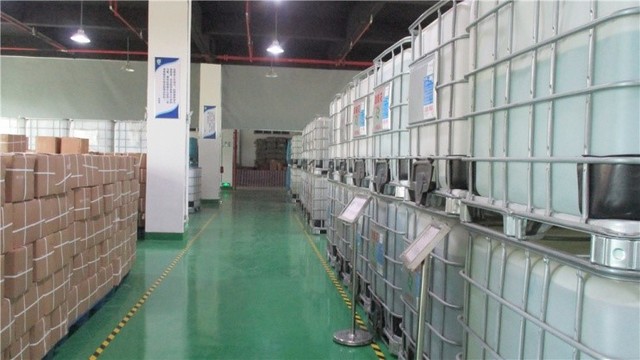
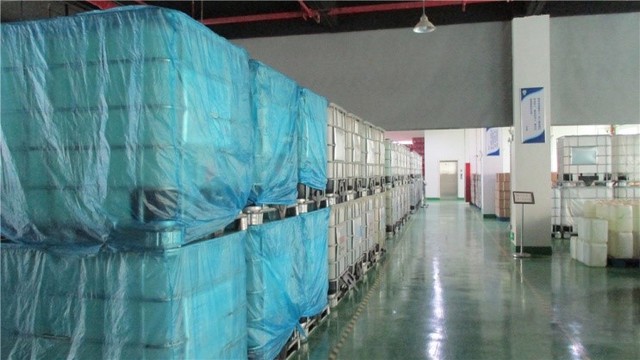
Chengdu Spekciton Biology Co., Ltd. is a professional China cosmetic ingredients manufacturer specializing in the research, development, production, and supply of high-quality personal care raw materials for skincare, haircare, and beauty applications. With a commitment to innovation, quality, and sustainability, the company provides comprehensive ingredient solutions to cosmetic brands, formulators, and manufacturers worldwide.
Backed by advanced research capabilities and modern production facilities, Chengdu Spekciton Biology offers a diverse portfolio of cosmetic ingredients, including active ingredients, botanical extracts, peptides, moisturizing agents, anti-aging ingredients, fermentation-derived ingredients, and other functional raw materials. These ingredients are widely used in skincare products, hair care formulations, color cosmetics, personal hygiene products, and clean beauty applications.
Innovation is at the core of the company's development strategy. Its experienced R&D team continuously explores new technologies and bioactive compounds to meet the evolving demands of the global beauty and personal care industry. The company also provides customized ingredient solutions to help customers optimize product performance, improve formulation efficiency, and accelerate product development.
Quality assurance is integrated into every stage of production. From raw material sourcing and manufacturing to final product testing, Chengdu Spekciton Biology implements strict quality control systems to ensure product consistency, purity, safety, and compliance with international standards.
With a customer-oriented approach, reliable supply capabilities, and strong technical support, Chengdu Spekciton Biology Co., Ltd. has established long-term partnerships with customers across global markets. The company remains dedicated to delivering innovative cosmetic ingredient solutions that empower brands to create safe, effective, and sustainable beauty products for consumers worldwide.
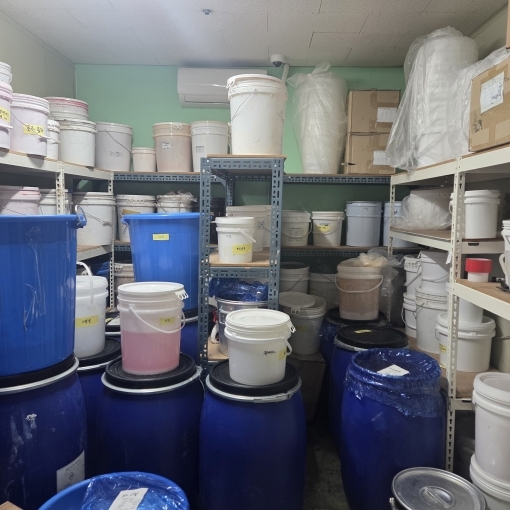

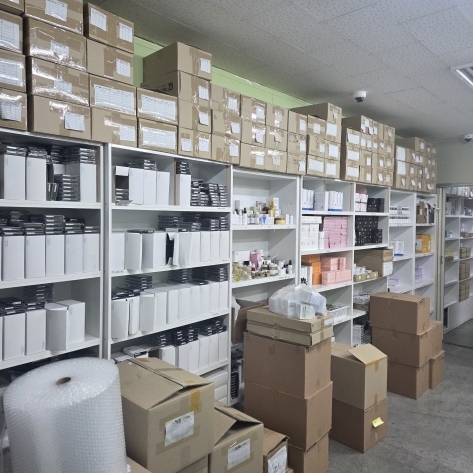
China's chemical synthesis and botanical extraction industries have transitioned from high-volume production to state-of-the-art biotech manufacturing. This transformation yields major structural advantages for international cosmetics developers:
By employing modern biological fermentation, Chinese factories produce highly purified actives, including Sodium Hyaluronate, peptides, and organic enzymes, without toxic solvent residues.
Top-tier manufacturers maintain ISO 9001, GMPC, ISO 22716, Halal, and Kosher certifications, facilitating smooth entry into regulated EU and US markets.
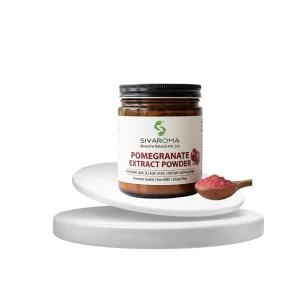
Proximity to diverse agricultural bases allows direct processing of botanical feedstocks (e.g., Pomegranate extract, Grapefruit peel extract), reducing manufacturing lead times.
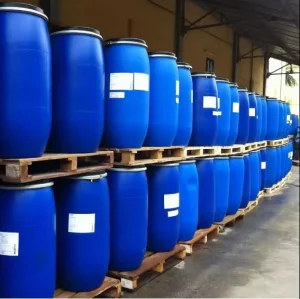
Additionally, modern logistics infrastructure in industrial clusters like Sichuan, Zhejiang, and Guangdong minimizes shipping times. Whether ordering bulk raw materials like Sodium Lauryl Ether Sulphate (SLES 70%) or advanced anti-aging ingredients like GHK-Cu, global brands benefit from efficient production scaling and optimized logistics.
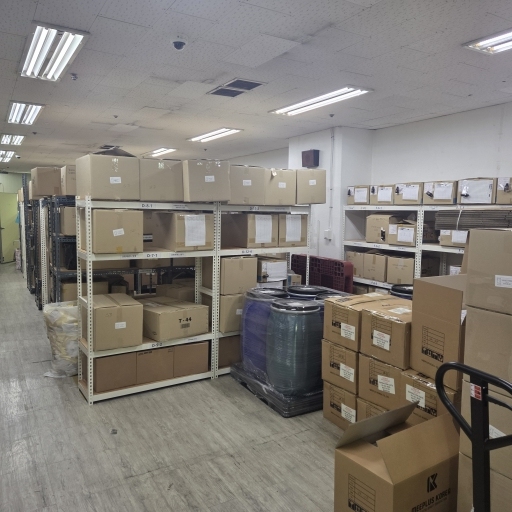
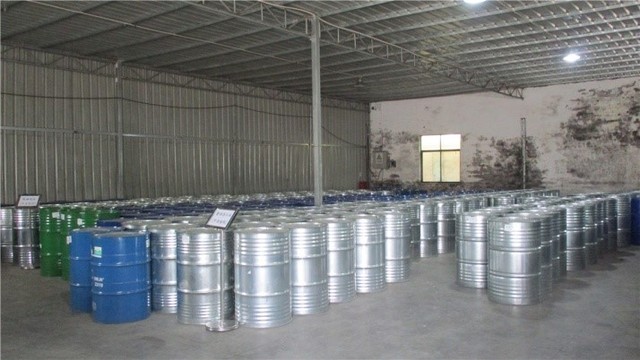
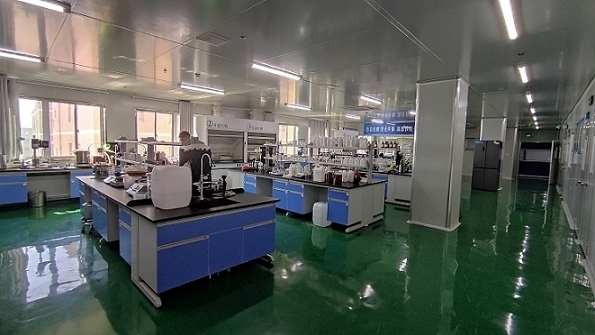
Developing functional cosmetic formulas requires combining various materials to achieve stability, safety, and performance. Below are major formulation concepts using key cosmetic ingredients:
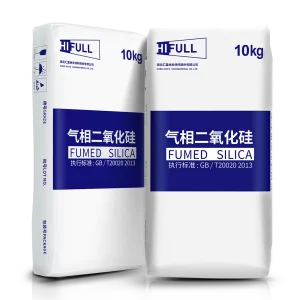
Combining film-forming barriers with internal cellular repair agents is key to blocking micro-particulates. Formulators can pair Hydrophobic Fumed Silica (such as HB-139) with high-purity GHK-Cu (Blue Copper Peptides) and Sodium Hyaluronate. The silica forms a breathable, physical barrier on the skin's surface, while the peptides stimulate collagen synthesis and promote tissue repair.
Traditional chemical preservatives like parabens and formaldehyde releasers are increasingly replaced by natural alternatives. Combining Grapefruit Peel and Coriander Seed extract with Peppermint Extract yields stable, broad-spectrum preservation that reduces irritation while supporting formula stability.
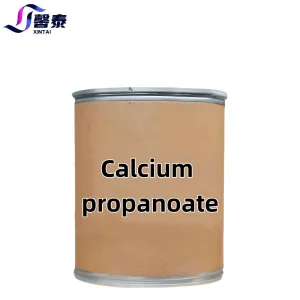
For oral care and hygiene products, maintaining chemical stability in aqueous solutions is critical. The use of Sodium Lauryl Ether Sulphate (SLES 70%) provides excellent foaming and cleansing action, while Calcium Propionate acts as an effective stabilizer to prevent microbial growth, ensuring long-term product shelf life.
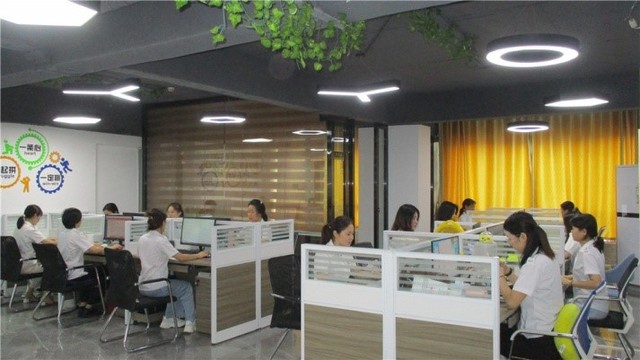
The global personal care sector is experiencing a significant shift toward green chemistry. Cosmetic formulations are moving away from petroleum-derived synthetics in favor of sustainable, bio-engineered alternatives. Key trends shaping the future of cosmetic manufacturing include:
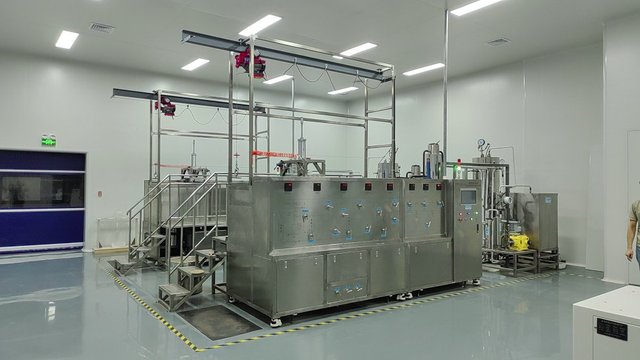
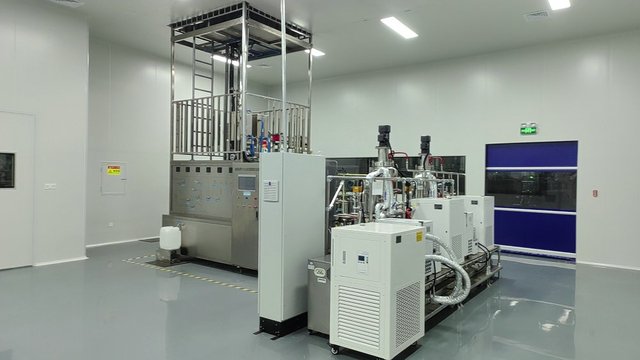
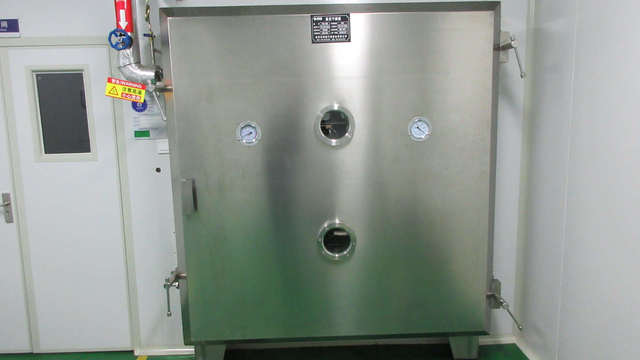
For international procurement managers, sourcing chemical raw materials and bioactive ingredients from overseas factories requires careful evaluation of safety, stability, and regulatory compliance. The following protocols are essential when auditing suppliers in China:
1. Analytical Documentation: Every product batch must be accompanied by a Certificate of Analysis (COA), Material Safety Data Sheet (MSDS), and gas chromatography-mass spectrometry (GC-MS) or high-performance liquid chromatography (HPLC) profiles to verify active content and purity levels.
2. Contaminant Screening: Ingredients must undergo routine testing for heavy metals (lead, arsenic, mercury, cadmium), pesticide residues, and microbial contamination to comply with FDA regulations, EU REACH standards, and other international safety requirements.
3. Supply Chain Security: Established manufacturers like Chengdu Spekciton Biology Co., Ltd. offer robust inventory management, raw material traceability, and reliable production capacities to help global brands prevent supply chain disruptions.
 Spekciton Biology