Explore our premium product range designed for high-performance cosmetics, skin tightening, anti-aging, and advanced chemical formulation.
Why modern personal care is abandoning harsh sulfates in favor of bio-based, dermatologically sound alternatives.
In the contemporary B2B cosmetic manufacturing sector, the demand for mild surfactants has transitioned from a niche market preference to an industry baseline. As consumer awareness shifts toward skin barrier integrity, clean beauty protocols, and ecological preservation, global cosmetic formulators are systematically replacing legacy anionic surfactants—such as Sodium Lauryl Sulfate (SLS) and Sodium Laureth Sulfate (SLES)—with mild, bio-compatible alternatives. Surfactants derived from natural amino acids, fatty acids, and green chemistry sources represent the frontier of this transition.
Chengdu Spekciton Biology Co., Ltd. stands at the forefront of this industrial transformation. As a premier cosmetic ingredients manufacturer based in China, we specialize in the custom OEM/ODM synthesis, research, and global exportation of high-purity functional raw materials. By leveraging advanced biocatalysis, plant-based lipid extraction, and stringent quality control protocols, we empower cosmetic brands worldwide to build products that deliver exceptional efficacy without compromising dermatological safety or environmental health.
Utilizing high-purity natural fatty acids and amino acids (glutamic acid, glycine, alanine) to create skin-friendly surfactants with rapid biodegradability.
Formulations engineered to preserve the stratum corneum lipids and intercellular proteins, ensuring skin hydration remains uncompromised.
Ensuring absolute compliance with clean beauty standards, free from 1,4-dioxane contamination and ethylene oxide derivatives.
A data-driven perspective on market sizing, regional trends, and the regulatory catalysts driving surfactant formulation.
The global market for mild surfactants is experiencing an unprecedented compound annual growth rate (CAGR), projected to expand significantly over the next decade. This growth is heavily concentrated in regions where cosmetic regulatory frameworks are tightening, and consumer groups possess high purchasing power coupled with skin sensitivity concerns.
| Surfactant Class | Primary Feedstock | Dermatological Profile | Key Application Zones | Ecological Impact |
|---|---|---|---|---|
| Amino Acid Surfactants (e.g., Cocoyl Glutamate, Glycinates) | Coconut Oil & Fermented Sugars | Ultra-mild, mimics skin pH, zero irritation | Facial cleansers, baby care, premium hair care | 100% biodegradable in 28 days |
| Alkyl Polyglucosides (APGs) | Corn starch & fatty alcohols | Mild, non-ionic, excellent foam stabilizer | Body washes, natural household, baby care | Excellent eco-toxicity profile |
| Sulfate-Free Alkyl Ether Carboxylates | Plant lipids | Mild, high hard water tolerance | Shampoos, therapeutic body washes | Low environmental persistency |
| Amphoteric Betaines / Hydroxysultaines | Coconut oil derivatives | Moderate mildness, dynamic viscosity builder | General personal hygiene, daily cleansers | Highly biodegradable |
In highly mature markets like the European Union and North America, regulatory guidelines such as the EU Cosmetic Regulation (EC No 1223/2009) and the US Clean Water Act have placed stringent thresholds on chemical residues. Particularly, the restriction on 1,4-dioxane traces—a common byproduct in ethoxylated surfactants like SLES—has forced global brands to seek clean alternative surfactants. The shift toward bio-sourced, non-ethoxylated mild surfactants is no longer an optional marketing angle; it is an operational mandate for global trade.
Purity Standards Guaranteed
Global Export Destinations
Certified Manufacturing Facility
Compliance & Technical Support
How Spekciton Biology achieves optimal viscosity, foam density, and skin mildness through advanced chemical synthesis.
Formulating with mild surfactants presents unique rheological challenges. Unlike traditional sulfates, which thicken easily with simple sodium chloride additions, amino acid and non-ionic surfactants require complex formulation mapping to achieve optimal viscosity, stability, and sensory profiles. At Chengdu Spekciton Biology, our technical roadmap focuses on overcoming these limitations through advanced ingredient synergetics.
We source premium, renewable raw materials like L-glutamic acid, glycine, and coconut-derived fatty acids. Through clean, low-temperature catalytic synthesis, we condense these components to produce high-yield, low-salt surfactant crystals, minimizing irritating processing byproducts.
Pure amino acid surfactants can exhibit slow foaming kinetics. By mapping the Critical Micelle Concentration (CMC), our R&D team designs customized synergistic blends (e.g., combining Sodium Cocoyl Glutamate with Cocamidopropyl Betaine or Lauryl Glucoside) to lower the CMC, accelerating foam generation and improving foam volume.
Because salt-thickening is ineffective for non-ionic and amino acid systems, we develop built-in polymeric and natural carbohydrate-derived rheology modifiers (such as xanthan gum derivatives or plant-derived glucamides) that hold suspension and maintain viscosity over wide temperature ranges (-10°C to 45°C).
Mild surfactant systems operate optimally in a pH range of 4.5 to 6.5, which aligns with the skin's acid mantle. We calibrate our custom surfactant bases to remain chemically stable alongside botanical extracts, biological peptides (e.g., Biotinoyl Tripeptide-1), and natural preservatives, preventing separation or cloudiness.
Adapting mild surfactant formulations to meet regional preferences, climate challenges, and target demographic needs.
Formulations optimized for the "clean beauty" standard, satisfying retailer blacklists. Highly popular in premium baby care, sensitive skin facial washes, and sulfate-free salon-grade shampoos.
Driven by COSMOS and ECOCERT requirements. European brands favor surfactants with low aquatic toxicity, high carbon-neutrality indexes, and 100% bio-based packaging compatibility.
Focuses on double-cleansing routines that remove PM2.5 pollution without stripping. Requires micro-fine foam dynamics and immediate rinsing capabilities suitable for high-humidity climates.
How Chengdu Spekciton Biology integrates vertical manufacturing, modern logistics, and strict quality control.
Operating a cosmetic brand requires a secure, scalable, and responsive supply chain. Chengdu Spekciton Biology Co., Ltd. capitalizes on China's massive chemical raw material ecosystem and state-of-the-art manufacturing infrastructure to guarantee continuous supply and unmatched efficiency.
A visual look inside our state-of-the-art research laboratories, synthesis facilities, and quality assurance divisions.
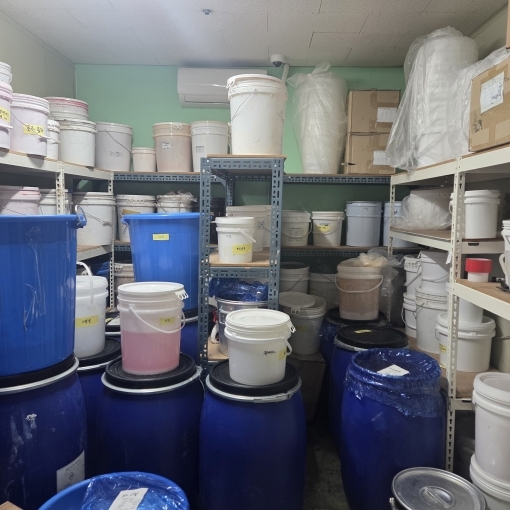
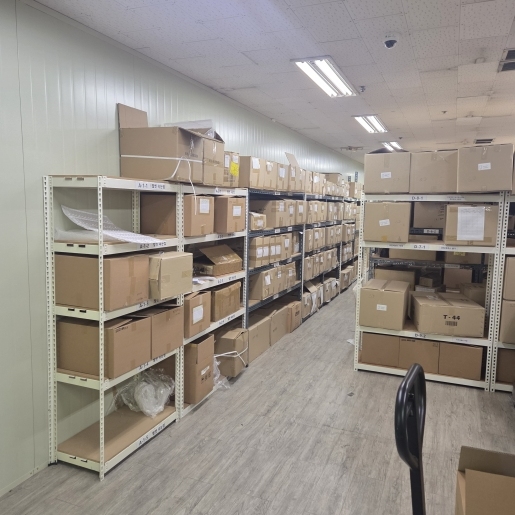
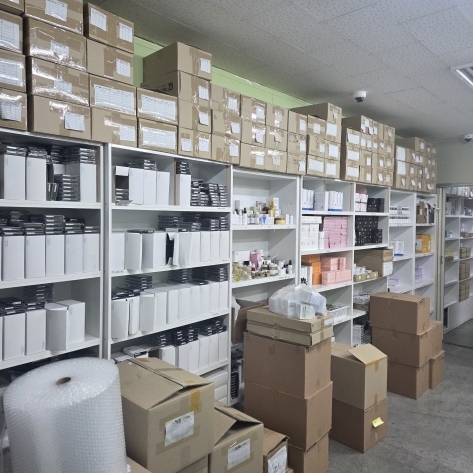
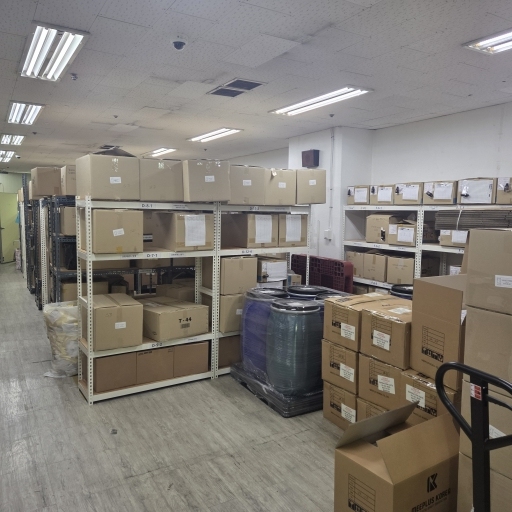
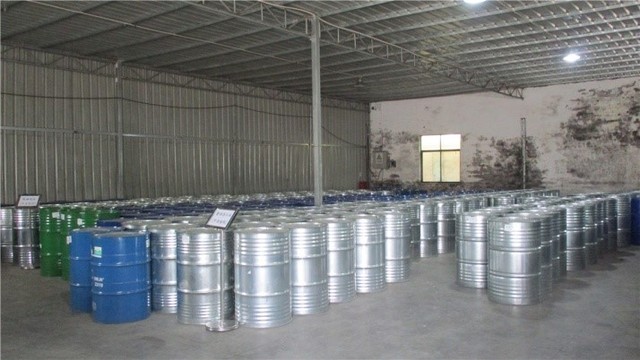
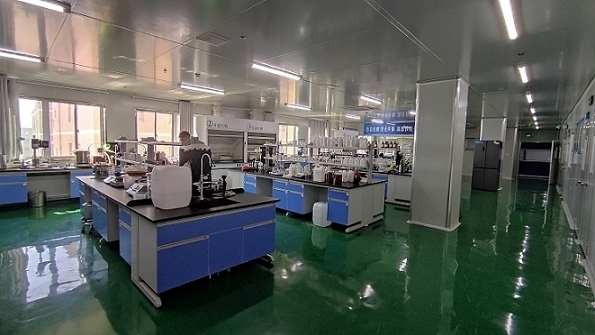
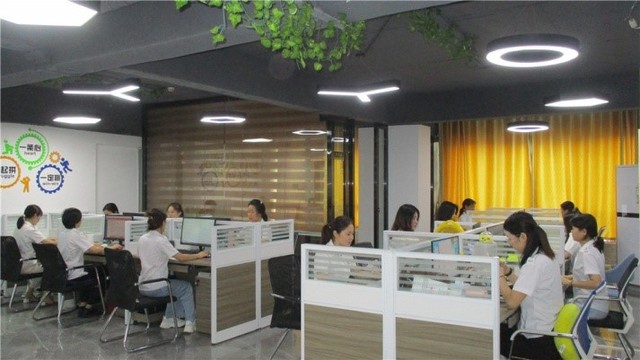
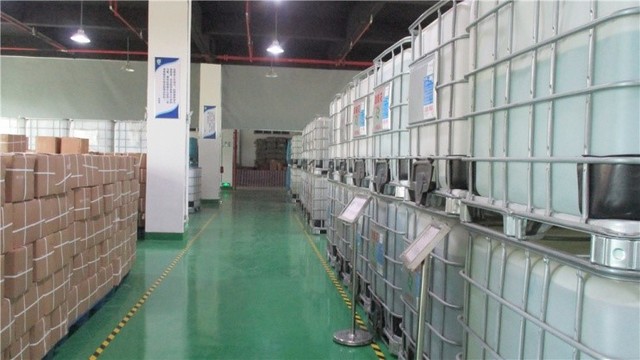
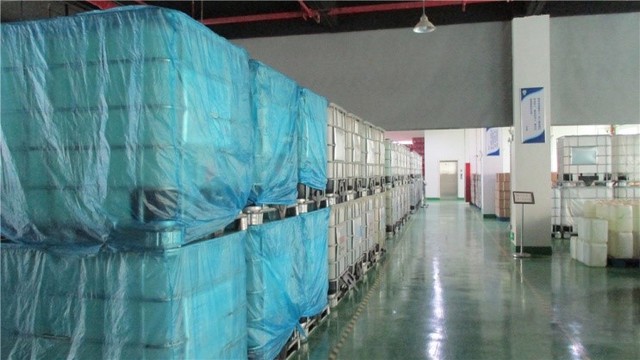
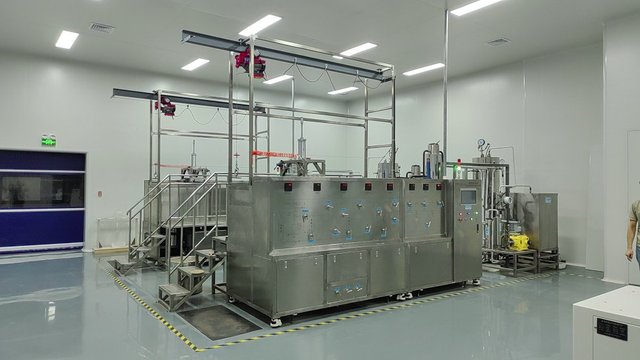
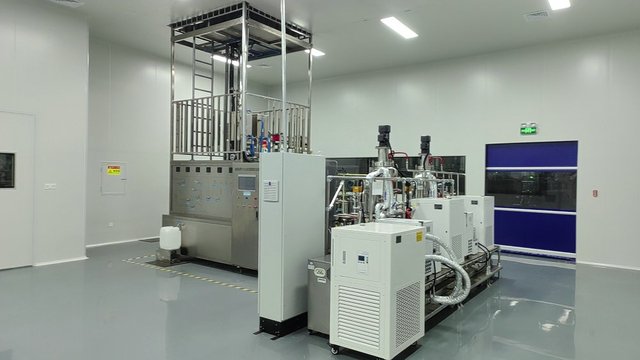

Navigating global regulatory barriers easily through comprehensive scientific dossiers and customized documentation.
Exporting chemical ingredients globally requires strict regulatory adherence. Spekciton Biology ensures that all custom mild surfactants and cosmetic ingredients comply with the legal frameworks of target jurisdictions:
Full registration and technical dossiers for the EU and UK markets, verifying ecological safety, chemical composition, and strict exposure scenarios.
Proper registration of ingredients under the US MoCRA guidelines and the China National Medical Products Administration (NMPA) raw material safety reporting platform.
Traceable manufacturing processes that avoid cross-contamination with non-halal or animal-derived agents, keeping documentation ready for third-party auditing.
Additionally, we supply complete Material Safety Data Sheets (MSDS), Certificates of Analysis (COA), and Technical Data Sheets (TDS) with every shipment, allowing for seamless custom clearance and compliance verification.
B2B technical and logistical inquiries regarding our mild surfactant OEM/ODM and export operations.
Amino acid surfactants (like Cocoyl Glutamic Acid) feature a polar head group consisting of an amino acid instead of a sulfate group. This matches the skin's native protein structure, leading to minimal protein swelling or denaturing in the stratum corneum. In contrast, SLS/SLES can damage the skin lipids and cause irritation. Amino acid surfactants are also rapidly biodegradable and non-toxic to aquatic life.
We supply custom-blended surfactant pre-mixes that include natural non-ionic rheology modifiers and glucamides. These pre-mixes allow formulators to adjust viscosity using temperature control and standard natural polymers (like xanthan gum, guar gum, or cellulose), avoiding the formulation challenges of raw amino acid surfactants.
For standard powder or liquid surfactant bases (such as Cocoyl Glutamic Acid Powder), our typical MOQ starts at 500 kg to 1 metric ton. For highly specialized active ingredients, peptides, or custom-synthesized botanical blends, we support pilot batches starting from 25 kg to 100 kg to assist with formulation testing and early market entry.
Yes. Our raw plant materials are sourced from sustainable agriculture. We utilize green extraction and enzymatic processes to meet COSMOS and ECOCERT natural index criteria. We provide complete documentation indicating the bio-based carbon index for each product batch.
Typical lead times for standard materials are 14 to 21 days from order confirmation to dispatch. For ocean shipping via Shanghai or Shenzhen ports, travel times range from 25 to 35 days. For European clients, we also leverage the Chengdu-Europe Railway Link, which reduces overland shipping times to approximately 15 to 18 days.
Yes. Because our mild surfactants operate cleanly in the skin-optimal pH range of 4.5 to 6.5, they maintain excellent compatibility with sensitive actives like Biotinoyl Tripeptide-1, Blue Copper Peptides, and botanical whitening agents. They do not hydrolyze or destabilize active cosmetic structures.
Explore our industrial range, including teeth whitening formulas, peptides, demulsifiers, and premium personal care solutions.
 Spekciton Biology