Fermentation Broth Clarification in Beer Brewery with Microfiltration Ultrafiltration Ceramic Membrane Filter
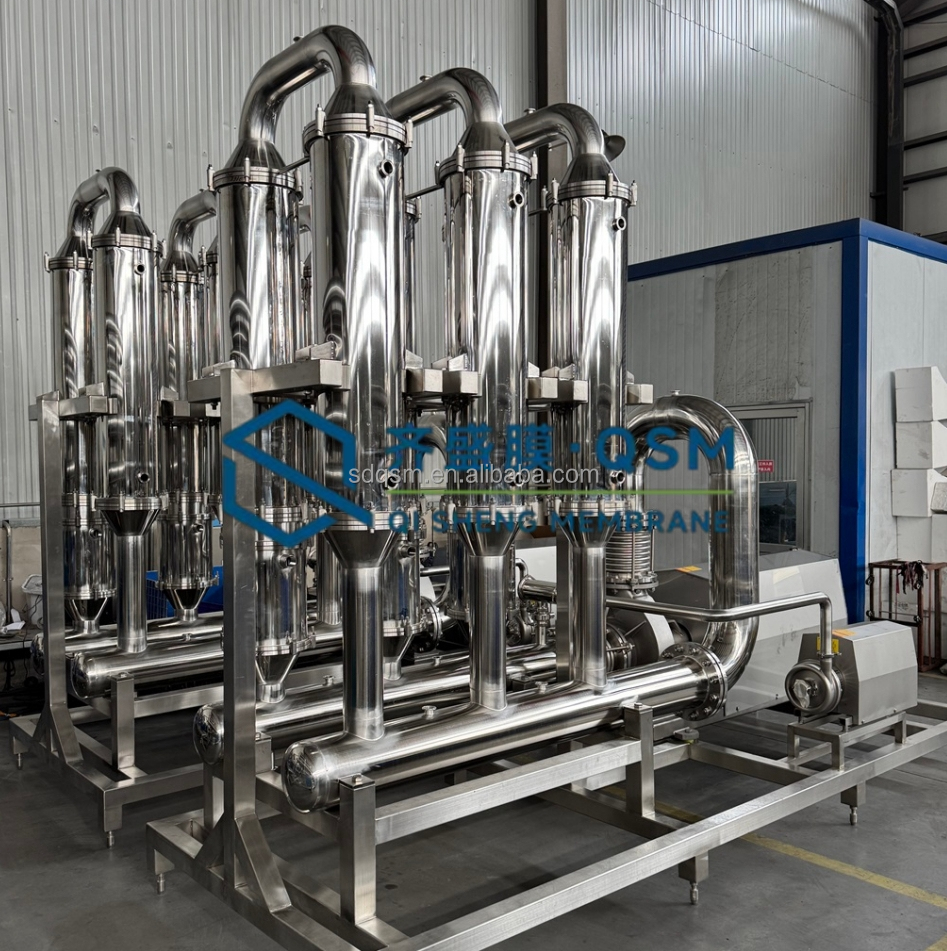
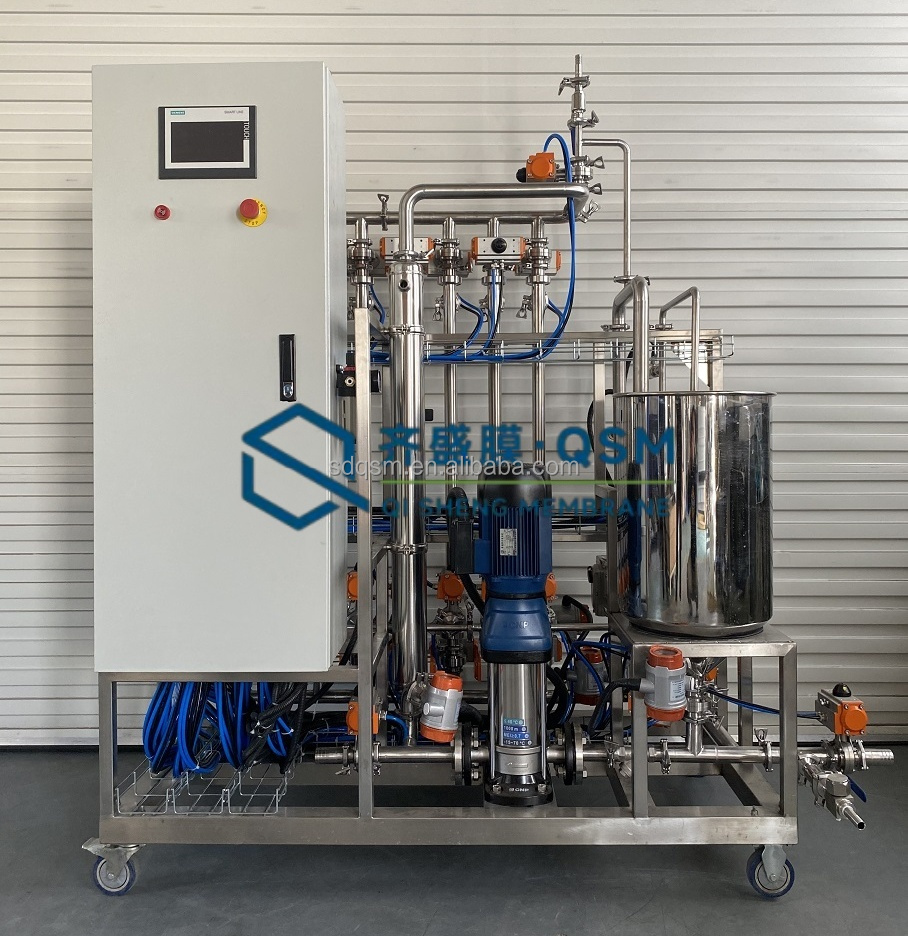
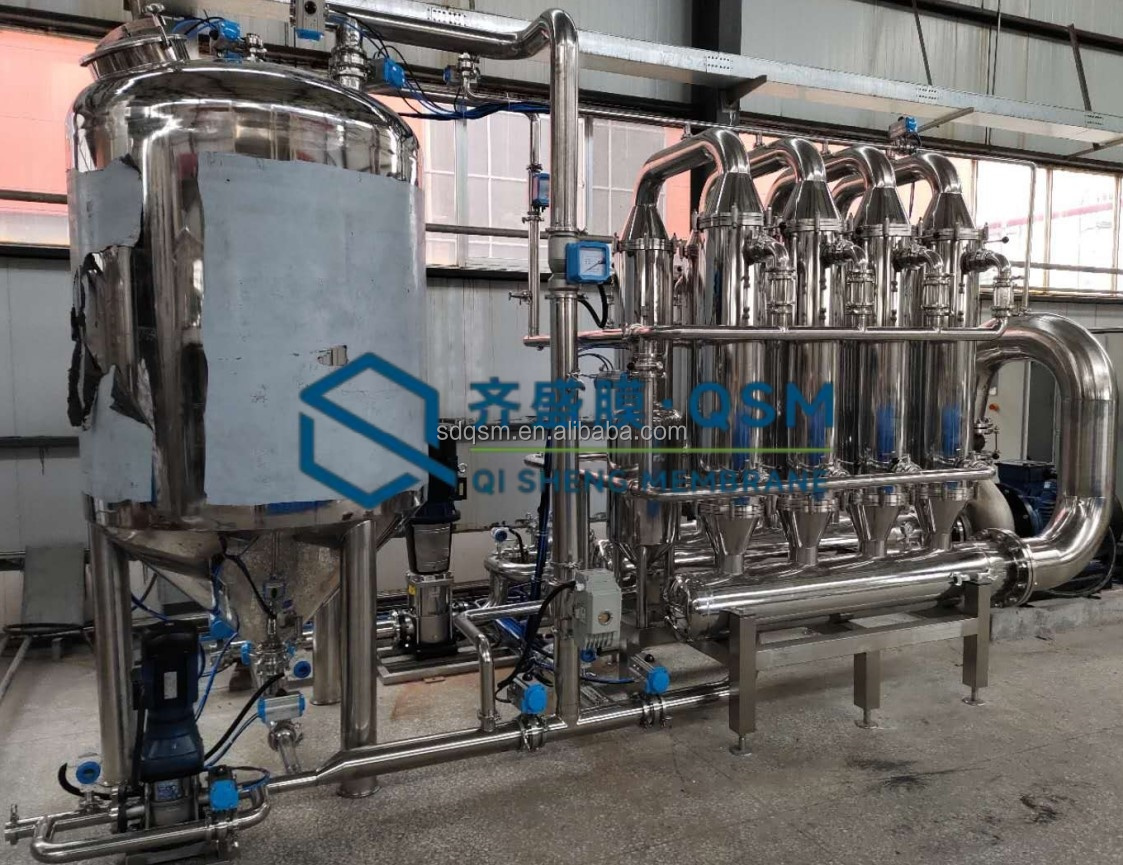
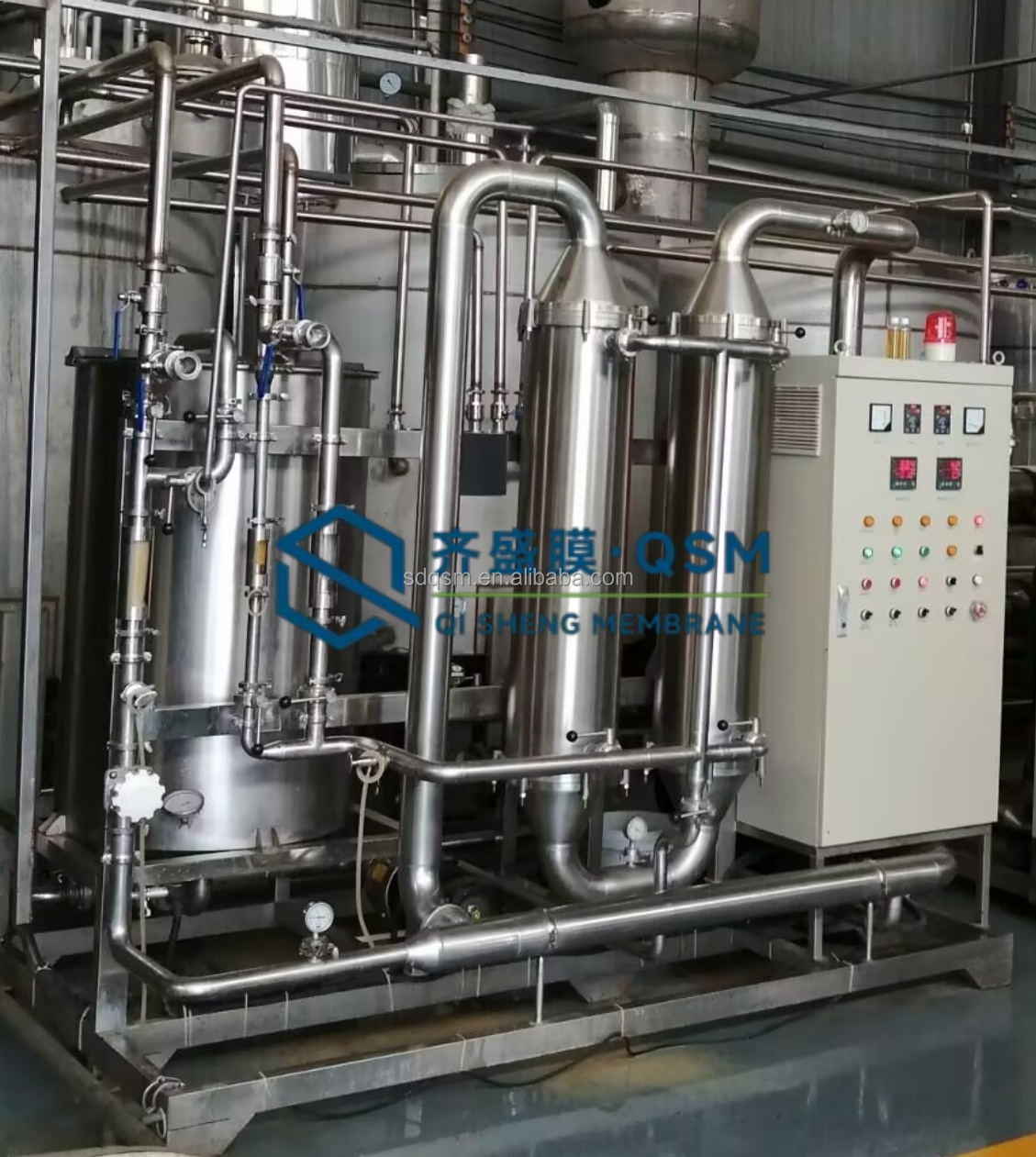
1Components of Filtration System
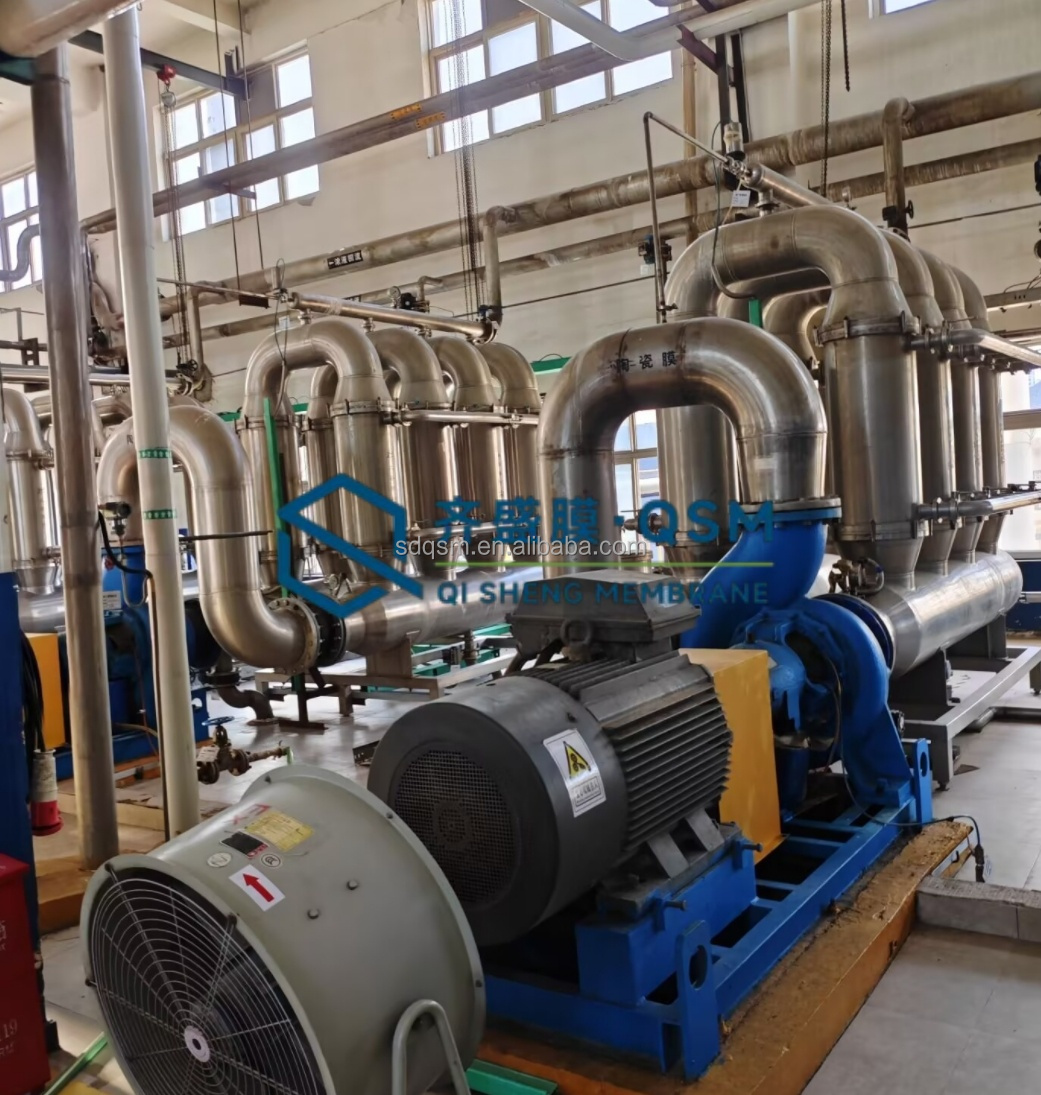
The filtration system is composed of the following high-performance components:
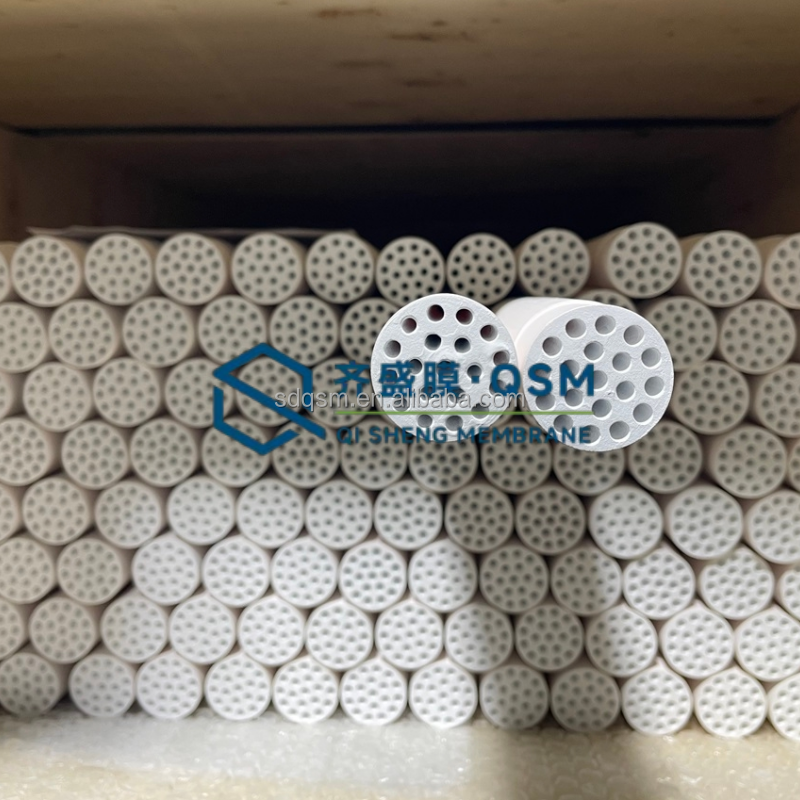
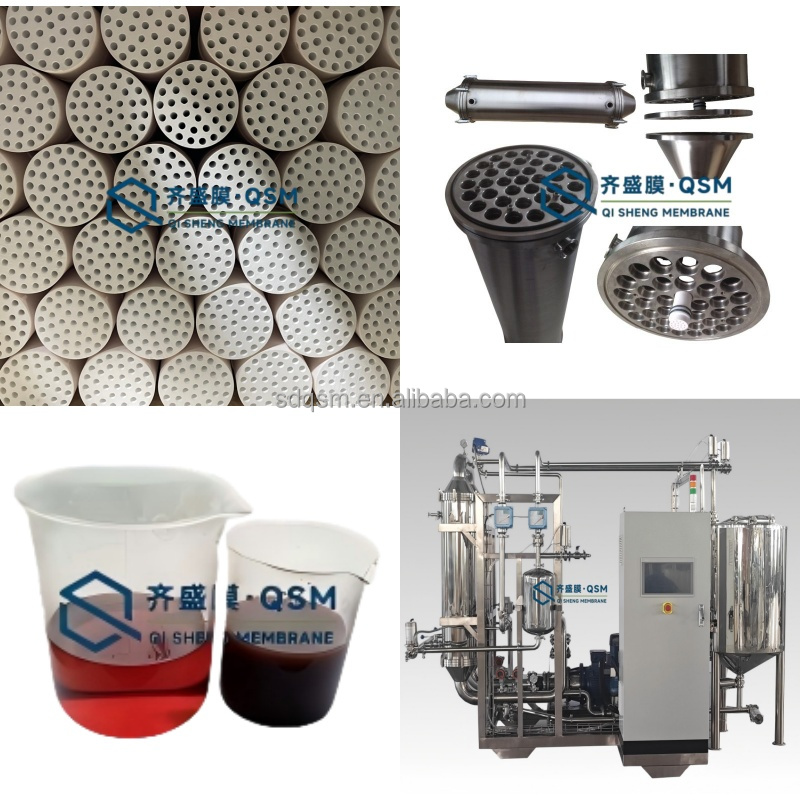
- Ceramic membrane module (ceramic membrane element in housing/vessel)
- Pumps and feed/circulation tank
- Instruments (flow, pressure, and temperature transmitters)
- Valves, piping, and support frame
- Integrated control system
Module Configuration
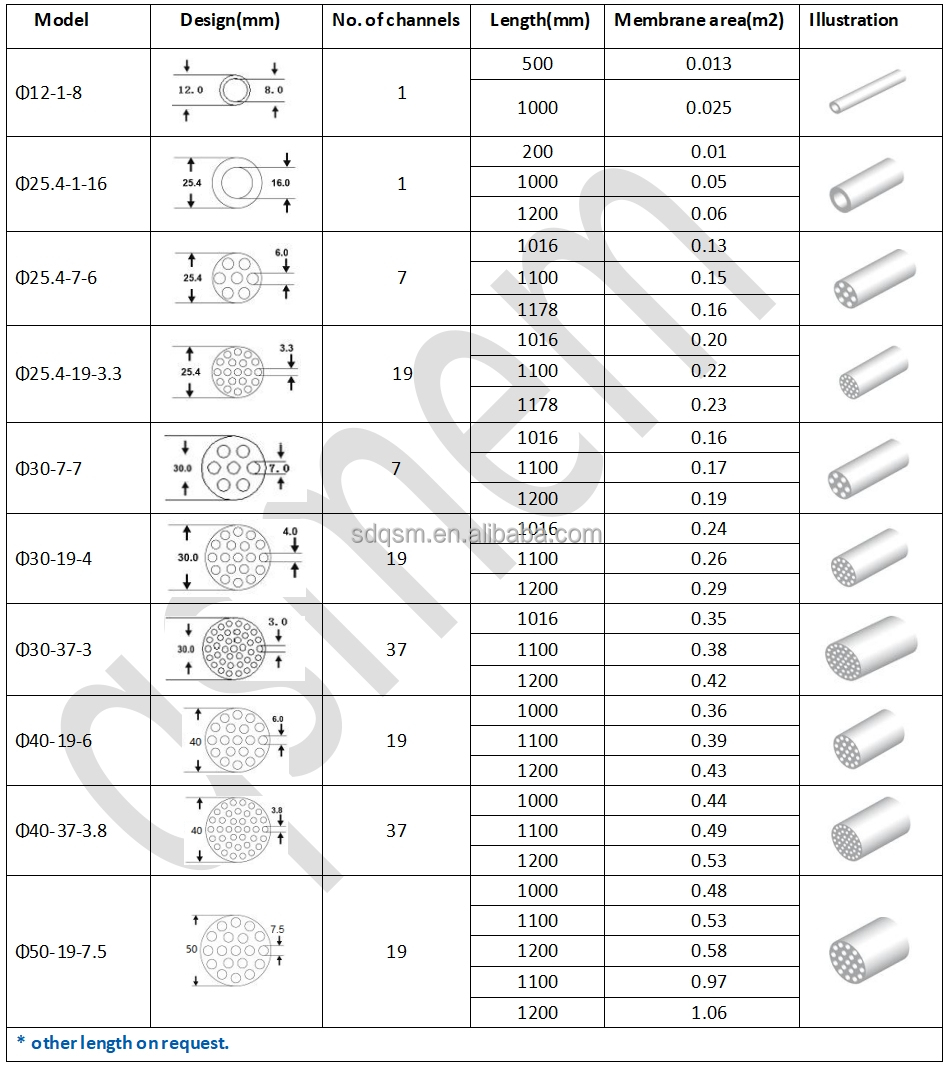
Available configurations (number of elements per housing): 1, 3, 7, 12, 19, 37, 61, 91, 138, 241...
Dimensions
Membrane Length: 100 - 1200 mm
Outer Diameter: 12 / 25 / 30 / 40 / 50 mm
Material Specifications
Body Material: SS304, SS316L, Titanium, FRPP, MSRL
Seals Material: EPDM, Fluororubber / VITON, Silicon
5Applications
These systems are designed for highly efficient filtration, clarification, purification, and concentration across various industries:
- Food and Beverage Industry: Milk microfiltration, yogurt concentration, vegetable oil clarification, protein concentration, and separation of soya bean protein; wine clarification, beer clarification, fruit juice clarification.
- Biochemical and Pharmaceutical Industries: Clarification and purification of fermentation products as well as purification or separation of product slurry.
- Environmental Applications: Water and wastewater treatment, oily water separation.
- Petro-Chemical Industry: Highly useful for various specialized filtration applications.
- Other Fields: Reclamation of nano powders, filtration of acid/alkali containing liquids.
Frequently Asked Questions (FAQ)
What are the main components of the ceramic membrane filtration system?
The filtration system is composed of a ceramic membrane module (housing and element), pumps, a feed/circulation tank, instruments (flow, pressure, and temperature transmitters), valves, piping, a control system, and a support frame.
What materials are used for the membrane elements and housings?
The membrane support is made of α-alumina, with membrane layers composed of Zirconia, Titania, or Alumina. Housing body materials include SS304, SS316L, Titanium, FRPP, and MSRL, using EPDM, Fluororubber/VITON, or Silicon seals.
Can these ceramic membrane filters handle steam sterilization?
Yes. All membrane designs are highly thermal-resistant and suitable for steam sterilization at temperatures ≥ 121°C (249.8°F). The general working temperature limit is up to 300°C.
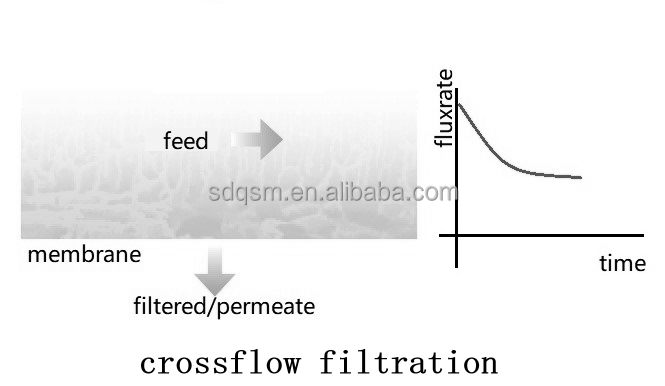
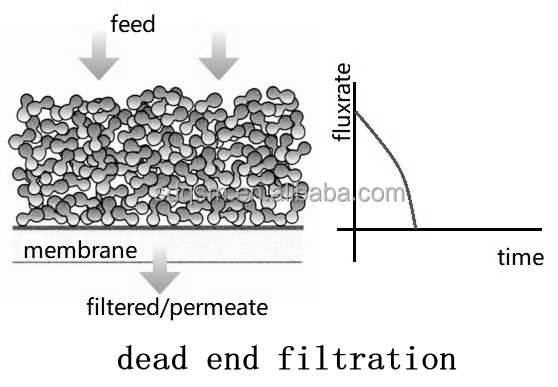
What is the advantage of using cross-flow filtration over dead-end filtration?
Cross-flow filtration continuously sweeps the membrane surface, which minimizes the accumulation of a filter cake on the membrane surface, ensuring stable permeate rates and longer filter lifetimes compared to dead-end filtration.
What are the typical operating pressure and pH ranges?
The system runs at a normal working pressure of 0.1 to 0.4 MPa, with a maximum pressure of 1.0 MPa and a burst pressure rating of ≥ 9.0 MPa. It is highly chemical-resistant, operating across a wide pH range of 1 to 14.
What applications are these membrane filters suitable for in the food and beverage industry?
They are ideal for filtration, clarification, and concentration of beer, wine, fruit juices, vegetable oils, milk microfiltration, yogurt concentration, and protein separation.
 Spekciton Biology