Spekciton Biology
1 / 5
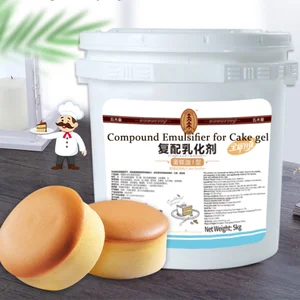
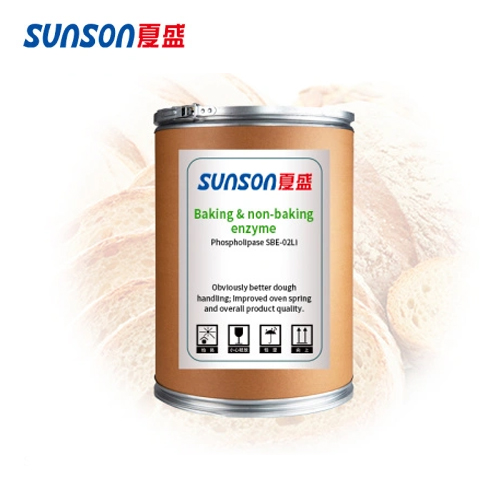
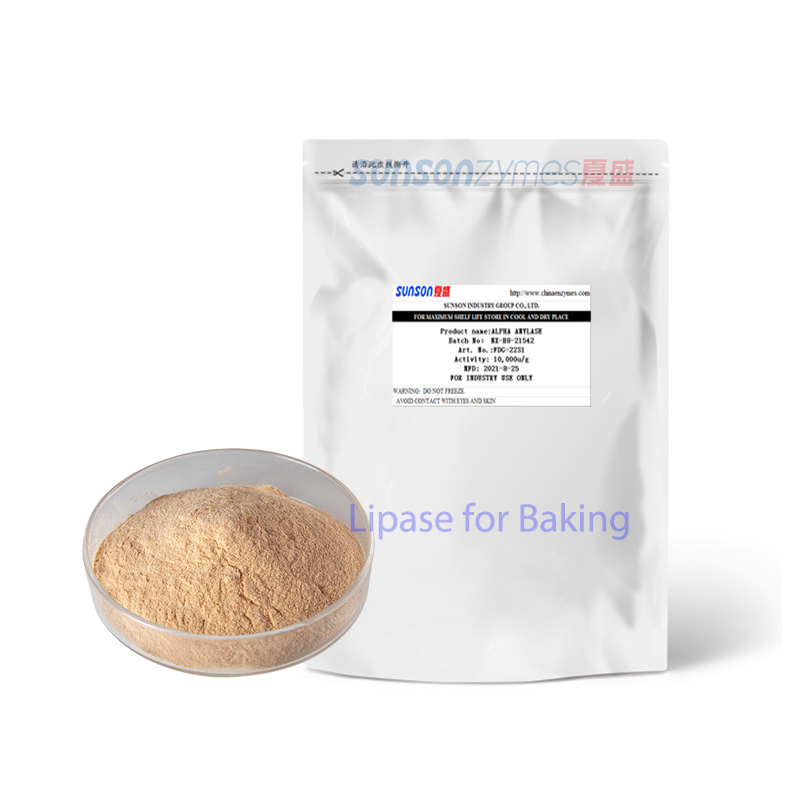
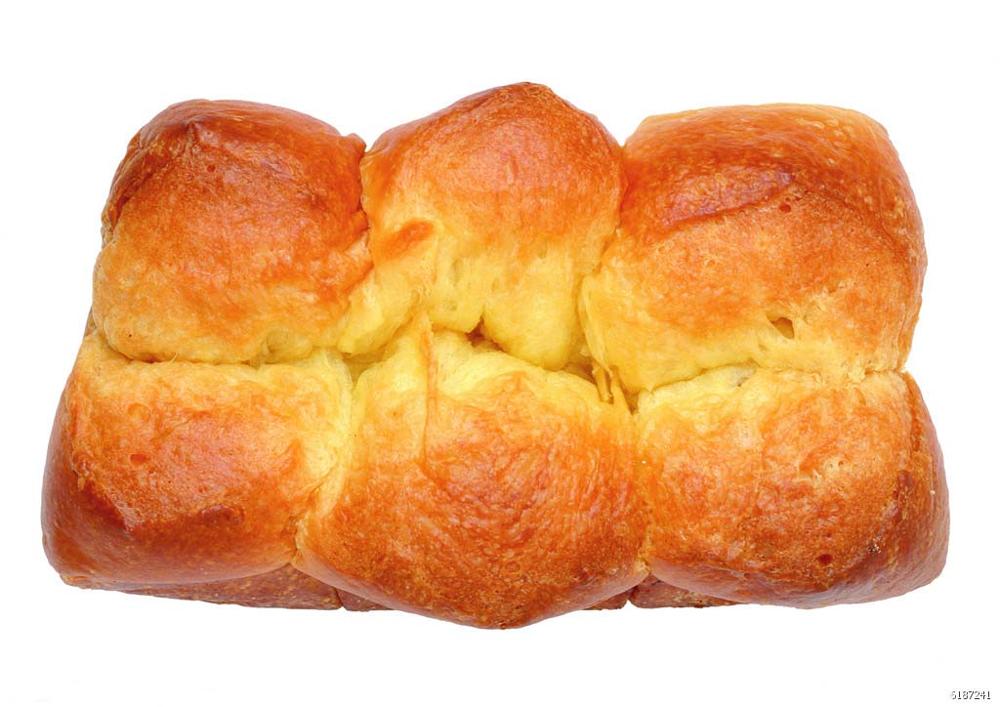
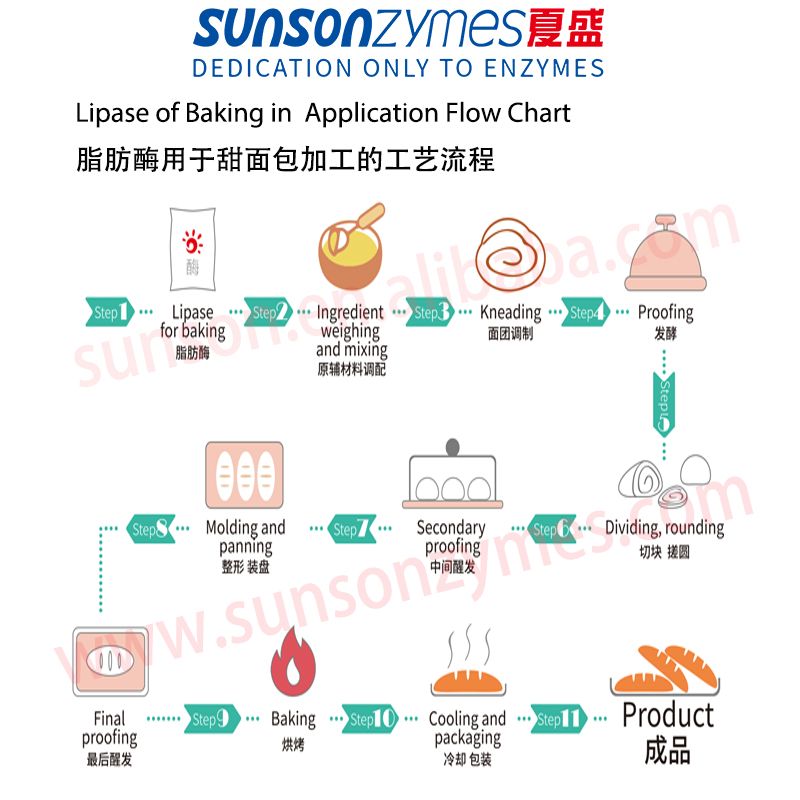
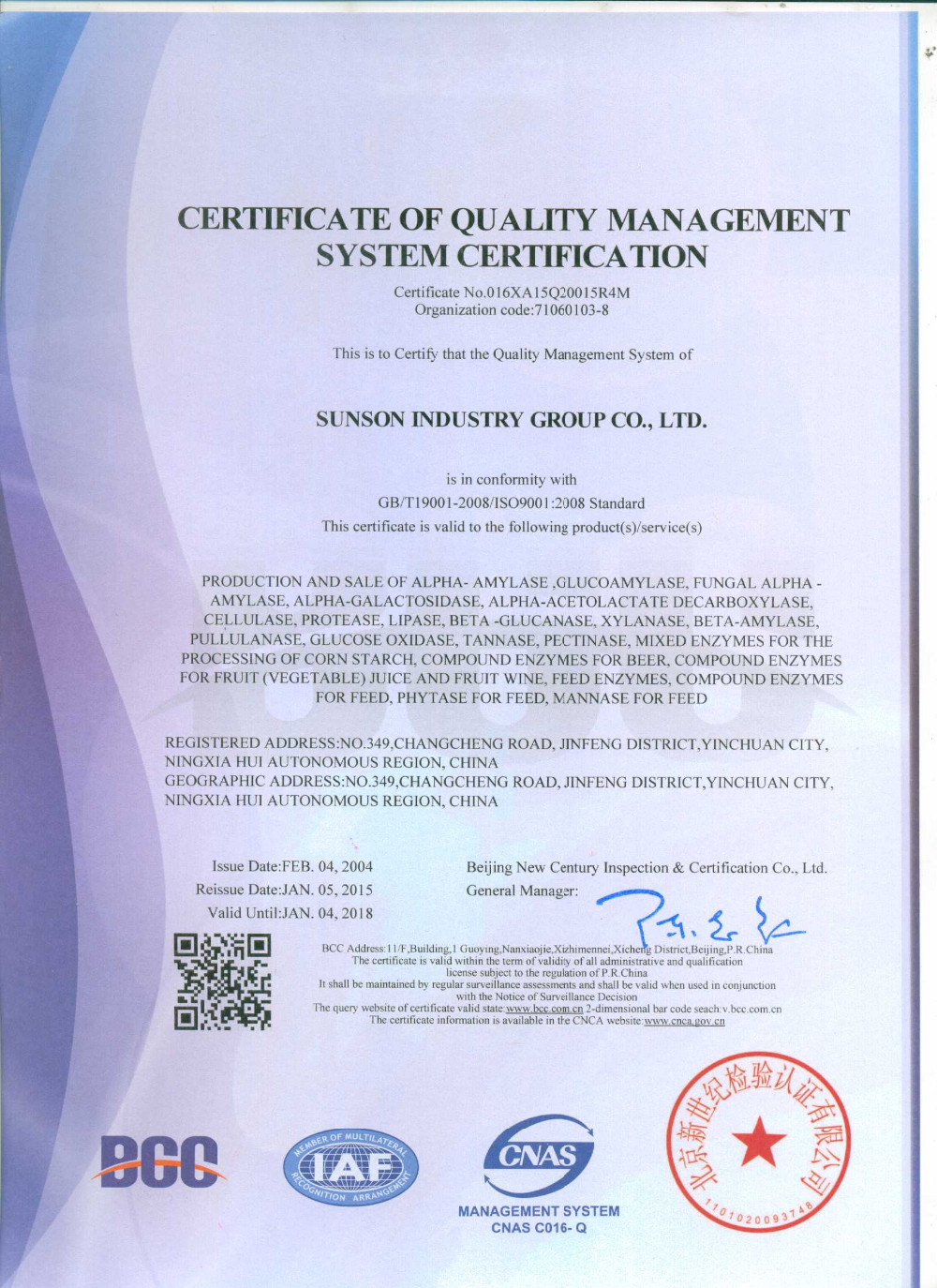
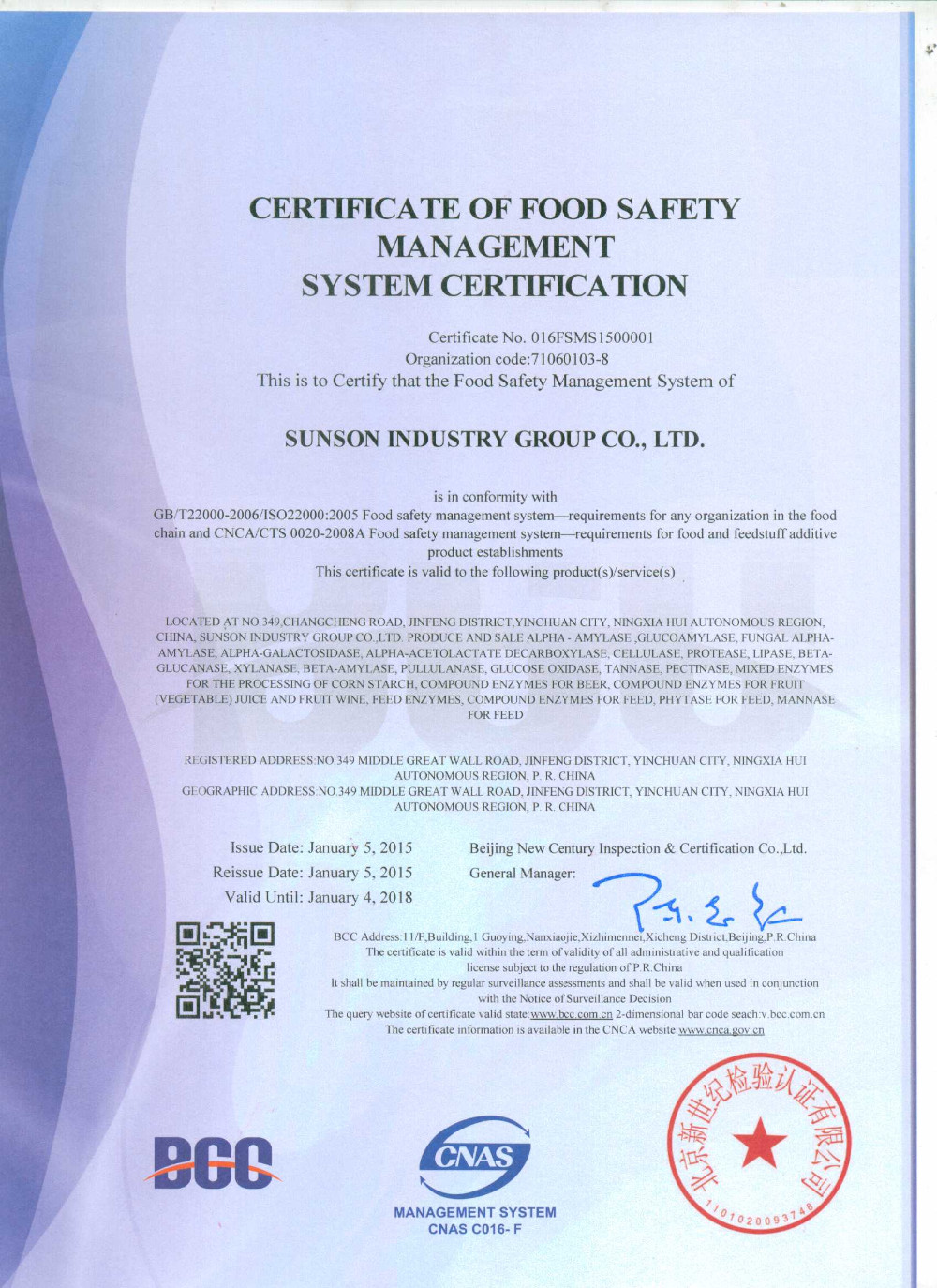
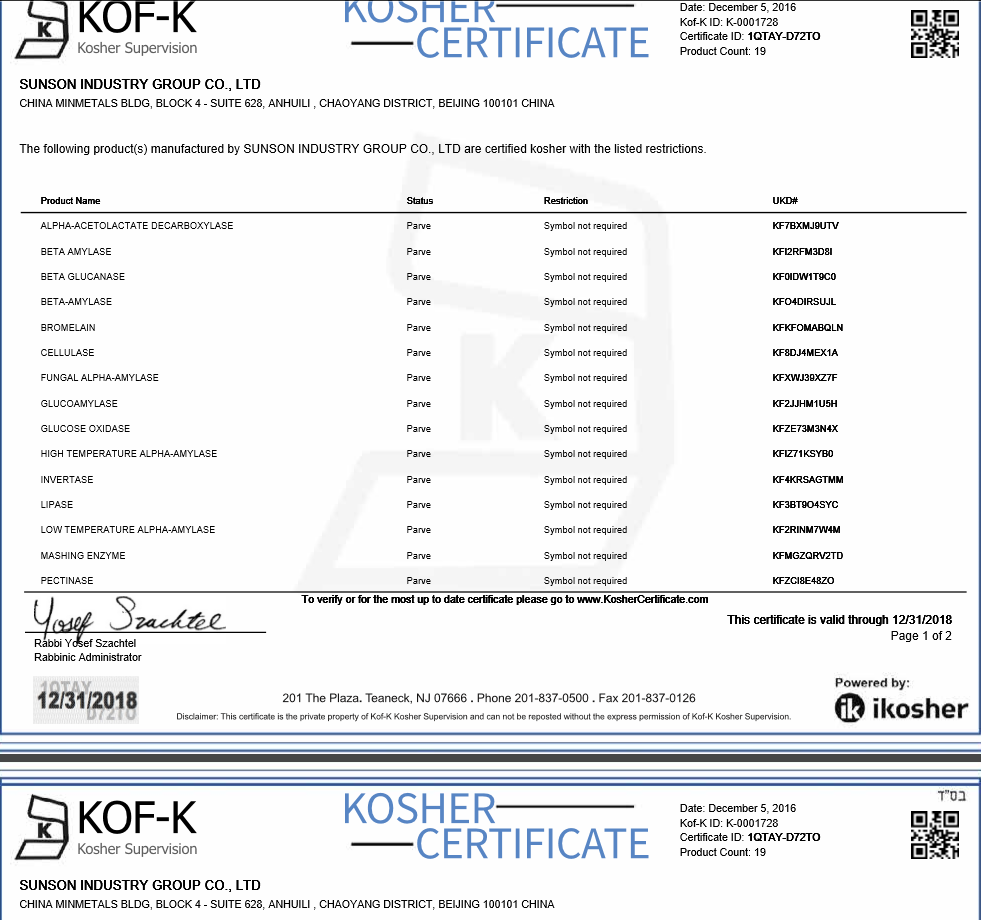
SBE-01Li is a lipase made from Aspergillus niger by submerged fermentation, separation and extraction technology. It is mainly used in flour and baking processing. It can maintain activity when used for Triglyceride, phospholipids, glycolipids. It can decrease or replace the use of emulsifiers.
| Parameter | Details |
|---|---|
| Declared Activity | 110000 u/g |
| Production Organism | Aspergillus niger |
| Physical Form | Powder |
| Color | Yellowish (Color can vary from batch to batch. Color intensity is not an indication of enzyme activity) |
| Odour | Normal microbial fermentation odour. |
| Items | Lower Limit | Upper Limit |
|---|---|---|
| Enzyme Activity | 110000 u/g | - |
| Lead | - | 5 mg/kg |
| Arsenic | - | 3 mg/kg |
| Total Viable Count | - | 50,000 CFU/g |
| Coliform Bacteria | - | 30 CFU/g |
| Escherichia coli | - | 10 CFU/g / 3 MPN/g |
| Salmonella | Not Detected/25g | - |
Lipase acting on triglycerides prevents binding of glutenin, enhancing dough gluten and muscle force. This improves rheological characteristics, dough strength, and quick oven expansion, making the bread structure fine, uniform, soft, and tasting better.
Lipase breaks down fat into fat-soluble pigment, facilitating access to oxygen. The subsequent pigment oxidation leads to a secondary brightening and whitening effect on the flour.
Hydrolyzed fat into monoacylglycerol combines with starch, delaying aging. In noodle and dough processing, it prevents amylose exudation, improves flavor, and reduces appearance of dark spots.
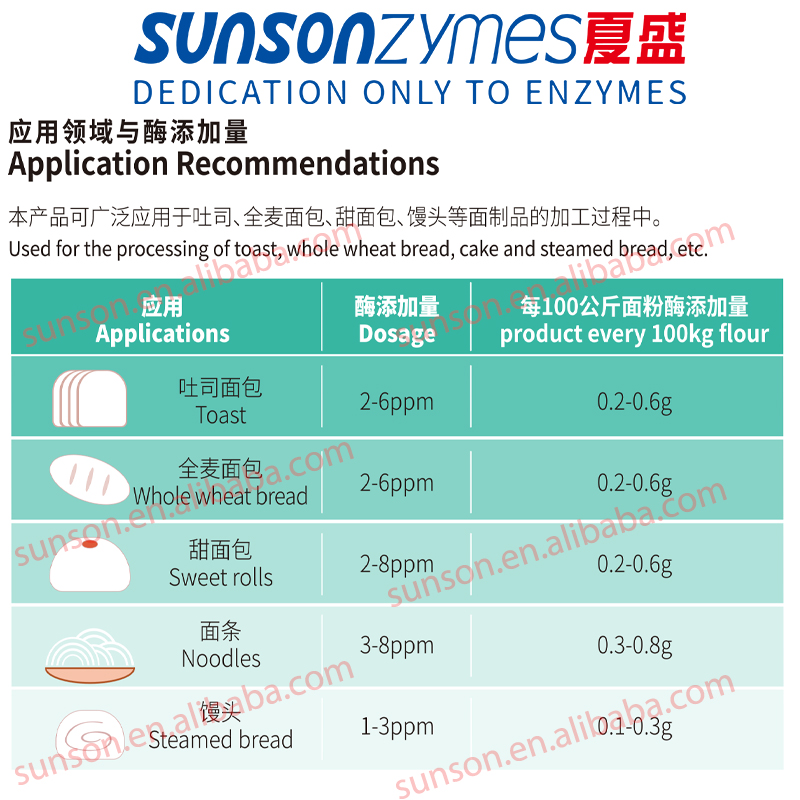
The recommended dosage is 1-20g per ton of flour. The optimal dosage depends on the quality of flour and the processing parameters and should be determined by test. It is better to begin the test from the smallest quantity.
| Item | Specifications |
|---|---|
| Packaging | 25kgs/drum; 1,125kgs/drum or as request. |
| Best Before | When stored as recommended, the product is best used within 12 months from date of delivery. |
| Shelf Life | 12 months at 25°C, activity remains ≥90%. Increase dosage after shelf life. |
| Storage Conditions | This product should be stored in a cool and dry place in a sealed container, avoiding insolation, high temperature and damp. Extended storage or adverse conditions such as higher temperature or higher humidity may lead to a higher dosage requirement. |
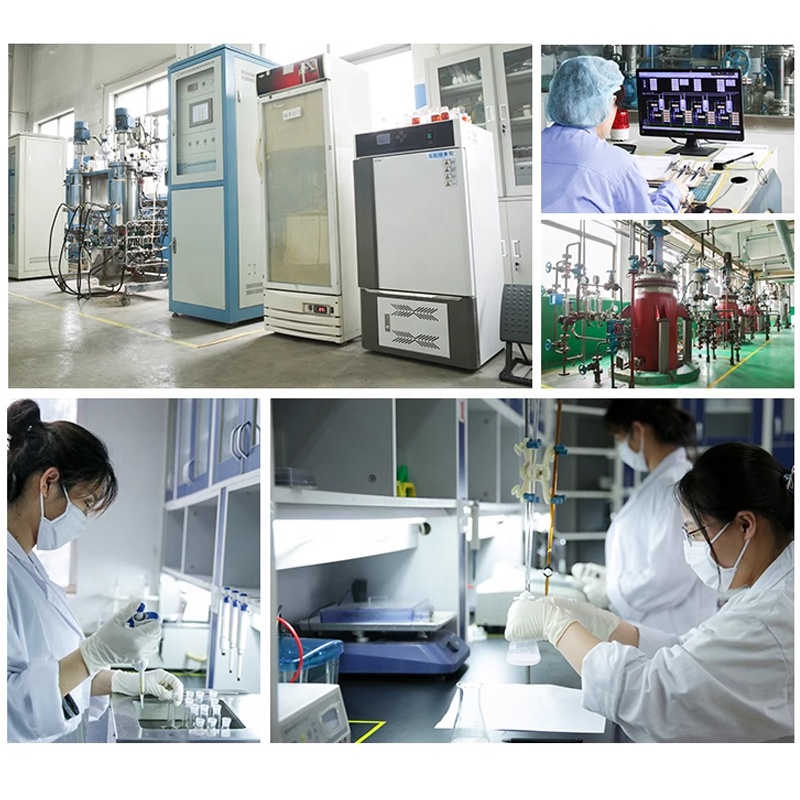


A1: The lipase enzyme is derived from Aspergillus niger through submerged fermentation, separation, and extraction technologies, ensuring high purity and stability for baking applications.
A2: Lipase acts on triglycerides to enhance the gluten network, increasing the dough's strength and elastic limit. This results in a uniform crumb structure, softer heart tissue, and overall improved taste and oven spring.
A3: Yes, by naturally modifying and generating lipid and starch composites in the dough, lipase can significantly decrease or entirely replace the usage of traditional chemical emulsifiers.
A4: The product has a shelf life of 12 months when stored at 25°C, retaining more than 90% of its activity. It must be kept in a cool, dry, and sealed container away from moisture, heat, and direct sunlight.
A5: The general recommendation is 1-20g per ton of flour. Because optimal dosage varies based on flour properties and process parameters, it is advised to start testing with the smallest dosage first.
A6: Yes, samples are available for evaluation and formula development to help you determine the optimal activity requirement for your specific baking needs.