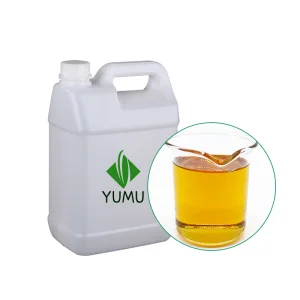
Selected high-performance surfactants, emulsifying waxes, and stabilizer bases engineered to perform under demanding formulation requirements.
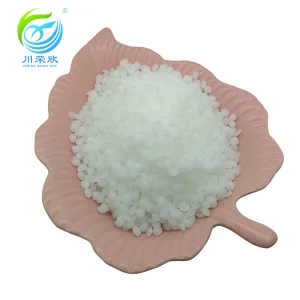
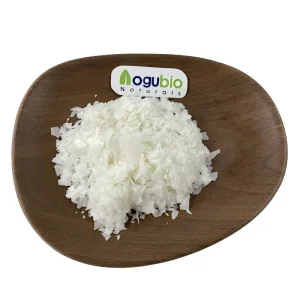
In modern industrial processing, emulsifiers represent the silent backbone of manufacturing stability. Structurally acting as surfactants containing both hydrophilic (water-loving) and lipophilic (fat-loving) domains, these functional compounds reduce interfacial tension, allowing immiscible fluids—such as oil and water—to form stable, homogeneous emulsions. From the global chemical perspectives down to local manufacturing plants in Lagos, Kano, Onitsha, and Port Harcourt, securing high-performing, pure, and compliant raw materials is critical to the longevity, safety, and marketability of retail consumer goods and heavy industrial applications.
Globally, the market for industrial and food-grade emulsifiers is witnessing a transition driven by cleaner labels, bio-based sustainability, and advanced polymer synthesis. Regulatory frameworks globally are pushing manufacturers away from toxic ethoxylated structures toward green chemistry alternatives. This evolution has profound implications for Nigeria. As Africa's most populous nation, Nigeria sits at the epicenter of a localized FMCG (Fast-Moving Consumer Goods) boom. According to macroeconomic projections, Nigeria’s domestic food, beauty, personal care, and petroleum processing industries are undergoing rapid modernization. In response to import substitution initiatives and local content policies, domestic brands are shifting from importing finished products to local formulation—surging the requirement for consistent, internationally compliant raw material inputs.
West Africa's ambient environment presents a harsh operational challenge for emulsions. The combination of high baseline temperatures (often exceeding 35°C in regions like Kano and Maiduguri) and high relative humidity (above 85% in coastal Lagos) accelerates phase separation, syneresis, and chemical degradation. Substandard emulsifying agents fail to maintain colloidal stability under these conditions, resulting in spoiled cosmetic creams, broken bakery batters, and separated coatings. Sourcing raw materials from a technologically advanced partner ensures that chemical inputs have the appropriate Hydrophilic-Lipophilic Balance (HLB) and thermal tolerances required to survive these logistic chains.
Nigeria’s manufacturing industry relies heavily on functional additives. However, local supply chains face severe bottlenecks, including currency fluctuations, unstable port logistics at Apapa and Tin Can Island, and uneven purity levels from secondary trading intermediaries. Understanding the vertical requirements for each major Nigerian sector is key to maximizing manufacturing productivity:
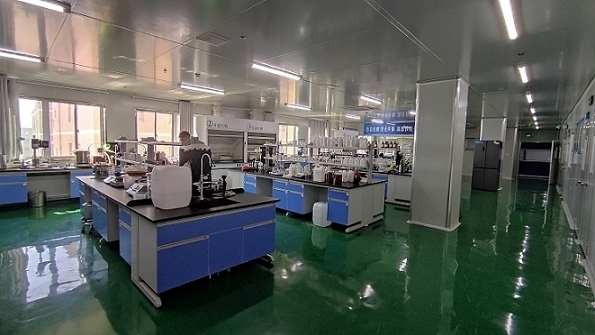
All imported materials undergo rigorous laboratory assays matching ISO 9001, Reach, Kosher, and Halal specifications, easing the NAFDAC registration process for Nigerian manufacturers.
Chemical structures optimized specifically to resist hot, humid storage conditions, preventing product phase separation over prolonged transit and retail shelf life.
Direct access to our Chinese formulating engineers for customized product development, optimizing HLB values, viscosity control, and cost-efficiency.
A comparative analytical guide for sourcing the correct chemical inputs for local Nigerian formulations.
| Ingredient Name | Primary Classification | Key Performance Metric (HLB / Active Matter) | Target Industry (Nigeria) | Typical Application Scenario |
|---|---|---|---|---|
| BTMS 50 / 80 | Cationic Surfactant / Emulsifier | Excellent Substantivity, >50% Active Cationic | Cosmetics (Hair Care) | Leave-in Conditioners, Hair Relaxers, Styling Creams |
| Olivem 1000 | Non-Ionic PEG-Free Wax | HLB 8 - 9 (Self-Emulsifying) | Cosmetics (Skincare) | Lightweight Natural Lotions, High-End Organic Face Creams |
| Sepigel 305 | Polymeric Thickener / Emulsifier | Functions across broad pH range (3 - 12) | Cosmetics & Gels | Cold-Process Emulsions, Gel-Creams, Body Lotions |
| Polysorbate 80 (Tween 80) | Non-Ionic O/W Emulsifier | HLB 15.0 | Food, Pharma & Personal Care | Flavor Solubilization, Bakery Aeration, Body Wash |
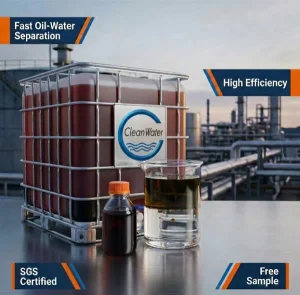
| Industrial Demulsifier | Alkoxylated Phenolic Resins | Phase separation efficiency >98% | Oil & Gas Upstream | Niger Delta Heavy Crude Dehydration & Wastewater Treatment |
| Acrylic Polymer Emulsion | Aqueous Copolymer Dispersion | Viscosity: 50-200 mPa.s (High solids) | Packaging & Laminating | BOPP/PET Film to paperboard lamination in hot factories |
A primary failure mode observed in imported cosmetics in Nigeria is the sweating of creams or the gritty recrystallization of lipid matrices. This occurs when local formulators purchase standard off-the-shelf formulas designed for European or Northern Chinese climates without adjusting the lipid-to-water ratio or the stabilizer concentration. For instance, when utilizing Olivem 1000 or BTMS 50 in Lagos, the oil phase must be carefully structured using non-comedogenic esters or cosmetic-grade base oils like Hydrogenated Polyisobutene to ensure the final product offers a light, breathable skin feel rather than a heavy, occlusive layer that blocks pores in highly humid environments.
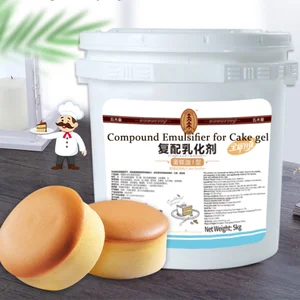
In the food sector, bakery companies in cities like Ibadan and Benin City are modernizing their processing steps. Emulsifiers such as Cake Gel Improvers allow bakers to incorporate more water and air into doughs while reducing the consumption of expensive fats. This is vital in keeping bread—a major Nigerian dietary staple—affordable and soft for days under room-temperature conditions. Our technical services department provides direct chemical adjustments to ensure these food additives maintain their activity under varying regional water hardness and local flour mill specifications.
Chengdu Spekciton Biology Co., Ltd. — Your Trusted Supplier of Bioactive & Functional Raw Materials
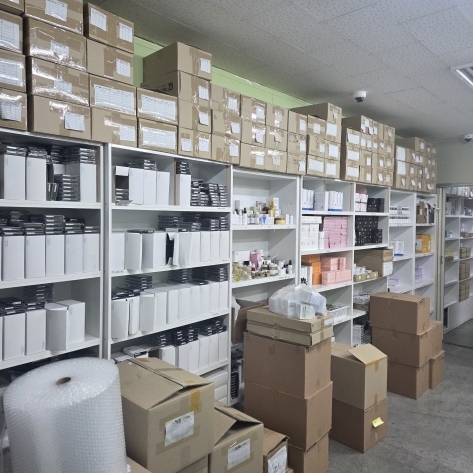
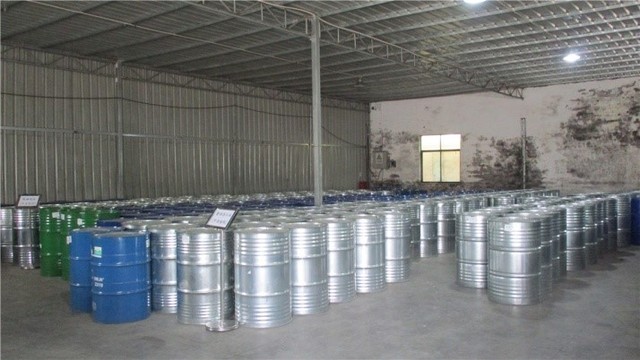
Chengdu Spekciton Biology Co., Ltd. is a professional China cosmetic ingredients manufacturer specializing in the research, development, production, and supply of high-quality personal care raw materials for skincare, haircare, and beauty applications. With a commitment to innovation, quality, and sustainability, the company provides comprehensive ingredient solutions to cosmetic brands, formulators, and manufacturers worldwide.
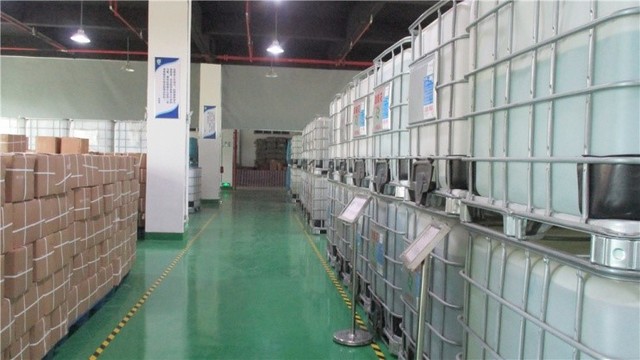
Backed by advanced research capabilities and modern production facilities, Chengdu Spekciton Biology offers a diverse portfolio of cosmetic ingredients, including active ingredients, botanical extracts, peptides, moisturizing agents, anti-aging ingredients, fermentation-derived ingredients, and other functional raw materials. These ingredients are widely used in skincare products, hair care formulations, color cosmetics, personal hygiene products, and clean beauty applications.
Innovation is at the core of the company's development strategy. Its experienced R&D team continuously explores new technologies and bioactive compounds to meet the evolving demands of the global beauty and personal care industry. The company also provides customized ingredient solutions to help customers optimize product performance, improve formulation efficiency, and accelerate product development.
Quality assurance is integrated into every stage of production. From raw material sourcing and manufacturing to final product testing, Chengdu Spekciton Biology implements strict quality control systems to ensure product consistency, purity, safety, and compliance with international standards.
With a customer-oriented approach, reliable supply capabilities, and strong technical support, Chengdu Spekciton Biology Co., Ltd. has established long-term partnerships with customers across global markets. The company remains dedicated to delivering innovative cosmetic ingredient solutions that empower brands to create safe, effective, and sustainable beauty products for consumers worldwide.



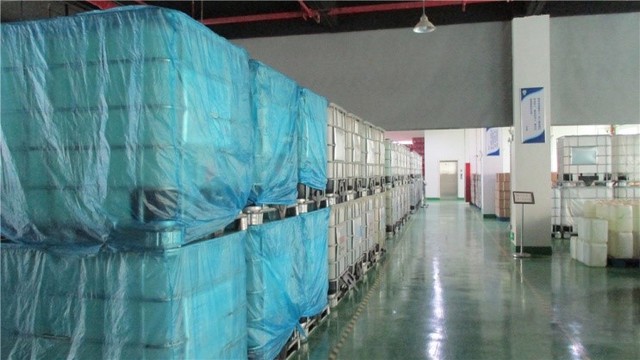
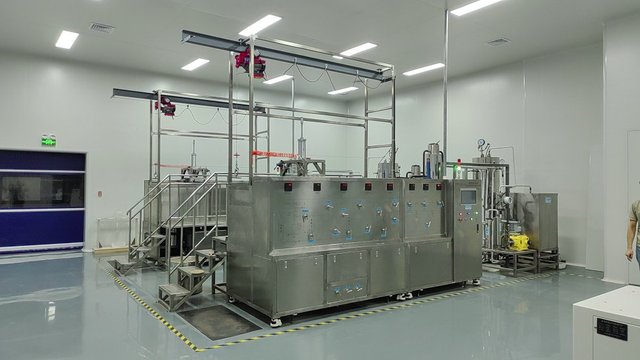
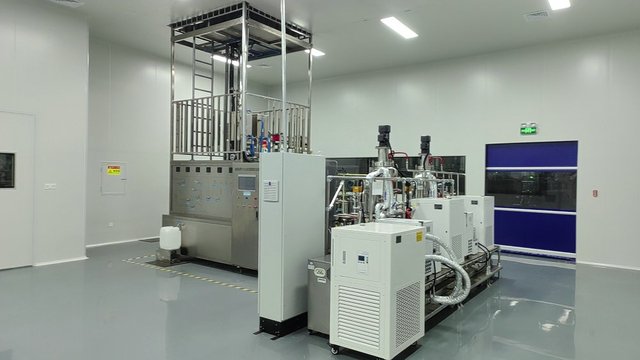
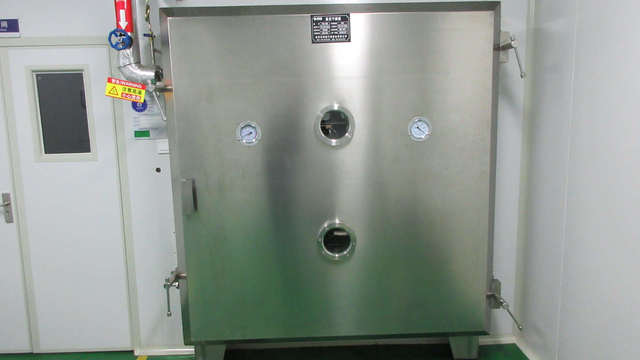
As regulatory scrutiny intensifies globally, the chemical industry is moving away from synthetic ethylene oxide-derived emulsifiers (such as traditional PEGs) toward bio-based, biodegradable surfactants. In West Africa, this trend aligns with the growing consumer preference for natural hair and skincare routines. Our R&D pipeline focuses on several cutting-edge technological directions:
Emulsifiers like Olivem 1000 recreate lipid structures that mimic the human skin barrier. In hot and dry northern states like Kaduna and Kano, these liquid crystal structures prevent trans-epidermal water loss (TEWL) better than petrolatum-based alternatives, offering high hydrating efficacy suitable for harsh harmattan conditions without triggering acne or excess grease buildup.
Given the frequent grid energy challenges and high cost of diesel for factory boilers in Nigeria, emulsifiers that function via cold processing—such as Sepigel 305—represent a massive operational cost-saver. These polymers require zero heating cycles; they hydrate instantly at ambient room temperature, allowing local manufacturers to cut energy consumption in their mixing tanks by up to 60%.
Modern food safety standards in West Africa are evolving. Traditional chemical dough strengtheners are being replaced by bio-enzymes and natural lecithin-based solutions. High-purity surfactants, including food-grade Polysorbate 80 and L-Lysine formulations, provide stable bubble sizes in bakery products and ice creams without leaving synthetic aftertastes, meeting local halal requirements and stringent NAFDAC quality tests.
Everything you need to know about purchasing, shipping, and formulating emulsifier ingredients for the Nigerian market.
Reliable food-grade, cosmetic-grade, and industrial-grade emulsifying agents built for high performance.
Partner directly with a certified global exporter to secure reliable, factory-direct pricing and technical formulation support for your manufacturing site in Nigeria.
Send Inquiry Now Spekciton Biology